ถ้ามีสิ่งหนึ่งที่อุตสาหกรรมสื่อชื่นชอบ นั่นก็คือคำย่อ
จดหมายถูกเผยแพร่อย่างแพร่หลายในแผนสื่อ การนำเสนอ และข่าวเผยแพร่ แต่เมื่อมีสื่อประเภทใหม่เกิดขึ้น รวมทั้งคำย่อที่ตามมา ความแตกต่างก็หายไปจากการผสมผสาน เมื่อพูดถึงสื่อออนไลน์ มักมีคำสามคำที่สับสนกัน
เราจะอธิบายความแตกต่างระหว่าง OTT, CTV และสตรีมมิ่ง วิธีการทำงานของการโฆษณาในแต่ละช่องทาง และเหตุใดจึงมีความสำคัญที่นักการตลาดต้องทำความเข้าใจมากกว่าที่เคย
OTT, CTV และสตรีมมิ่ง ถูกกำหนดไว้อย่างไร?
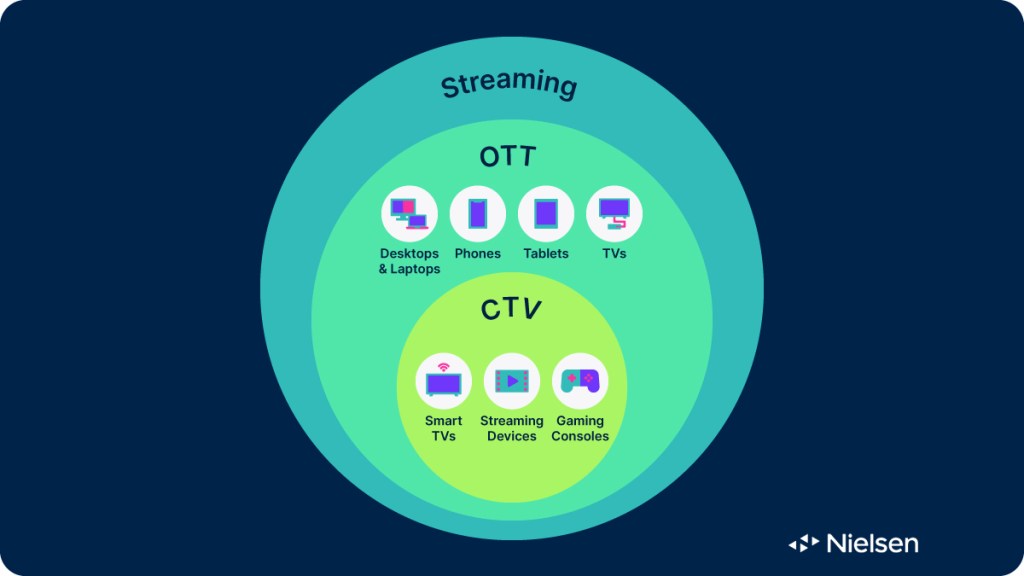
• Streaming — An umbrella term that describes audio and video content delivery to a user’s device through the internet. You can “stream” content across any device.
• Over-the-top (OTT) — The method of streaming content “over the top” of the internet across any device. OTT streaming requires a strong internet connection and a device that supports apps or browsers. OTT used to refer to only video content but now it’s expanded to include all the internet offers.
So, when you watch a rerun of เพื่อน on your TV via cable, you are not watching OTT. However, if you switch over to your Apple TV system, open the HBO Max app, and begin streaming Friends, then you are watching OTT. The difference has to do with how you’re accessing the content, rather than what the content is.
• Connected TV (CTV) — The method of streaming content from the internet on a television screen. A standard television can become a connected TV via a streaming device, like a Roku or Amazon Fire TV stick, or through a gaming console, like a PlayStation or Xbox. It can also come with internet connectivity built in, in which case it would be called a smart TV.
ความแตกต่างระหว่าง OTT และ CTV นั้นน่าสับสนเป็นอย่างยิ่ง ดังนั้นจึงควรเน้นย้ำอีกครั้งว่า CTV หมายถึงอุปกรณ์โทรทัศน์นั้นเอง
มีทีวีสตรีมมิ่งประเภทอื่น ๆ หรือไม่?
OTT และ CTV อยู่บนจุดสูงสุดของภูเขาน้ำแข็งที่เป็นตัวย่อของตัวเอง นั่นเป็นเพราะมีหมวดหมู่ย่อยหลายหมวดหมู่ที่นักการตลาดควรเข้าใจ
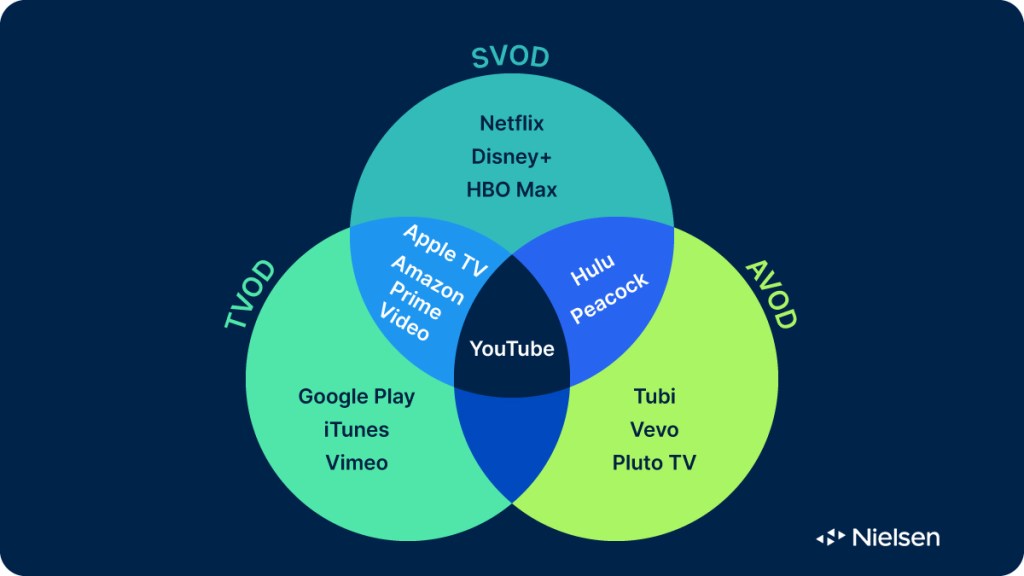
- Subscription Video On Demand (SVOD) — Audiences pay a monthly or yearly rate to access content, typically without ads. SVOD services include Netflix, Disney+ and HBO Max.
- Advertising-based Video On Demand (AVOD) — Audiences access AVOD content for free (or at a reduced rate) in exchange for watching ads. Many SVOD services now offer an AVOD tier. AVOD services include Tubi, VEVO, and PlutoTV.
- Transactional Video On Demand (TVOD) — Audiences access TVOD content on a pay-per-view basis. AVOD services include Google Play, iTunes and Vimeo.
Wait, there’s more! Streaming services are now making room for linear TV, too. Linear TV refers to scheduled programming that is accessed through a satellite or cable network. These services, in particular, are rising in popularity as viewers have to sift through more content and platform choices than ever.
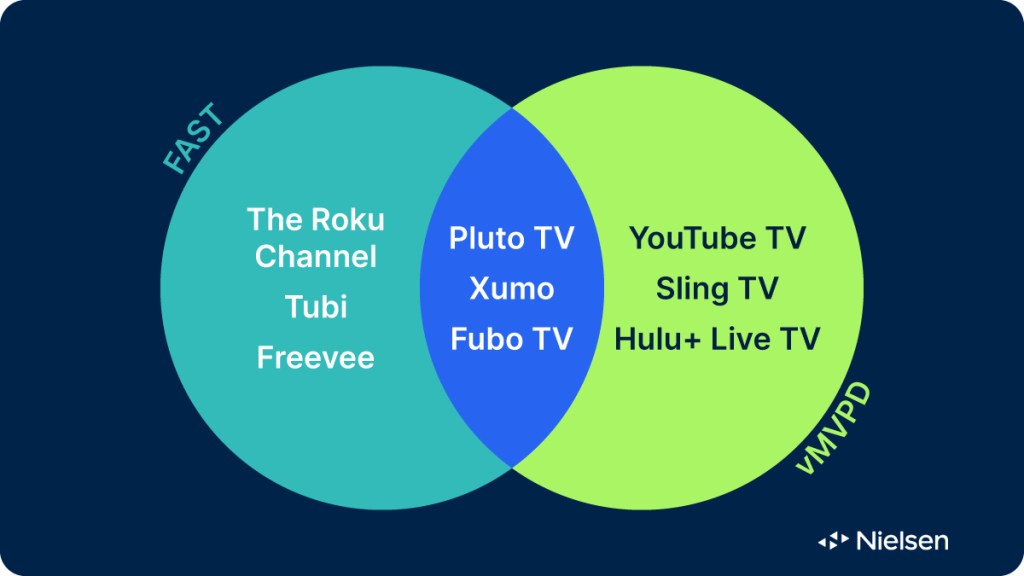
- Free Ad-supported Streaming Television (FAST) — An app, service or channel that streams scheduled programming—similar to a linear TV experience—through a connected device. FAST services include The Roku Channel, Tubi and Amazon Freevee.
- Virtual Multichannel Video Programming Distributors (vMVPD) — Services providers that bundle and deliver multiple channels to subscribers over the internet. vMVPD services include YouTube TV, Sling TV and Hulu + Live TV.
ประสบการณ์โฆษณาแตกต่างกันอย่างไรระหว่างอุปกรณ์ OTT และ CTV
Remember, when we talk about CTV, we’re always talking about the TV screen. OTT refers to CTV plus desktop, mobile and tablet streaming. So, naturally, that means CTV devices and all other OTT devices have both distinct and overlapping ad experiences.
ข้อดีของโฆษณาแบบสตรีมมิ่ง
- ความแม่นยำ: โฆษณาแบบสตรีมมิ่งสามารถเข้าถึงข้อมูลผู้ใช้โดยละเอียดซึ่งมีอยู่ในอุปกรณ์พกพา แท็บเล็ต และเดสก์ท็อปได้อย่างสม่ำเสมอ ช่วยให้กำหนดเป้าหมายได้ขั้นสูงขึ้น มีของเสียน้อยลง และเข้าใจประสิทธิภาพได้ดีขึ้น
- ค่าใช้จ่าย: หน้าจอที่เล็กกว่าและการมีส่วนร่วมที่น้อยกว่าหมายความว่าโฆษณา OTT มักจะมีราคาถูกกว่าการซื้อทีวีประเภทอื่น รวมถึง CTV
- การโต้ตอบ: ด้วยการดำเนินการของผู้ใช้ เพียงแค่คลิกหรือปัด ผู้ชมจะถูกนำไปยังเว็บไซต์หรือแอปของแบรนด์โดยตรง สร้างการเดินทางของผู้ใช้แบบขั้นตอนเดียวบนแพลตฟอร์มที่รองรับฟังก์ชันนี้
ข้อดีของโฆษณา CTV
- การว่าจ้าง: ต่างจากอุปกรณ์ OTT อื่นๆ โฆษณา CTV ส่วนใหญ่ไม่สามารถข้ามได้ และกลุ่มโฆษณามักจะสั้นกว่าโฆษณาบนทีวีทั่วไป และมีแนวโน้มที่จะทำให้ผู้ชมออกจากห้องน้อยลง
- ความยืดหยุ่น: การติดตามผู้ใช้รายบุคคลนั้นไม่ใช่เรื่องปกติ ซึ่งทำให้ต้องพึ่งพาข้อมูลครัวเรือนโดยรวมและเบาะแสบริบท แม้ว่าวิธีนี้จะมีความสามารถในการกำหนดเป้าหมายที่จำกัด แต่ก็ทำให้ CTV สามารถเติบโตได้ในโลกที่ไม่มีคุกกี้
- การรับชมร่วมกัน: โดยทั่วไปแล้วหน้าจอทีวีจะมีขนาดใหญ่กว่าอุปกรณ์ OTT อื่นๆ มาก หน้าจอที่ใหญ่กว่า โดยเฉพาะในพื้นที่ส่วนกลางรอบบ้าน จะสร้างสภาพแวดล้อมโฆษณาที่เอื้อต่อการรับชมแบบกลุ่มมากกว่าการรับชมแบบรายบุคคล
อุปสรรคโฆษณาสำหรับทั้งสอง
- ความโปร่งใส: ไม่ว่าจะซื้อโดยตรงจากผู้ให้บริการสตรีมมิ่ง ผ่านโปรแกรม หรือผ่านตัวแทนจำหน่าย นักโฆษณามักไม่สามารถเลือกหรือไม่ทราบว่าโฆษณาของตนจะเกี่ยวข้องกับเนื้อหาใด
- การแตกกระจาย: ในขณะที่การซื้อในระดับแพลตฟอร์มหรือโปรแกรมช่วยให้ควบคุมได้มากขึ้น แต่การซื้อในระดับนี้จะทำให้ชุดข้อมูลและวิธีการวัดผลมีจำนวนเพิ่มมากขึ้น หากไม่มีชุดตัวชี้วัดทั่วไป นักการตลาดก็จะไม่สามารถสรุปประสิทธิภาพโดยรวมได้
- การฉ้อโกง: ระบบนิเวศของการสตรีมมิ่งยังไม่มีมาตรฐานการวัด ID ผู้ใช้หรืออุปกรณ์ที่สอดคล้องกัน ทำให้เสี่ยงต่อกิจกรรมฉ้อโกง
ทั้ง CTV และช่อง OTT อื่นๆ ต่างก็มีจุดแข็งที่ชัดเจน แต่ผู้ทำการตลาดแทบไม่จำเป็นต้องเลือกข้างใดข้างหนึ่ง ทั้งสองช่องจะทำงานได้ดีที่สุดเมื่อทำงานร่วมกันเพื่อสร้างกลยุทธ์หลายช่องทางที่คำนึงถึงประสบการณ์การสตรีมเต็มรูปแบบของผู้ชม
อะไรเป็นแรงผลักดันให้การสตรีมมิ่งได้รับความนิยมมากขึ้น?
สิ่งที่เริ่มต้นจากช่องทางเฉพาะในภูมิทัศน์สื่อในช่วงต้นทศวรรษปี 2000 ได้เติบโตจนกลายเป็นรูปแบบการรับชมทีวีที่โดดเด่นในสหรัฐอเมริกา1 And streaming’s trend line isn’t likely to dip down anytime soon for a few reasons:
- Younger viewers (18-34) spend considerably more time with streaming2 than any other TV source
- ผู้เล่นสตรีมมิ่งรายใหญ่ เช่น Amazon Prime Video, Netflix และ Peacock กำลังลงทุนในรายการกีฬาและรายการถ่ายทอดสด ซึ่งเป็นปราการด่านสุดท้ายของรายการทีวีตามนัดหมาย
- FAST streaming channels offer a familiar linear viewing experience without having to choose when or what to watch after picking a channel.
สิ่งที่เริ่มต้นจากช่องทางเฉพาะในภูมิทัศน์สื่อในช่วงต้นทศวรรษปี 2000 ได้เติบโตจนกลายเป็นรูปแบบการรับชมทีวีที่โดดเด่นในสหรัฐอเมริกา
Growing CTV reach and usage is also supercharging the streaming boom. The reach of CTV devices in the U.S. has jumped to 75%, up from 58% at the start of 2020. Smart TVs, which often come pre-installed streaming apps, are nearing ubiquity3 in the U.S. And it’s not a U.S. only phenomenon. In Australia, 90%4 of the population 14 and older steam OTT content.
อะไรที่อาจขัดขวางการเติบโตของการสตรีม?
แม้ว่าตัวเลขจะพิสูจน์ได้ว่าการสตรีมยังคงสดใส แต่ก็อาจมีเมฆหมอกปกคลุมขอบฟ้า ผู้บริโภคเคยสมัครใช้บริการสตรีมมิ่งประมาณสามบริการ แต่เมื่อมีผู้เล่นรายใหม่เข้ามาและค่าใช้จ่ายรายเดือนก็เพิ่มขึ้น การสตรีมจึงเริ่มรู้สึกเหมือนเป็นเวอร์ชันเคเบิลที่ซับซ้อนและมีราคาแพงกว่า
ปัจจุบันแพลตฟอร์มหลักส่วนใหญ่มีระดับโฆษณาที่รองรับและราคาถูกกว่า ซึ่งมอบทางเลือกให้กับผู้ชมและโอกาสต่างๆ ให้กับผู้โฆษณา แต่การกำหนดเป้าหมาย การระบุแหล่งที่มา และการวัดผลแบบรวมจะขัดขวางศักยภาพสูงสุดของ CTV และ OTT ที่ Nielsen เราเชื่อว่าโซลูชันนี้คือการวัดผลในระดับบุคคลเพื่อระบุว่าใครกำลังรับชม พวกเขากำลังรับชมอะไร และพวกเขามีพฤติกรรมอย่างไรในโลกแห่งความเป็นจริง
สิ่งสำคัญอีกประการหนึ่งที่นักการตลาดสตรีมมิ่งจะต้องเผชิญในอีกไม่กี่ปีข้างหน้าคือกฎระเบียบด้านความเป็นส่วนตัวที่เปลี่ยนแปลงไป ช่องใหม่ทุกช่องต่างก็ได้สัมผัสกับช่วงเวลาแห่งการทดลองแบบสุดขั้ว แต่เมื่อ CTV เข้ามาครองส่วนแบ่งของการใช้จ่ายโฆษณาได้มากขึ้น การตรวจสอบการใช้งานข้อมูลก็จะตามมา
We have thoughts on how to solve for that, too. ข้อมูลขนาดใหญ่, validated by representative person-level panels, provides the most accurate view of an audience. It has the dual benefit of ensuring a privacy-safe solution for marketers across OTT and CTV channels.
อนาคตของทีวีจะเป็นอย่างไร?
ขณะนี้ โทรทัศน์ถูกมองผ่านช่องทางสองทาง ได้แก่ ช่องทางเชิงเส้นและสตรีมมิ่ง แต่เมื่อเราเริ่มเข้าสู่ยุคดิจิทัลของโทรทัศน์เกือบสมบูรณ์ เส้นแบ่งที่เคยชัดเจนเหล่านี้ก็เริ่มเลือนลางลงอย่างรวดเร็ว วิธีที่เราให้คำจำกัดความของคำศัพท์ต่างๆ เช่น OTT, CTV และแม้แต่โทรทัศน์อาจเปลี่ยนแปลงไป ช่องใหม่ๆ จะเพิ่มขึ้น พฤติกรรมต่างๆ จะเปลี่ยนไป
สิ่งที่จะไม่เปลี่ยนใจคือผู้ทำการตลาดต้องการทราบและไปที่ที่ผู้ชมอยู่ และเพื่อทำเช่นนั้น อุตสาหกรรมจะต้องมีการวัดผลและตัวชี้วัดที่เชื่อถือได้ซึ่งใช้ได้ทุกที่ที่ผู้ชมพบ ไม่ว่าจะเป็นวันนี้หรือพรุ่งนี้
Nielsen’s Need to Know reviews the fundamentals of audience measurement and demystifies the media industry’s hottest topics. Read every article here.
Notes
1As of November 2023, streaming (whether from digital-first or legacy TV companies) accounted for nearly 40% of total TV minutes according to Nielsen’s The Gauge.
260% of time spent with TV is on streaming for audiences 18-34 according to Nielsen’s 2024 Upfronts/NewFronts Planning Guide.
3As of 2023, Smart TV penetration is 70.6% among U.S. TV homes according to Nielsen’s National TV Panel
42023 S08 National Survey, September-October