เมื่อเราเข้าใกล้วันคนพิการสากลในวันที่ 3 ธันวาคม แบรนด์ ผู้โฆษณา และแพลตฟอร์มสื่อจะต้องเผชิญกับการเปลี่ยนแปลงของภูมิทัศน์ในการทำการตลาดที่หลากหลาย ด้วยพลวัตทางการเมือง เศรษฐกิจ และสังคมที่เปลี่ยนแปลงไป การทำความเข้าใจกลุ่มเป้าหมาย รวมถึงคนพิการ จำเป็นต้องอาศัยความแม่นยำและความละเอียดอ่อน โดยเฉพาะอย่างยิ่งเมื่อพิจารณาถึงอัตลักษณ์ที่เชื่อมโยงกันที่บุคคลจำนวนมากมี ลองมาตรวจสอบความคาดหวัง ความต้องการ และศักยภาพทางเศรษฐกิจของกลุ่มที่มักถูกมองข้ามนี้ โดยเน้นที่โอกาสเชิงกลยุทธ์สำหรับแบรนด์ต่างๆ ในการก้าวเข้ามามีส่วนร่วมอย่างแท้จริงและเชื่อมโยงกัน
การนำทางภูมิทัศน์ใหม่ในการตลาดที่หลากหลาย
การเลือกตั้งสหรัฐฯ เมื่อไม่นานนี้เน้นย้ำถึงความจริงที่เพิ่มมากขึ้น: การเชื่อมต่อกับผู้ชมหมายถึงการมองให้ไกลกว่าข้อมูลประชากรระดับผิวเผินเพื่อทำความเข้าใจอัตลักษณ์ที่ซับซ้อนและเชื่อมโยงกัน คนพิการไม่เพียงแต่มีมุมมองที่เป็นเอกลักษณ์เท่านั้น แต่ยังเชื่อมโยงกับกลุ่มอื่นๆ อีกด้วย รวมถึงเชื้อชาติ เพศ รสนิยมทางเพศ และภูมิหลังทางเศรษฐกิจและสังคมที่แตกต่างกัน ตัวอย่างเช่น ชาวละตินอายุน้อยที่มีความพิการทางร่างกายอาจมีความชอบสื่อและพฤติกรรมการซื้อที่แตกต่างไปจากทหารผ่านศึกผิวขาวอายุมากที่มีความพิการทางการได้ยิน
แบรนด์ที่สามารถใช้ประโยชน์จากข้อมูลที่แม่นยำและหลากหลายมิติเพื่อเชื่อมต่อกับประสบการณ์ที่หลากหลายเหล่านี้จะอยู่ในตำแหน่งที่ดีในการสร้างความสัมพันธ์ที่มีความหมาย
การเป็นตัวแทนมีความสำคัญมากกว่าที่เคย
Gaps in disability representation remain stark, especially when intersectionality is considered. Overall, disabled individuals make up 26% of the U.S. population, but represented only 5.9% of the time on TV screens in 2024—down from 6.8%1 last year. This disparity is even more pronounced with intersectional identities who belong to multiple marginalized groups; for example, people of color with any disability is represented 1.6% on TV in Q1 – Q3 20242.
สัดส่วนการนำเสนอทางโทรทัศน์เทียบกับจำนวนประชากร
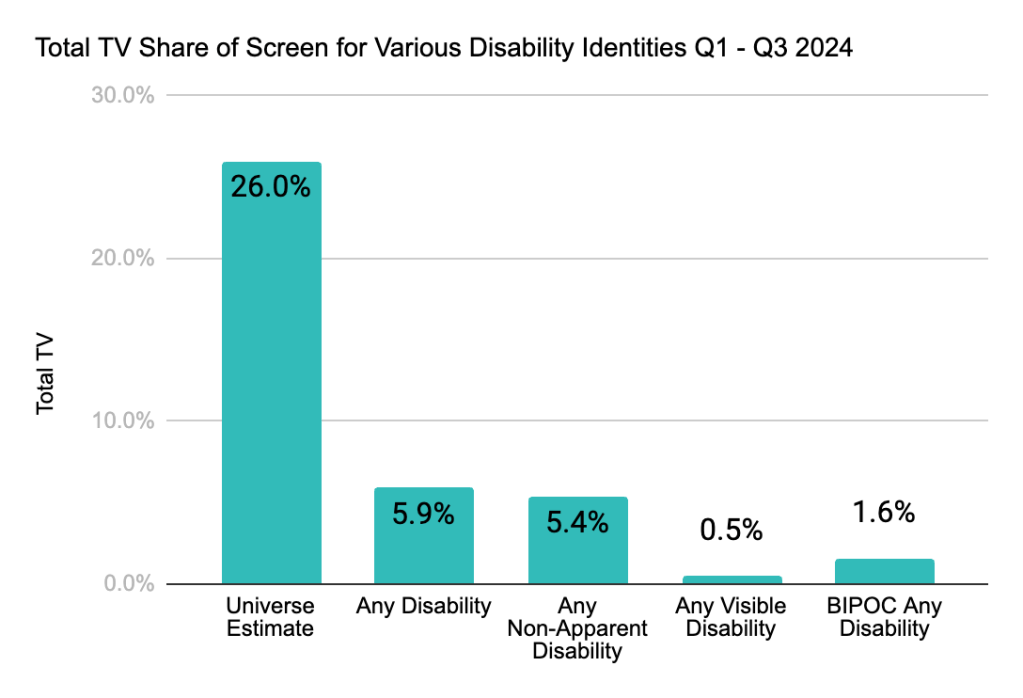
Source: Gracenote Inclusion Analytics, Q1 – Q3 2024
ลิขสิทธิ์ ©2024 บริษัท Nielsen (สหรัฐอเมริกา), LLC. สงวนลิขสิทธิ์
ความต้องการความถูกต้องและความเกี่ยวข้อง
Authenticity has become non-negotiable. Among people with disabilities, 52%3 wish for more representation of their identity group on television, with 50% feeling their identity is often misrepresented. This sentiment is even stronger among those who hold multiple marginalized identities—for example, 60% of Black women with disabilities report feeling misrepresented.
This is even more pronounced for people with mental health disabilities, where 54% report feeling misrepresented. Audiences are more likely to disengage from brands that fall short—61% say they would stop purchasing from brands that don’t respect their community. Misrepresentation doesn’t just alienate viewers; it can have tangible economic consequences for brands.
คนพิการจะหยุดซื้อสินค้าจากแบรนด์ที่ไม่เห็นคุณค่าของพวกเขา
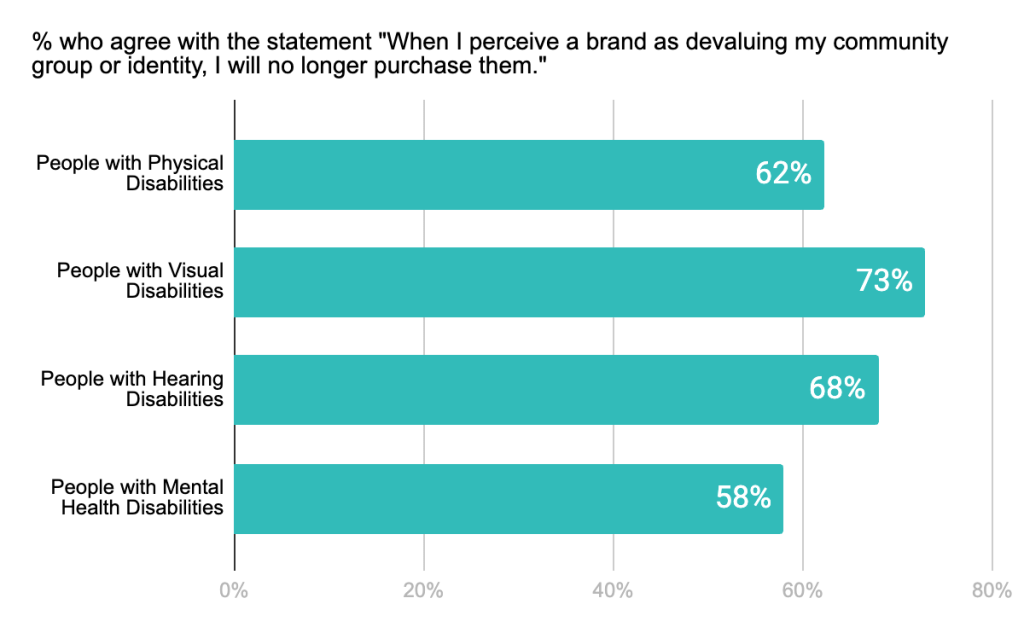
ที่มา: แบบสำรวจทัศนคติต่อการเป็นตัวแทน ปี 2566
ลิขสิทธิ์ ©2024 บริษัท Nielsen (สหรัฐอเมริกา), LLC. สงวนลิขสิทธิ์
โอกาสทางเศรษฐกิจอันทรงพลัง
The U.S. disability community wields an estimated $490 billion in annual disposable income, influencing an extended market worth more than $1 trillion when considering friends and family4. Moreover, 63% of disabled individuals will consider seeking a new brand because they feel their current brand does not align with the causes they care about.4
People with disabilities are discerning consumers, with 52% expecting brands to support causes aligned with their community4. Brands that prioritize inclusion can tap into this significant market potential, leading to increased market share and customer loyalty. By backing relevant social initiatives and developing accessible, inclusive products and services, brands can see substantial returns on investment.
การเชื่อมต่อกับผู้ชมในจุดที่สำคัญ
Today’s audiences expect brands to meet them where they are. For disabled people, 70% report experiencing ads that don’t feel relevant to them, and 37% are likely to ignore ads that don’t reflect their identity group5. Irrelevant content drives disengagement. Brands can create ads that align with the real experiences and values of people with disabilities, considering the intersections of race, gender identity, age, and socioeconomic status.
“It is important to provide authentic representation of the communities they serve,” said Lauren Appelbaum, SVP of Entertainment & Media of Disability Belongs, one of Nielsen’s partners in disability inclusive marketing. “Just as important, brands can and should include disabled people in their ad campaigns even when the ad is not about disability.”
In a media landscape where digital is growing, local television remains a trusted choice for people with disabilities. 33% select it as their primary news source, and 62% place it among their top three.4 This preference is even more pronounced in certain subgroups—such as older adults and rural communities—highlighting the importance of understanding the nuanced media consumption habits within the disability community.
Nielsen’s local data allows brands to tailor their messaging to specific markets, ensuring relevance and resonance. By identifying the preferred channels and content of different segments within the disability community, brands can optimize their media planning for maximum impact.
การเข้าถึงได้เป็นประโยชน์สากล: ผลกระทบจากการตัดขอบถนนในทางปฏิบัติ
While accessibility features are essential for disabled people, their benefits extend to all viewers. Just as curb cuts designed for wheelchair users benefit parents with strollers, cyclists, and delivery workers, accessibility features in media offer advantages for everyone. A prime example is closed captioning. While crucial for viewers who are deaf and hard of hearing, a surprising 58% of all people use subtitles. Of these, 38% find it improves their comprehension of the content, and 26% use it to enjoy content in different languages3. When you approach accessibility features from a universal perspective, it enhances the viewing experience for all.
ข้อมูลเชิงลึกเฉพาะอุตสาหกรรมและกลยุทธ์ที่สามารถดำเนินการได้
เพื่อขับเคลื่อนการมีส่วนร่วมที่ลึกซึ้งยิ่งขึ้นกับผู้พิการ แบรนด์ต่างๆ ควรพิจารณาใช้กลยุทธ์ต่อไปนี้:
- Invest in authentic representation: Collaborate with creators and talent from the disability community to ensure accurate and respectful portrayal.
- Leverage intersectional data: Use Nielsen’s multidimensional analytics to understand the overlapping identities of your target audience.
- Develop inclusive products and services: Prioritize accessibility in product design and service delivery to meet the needs of all consumers.
- Support relevant causes: Align with social initiatives and organizations that advocate for the disability community, reinforcing brand commitment to inclusion.
- Optimize media planning: Use data-driven insights to choose the right channels and times to reach your audience effectively.
Ariel Simms ประธานและซีอีโอของ Disability Belongs กล่าวว่า "การบูรณาการการเข้าถึงและการเป็นตัวแทนเข้าไว้ในแผนธุรกิจอย่างรอบคอบ ทำให้แบรนด์ที่ครอบคลุมถึงผู้พิการไม่เพียงแต่สร้างสภาพแวดล้อมที่ครอบคลุมมากขึ้นเท่านั้น แต่ยังส่งเสริมความสัมพันธ์ที่แข็งแกร่งยิ่งขึ้นกับกลุ่มเป้าหมายที่หลากหลายอีกด้วย แบรนด์ที่ให้ความสำคัญกับการรวมผู้พิการตั้งแต่แรกเริ่มจะวางตำแหน่งตัวเองเพื่อเก็บเกี่ยวผลประโยชน์จากตลาดที่มีความเท่าเทียมกันมากขึ้น"
By implementing these strategies, brands can enhance their media planning and advertising effectiveness, leading to better engagement and a stronger return on investment. As diverse marketing needs evolve, understanding the unique dimensions of disability representation isn’t just ethical, it’s essential for brands to stay relevant and competitive. The intersection of identity, relevance, and buying power presents a compelling opportunity for brands to create truly inclusive, meaningful connections with a powerful and loyal audience. Nielsen can provide the insights needed to navigate this evolving landscape and drive success through authentic inclusivity.
แหล่งที่มา :
1 Gracenote Inclusion Analytics Q1-Q3 2024 and 2023
2 Gracenote Inclusion Analytics Q1-Q3 2024
3 2023 Attitudes on representation survey
4 American Institutes for Research report 2018
5 2024 Attitudes on advertising survey