12월 3일 세계 장애인의 날이 다가오면서 브랜드, 광고주, 미디어 플랫폼은 다양한 마케팅 환경에서 변화하는 환경에 직면하고 있습니다. 정치, 경제, 사회적 역학 관계의 변화로 인해 장애인을 포함한 오디언스를 이해하려면 정확성과 미묘한 차이가 필요합니다. 특히 많은 사람들이 가지고 있는 교차적인 정체성을 고려할 때 더욱 그렇습니다. 흔히 간과되는 이 그룹의 기대, 니즈, 경제적 잠재력을 살펴보고 브랜드가 진정성 있는 교차적 포용성으로 다가갈 수 있는 전략적 기회를 강조해 보겠습니다.
다양한 마케팅의 새로운 환경 탐색하기
최근 미국 대선은 오디언스와 소통하려면 표면적인 인구 통계를 넘어 복잡하고 교차적인 정체성을 이해해야 한다는 진리를 강조했습니다. 장애인은 독특한 관점을 가지고 있을 뿐만 아니라 다양한 인종, 성별, 성적 지향, 사회경제적 배경을 포함한 다른 그룹과도 교차합니다. 예를 들어, 신체 장애가 있는 젊은 라틴계 여성은 청각 장애가 있는 나이든 백인 남성 퇴역 군인과 미디어 선호도 및 구매 행동이 다를 수 있습니다.
정밀하고 다차원적인 데이터를 활용하여 이러한 다양한 경험과 연결할 수 있는 브랜드는 의미 있는 관계를 구축할 수 있는 유리한 위치에 있습니다.
그 어느 때보다 중요한 대표성
Gaps in disability representation remain stark, especially when intersectionality is considered. Overall, disabled individuals make up 26% of the U.S. population, but represented only 5.9% of the time on TV screens in 2024—down from 6.8%1 last year. This disparity is even more pronounced with intersectional identities who belong to multiple marginalized groups; for example, people of color with any disability is represented 1.6% on TV in Q1 – Q3 20242.
TV 시청률 대 인구 점유율
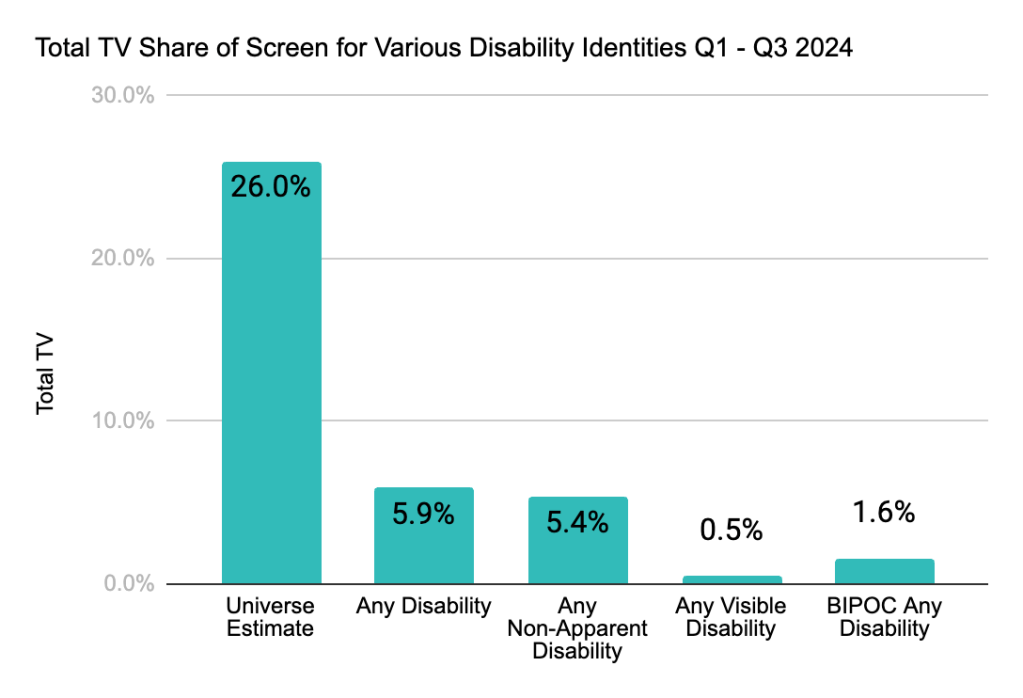
Source: Gracenote Inclusion Analytics, Q1 – Q3 2024
저작권 ©2024 닐슨 컴퍼니(미국), LLC. 모든 권리 보유.
진정성 및 관련성에 대한 요구
Authenticity has become non-negotiable. Among people with disabilities, 52%3 wish for more representation of their identity group on television, with 50% feeling their identity is often misrepresented. This sentiment is even stronger among those who hold multiple marginalized identities—for example, 60% of Black women with disabilities report feeling misrepresented.
This is even more pronounced for people with mental health disabilities, where 54% report feeling misrepresented. Audiences are more likely to disengage from brands that fall short—61% say they would stop purchasing from brands that don’t respect their community. Misrepresentation doesn’t just alienate viewers; it can have tangible economic consequences for brands.
장애인은 자신을 소중히 여기지 않는 브랜드에서 구매를 중단합니다.
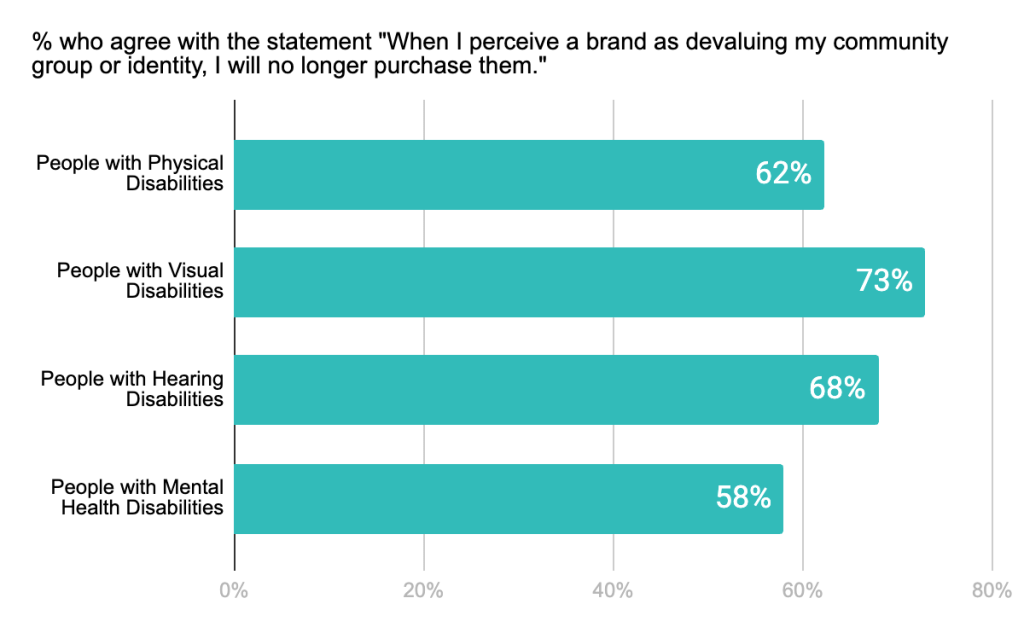
출처: 2023 대표성에 대한 태도 설문조사
저작권 ©2024 닐슨 컴퍼니(미국), LLC. 모든 권리 보유.
강력한 경제적 기회
The U.S. disability community wields an estimated $490 billion in annual disposable income, influencing an extended market worth more than $1 trillion when considering friends and family4. Moreover, 63% of disabled individuals will consider seeking a new brand because they feel their current brand does not align with the causes they care about.4
People with disabilities are discerning consumers, with 52% expecting brands to support causes aligned with their community4. Brands that prioritize inclusion can tap into this significant market potential, leading to increased market share and customer loyalty. By backing relevant social initiatives and developing accessible, inclusive products and services, brands can see substantial returns on investment.
중요한 곳에서 청중과 소통하기
Today’s audiences expect brands to meet them where they are. For disabled people, 70% report experiencing ads that don’t feel relevant to them, and 37% are likely to ignore ads that don’t reflect their identity group5. Irrelevant content drives disengagement. Brands can create ads that align with the real experiences and values of people with disabilities, considering the intersections of race, gender identity, age, and socioeconomic status.
“It is important to provide authentic representation of the communities they serve,” said Lauren Appelbaum, SVP of Entertainment & Media of Disability Belongs, one of Nielsen’s partners in disability inclusive marketing. “Just as important, brands can and should include disabled people in their ad campaigns even when the ad is not about disability.”
In a media landscape where digital is growing, local television remains a trusted choice for people with disabilities. 33% select it as their primary news source, and 62% place it among their top three.4 This preference is even more pronounced in certain subgroups—such as older adults and rural communities—highlighting the importance of understanding the nuanced media consumption habits within the disability community.
Nielsen’s local data allows brands to tailor their messaging to specific markets, ensuring relevance and resonance. By identifying the preferred channels and content of different segments within the disability community, brands can optimize their media planning for maximum impact.
보편적 혜택으로서의 접근성: 실제로 적용되는 커브 컷 효과
While accessibility features are essential for disabled people, their benefits extend to all viewers. Just as curb cuts designed for wheelchair users benefit parents with strollers, cyclists, and delivery workers, accessibility features in media offer advantages for everyone. A prime example is closed captioning. While crucial for viewers who are deaf and hard of hearing, a surprising 58% of all people use subtitles. Of these, 38% find it improves their comprehension of the content, and 26% use it to enjoy content in different languages3. When you approach accessibility features from a universal perspective, it enhances the viewing experience for all.
산업별 인사이트 및 실행 가능한 전략
장애인과 더 깊은 참여를 유도하려면 브랜드는 다음과 같은 전략을 고려해야 합니다:
- Invest in authentic representation: Collaborate with creators and talent from the disability community to ensure accurate and respectful portrayal.
- Leverage intersectional data: Use Nielsen’s multidimensional analytics to understand the overlapping identities of your target audience.
- Develop inclusive products and services: Prioritize accessibility in product design and service delivery to meet the needs of all consumers.
- Support relevant causes: Align with social initiatives and organizations that advocate for the disability community, reinforcing brand commitment to inclusion.
- Optimize media planning: Use data-driven insights to choose the right channels and times to reach your audience effectively.
"장애 포용 브랜드는 접근성과 대표성을 비즈니스 계획에 신중하게 통합함으로써 보다 포용적인 환경을 조성할 뿐만 아니라 다양한 고객과의 관계를 강화할 수 있습니다."라고 Disability Belongs의 사장 겸 CEO인 아리엘 심스(Ariel Simms)는 말합니다. "처음부터 장애 포용을 우선시하는 브랜드는 보다 공평한 시장의 혜택을 누릴 수 있는 위치에 서게 됩니다."
By implementing these strategies, brands can enhance their media planning and advertising effectiveness, leading to better engagement and a stronger return on investment. As diverse marketing needs evolve, understanding the unique dimensions of disability representation isn’t just ethical, it’s essential for brands to stay relevant and competitive. The intersection of identity, relevance, and buying power presents a compelling opportunity for brands to create truly inclusive, meaningful connections with a powerful and loyal audience. Nielsen can provide the insights needed to navigate this evolving landscape and drive success through authentic inclusivity.
출처:
1 Gracenote Inclusion Analytics Q1-Q3 2024 and 2023
2 Gracenote Inclusion Analytics Q1-Q3 2024
3 2023 Attitudes on representation survey
4 American Institutes for Research report 2018
5 2024 Attitudes on advertising survey