12月3日の国際障害者デーを目前に控え、ブランド、広告主、メディア・プラットフォームは、多様なマーケティングにおける状況の変化に直面している。政治的、経済的、社会的原動力が変化する中、障害者を含むオーディエンスを理解するには、正確さとニュアンスが必要です。これは、多くの個人が持つ交差するアイデンティティを考慮する場合に特に当てはまる。この見過ごされがちなグループの期待、ニーズ、経済的な可能性を検証し、ブランドが本格的かつ交差的な包摂性をもって傾倒する戦略的機会を浮き彫りにしよう。
多様なマーケティングにおける新たな展望を切り開く
聴衆とつながるということは、表面的な人口統計にとどまらず、複雑で交差するアイデンティティを理解することである。障害者はユニークな視点をもたらすだけでなく、異なる人種、性別、性的指向、社会経済的背景を含む他のグループと交差する。例えば、身体障害を持つ若いラティーナは、聴覚障害を持つ年配の白人男性退役軍人とメディアの嗜好や購買行動が異なるかもしれません。
正確で多次元的なデータを活用して、こうした多様な体験とつながることができるブランドは、有意義な関係を築くのに有利な立場にある。
代表権の重要性
Gaps in disability representation remain stark, especially when intersectionality is considered. Overall, disabled individuals make up 26% of the U.S. population, but represented only 5.9% of the time on TV screens in 2024—down from 6.8%1 last year. This disparity is even more pronounced with intersectional identities who belong to multiple marginalized groups; for example, people of color with any disability is represented 1.6% on TV in Q1 – Q3 20242.
テレビ放映率と人口シェア
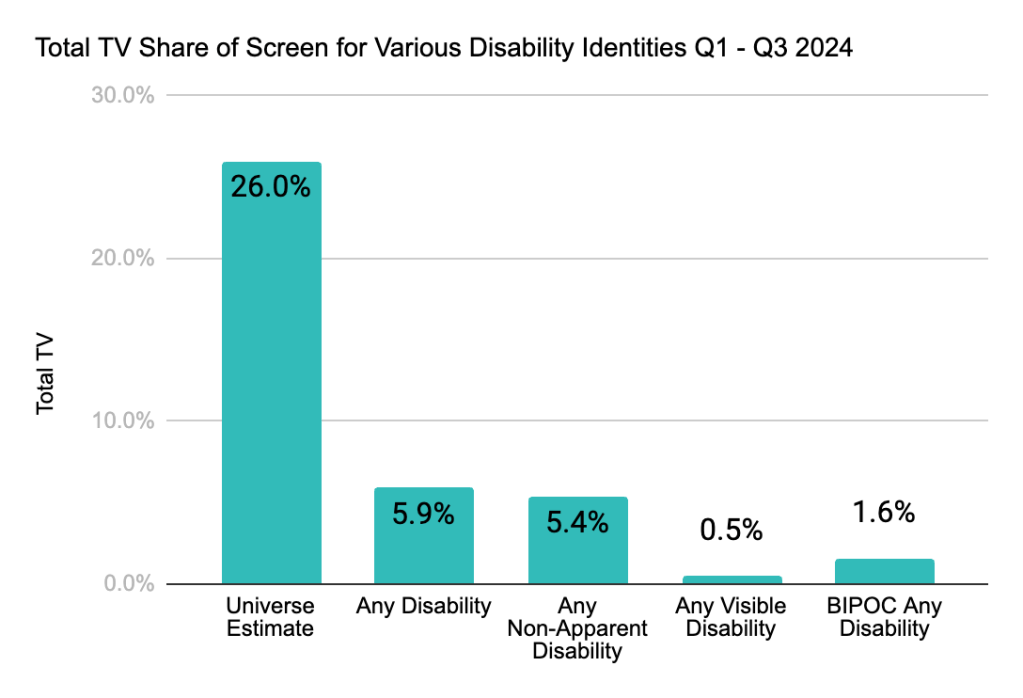
Source: Gracenote Inclusion Analytics, Q1 – Q3 2024
著作権 ©2024 The Nielsen Company (US), LLC.All Rights Reserved.
真正性と関連性の要求
Authenticity has become non-negotiable. Among people with disabilities, 52%3 wish for more representation of their identity group on television, with 50% feeling their identity is often misrepresented. This sentiment is even stronger among those who hold multiple marginalized identities—for example, 60% of Black women with disabilities report feeling misrepresented.
This is even more pronounced for people with mental health disabilities, where 54% report feeling misrepresented. Audiences are more likely to disengage from brands that fall short—61% say they would stop purchasing from brands that don’t respect their community. Misrepresentation doesn’t just alienate viewers; it can have tangible economic consequences for brands.
障がい者は、彼らを大切にしないブランドから買わなくなる
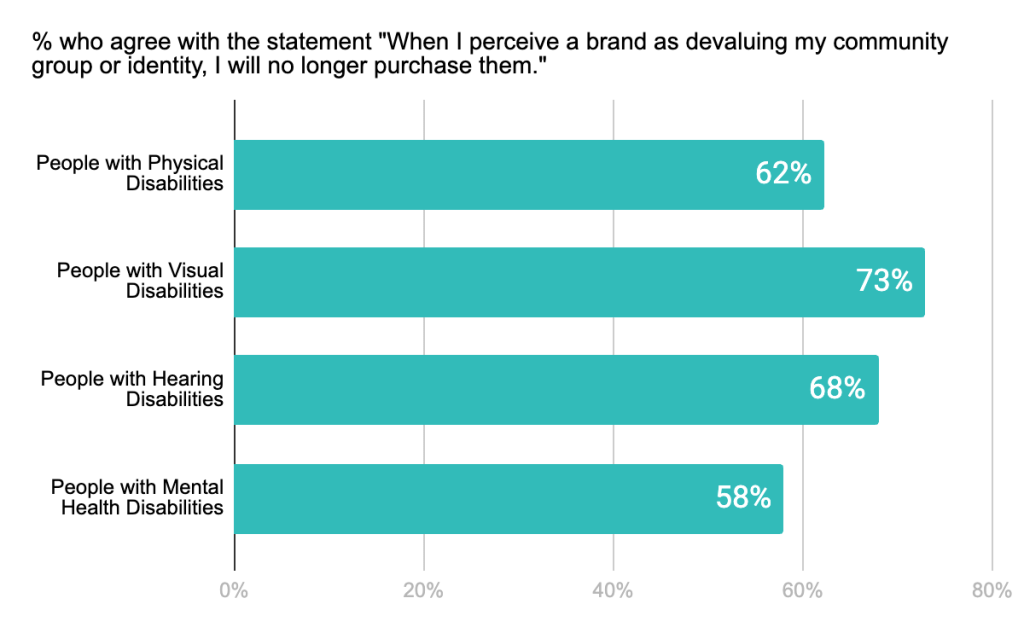
出典:2023年代表に関する意識調査
著作権 ©2024 The Nielsen Company (US), LLC.All Rights Reserved.
強力な経済的機会
The U.S. disability community wields an estimated $490 billion in annual disposable income, influencing an extended market worth more than $1 trillion when considering friends and family4. Moreover, 63% of disabled individuals will consider seeking a new brand because they feel their current brand does not align with the causes they care about.4
People with disabilities are discerning consumers, with 52% expecting brands to support causes aligned with their community4. Brands that prioritize inclusion can tap into this significant market potential, leading to increased market share and customer loyalty. By backing relevant social initiatives and developing accessible, inclusive products and services, brands can see substantial returns on investment.
重要なところで観客とつながる
Today’s audiences expect brands to meet them where they are. For disabled people, 70% report experiencing ads that don’t feel relevant to them, and 37% are likely to ignore ads that don’t reflect their identity group5. Irrelevant content drives disengagement. Brands can create ads that align with the real experiences and values of people with disabilities, considering the intersections of race, gender identity, age, and socioeconomic status.
“It is important to provide authentic representation of the communities they serve,” said Lauren Appelbaum, SVP of Entertainment & Media of Disability Belongs, one of Nielsen’s partners in disability inclusive marketing. “Just as important, brands can and should include disabled people in their ad campaigns even when the ad is not about disability.”
In a media landscape where digital is growing, local television remains a trusted choice for people with disabilities. 33% select it as their primary news source, and 62% place it among their top three.4 This preference is even more pronounced in certain subgroups—such as older adults and rural communities—highlighting the importance of understanding the nuanced media consumption habits within the disability community.
Nielsen’s local data allows brands to tailor their messaging to specific markets, ensuring relevance and resonance. By identifying the preferred channels and content of different segments within the disability community, brands can optimize their media planning for maximum impact.
普遍的利益としてのアクセシビリティ:カーブカット効果の実例
While accessibility features are essential for disabled people, their benefits extend to all viewers. Just as curb cuts designed for wheelchair users benefit parents with strollers, cyclists, and delivery workers, accessibility features in media offer advantages for everyone. A prime example is closed captioning. While crucial for viewers who are deaf and hard of hearing, a surprising 58% of all people use subtitles. Of these, 38% find it improves their comprehension of the content, and 26% use it to enjoy content in different languages3. When you approach accessibility features from a universal perspective, it enhances the viewing experience for all.
業界特有の洞察と実行可能な戦略
障害者とのエンゲージメントを深めるために、ブランドは以下の戦略を検討すべきである:
- Invest in authentic representation: Collaborate with creators and talent from the disability community to ensure accurate and respectful portrayal.
- Leverage intersectional data: Use Nielsen’s multidimensional analytics to understand the overlapping identities of your target audience.
- Develop inclusive products and services: Prioritize accessibility in product design and service delivery to meet the needs of all consumers.
- Support relevant causes: Align with social initiatives and organizations that advocate for the disability community, reinforcing brand commitment to inclusion.
- Optimize media planning: Use data-driven insights to choose the right channels and times to reach your audience effectively.
「アクセシビリティと代表性をビジネスプランに思慮深く組み込むことで、障害者インクルーシブ・ブランドは、よりインクルーシブな環境を作り出すだけでなく、多様なオーディエンスとのより強い関係を育むことができます」と、Disability Belongsの社長兼CEOであるアリエル・シムズ氏は述べた。「最初から障害者インクルージョンを優先するブランドは、より公平な市場から利益を得ることができるのです。
By implementing these strategies, brands can enhance their media planning and advertising effectiveness, leading to better engagement and a stronger return on investment. As diverse marketing needs evolve, understanding the unique dimensions of disability representation isn’t just ethical, it’s essential for brands to stay relevant and competitive. The intersection of identity, relevance, and buying power presents a compelling opportunity for brands to create truly inclusive, meaningful connections with a powerful and loyal audience. Nielsen can provide the insights needed to navigate this evolving landscape and drive success through authentic inclusivity.
情報源
1 Gracenote Inclusion Analytics Q1-Q3 2024 and 2023
2 Gracenote Inclusion Analytics Q1-Q3 2024
3 2023 Attitudes on representation survey
4 American Institutes for Research report 2018
5 2024 Attitudes on advertising survey