ทัศนคติทั่วโลกเกี่ยวกับชุมชน LGBTQ+ เปลี่ยนแปลงไปอย่างมากในช่วงทศวรรษที่ผ่านมา และด้วยตัวเลือกเนื้อหาที่มากขึ้นกว่าที่เคย ผู้ชม LGBTQ+ จึงมีความตระหนักทางสังคมมากขึ้นเกี่ยวกับแบรนด์ที่พวกเขาเลือก สำหรับผู้โฆษณาที่ต้องการเจาะตลาดกับชุมชน LGBTQ+ ที่กำลังเติบโตและกำลังซื้อของพวกเขา การรวมเอาทุกคนเข้าไว้ด้วยกันจึงเป็นสิ่งสำคัญที่สุด
While there has been significant progress in representation the past 20 years, one group still struggling to see themselves in advertising is the Black LGBTQ+ community. Nielsen’s 2022 report on Black inclusion in media found that only 9% of U.S. advertising is directed toward content inclusive of Black LGBTQ+ talent. And subgroups of the LGBTQ+ community are seeing the largest lack of inclusion. Representation of gender non-binary identities, for example, is seen as the least inclusive among advertising with 88% of Black LGBTQ+ people ranking this as non-inclusive compared to 81% overall1.
ช่องว่างในการนำเสนอนี้เป็นโอกาสสำคัญที่นักโฆษณาจะเชื่อมต่อกับผู้บริโภคที่เป็นคนผิวดำในกลุ่ม LGBTQ+ เนื่องจากพวกเขามีแนวโน้มที่จะรู้สึกสบายใจมากกว่าประชากรทั่วไปกับการที่แบรนด์กำหนดเป้าหมายพวกเขาในฐานะผู้บริโภคโดยพิจารณาจากรสนิยมทางเพศและ/หรืออัตลักษณ์ทางเพศของพวกเขา
To connect with Black LGBTQ+ audiences, advertisers need to focus on inclusion, but that inclusion needs to be authentic to be effective. Yet, advertisers are missing the mark when it comes to accurate, intersectional representation. According to Nielsen’s 2022 International LGBTQ+ Report, 54% of Black LGBTQ+ people say avoiding stereotyping is the number one way to improve inclusivity in content—higher than both LGBTQ+ respondents (50%) and total respondents (45%)—signaling that the community feels overly-stereotyped by advertisers today.
We recently spoke with Myles Worthington, Founder and CEO of WORTHI, for a more in-depth discussion about the importance of Black LGBTQ+ inclusivity in media.
Advertisers looking to create more personal connections with Black LGBTQ+ consumers should partner with members of the community, and many are reaching out to social media influencers to be the face of their campaigns. And when it comes to influencers, Black LGBTQ+ consumers want involvement—21% of Black LGBTQ+ people cite commitment to the community and social responsibility as the most relevant attribute they look for in an influencer, outpacing total respondents (17.8%) and LGBTQ+ respondents overall (19.8%)1.
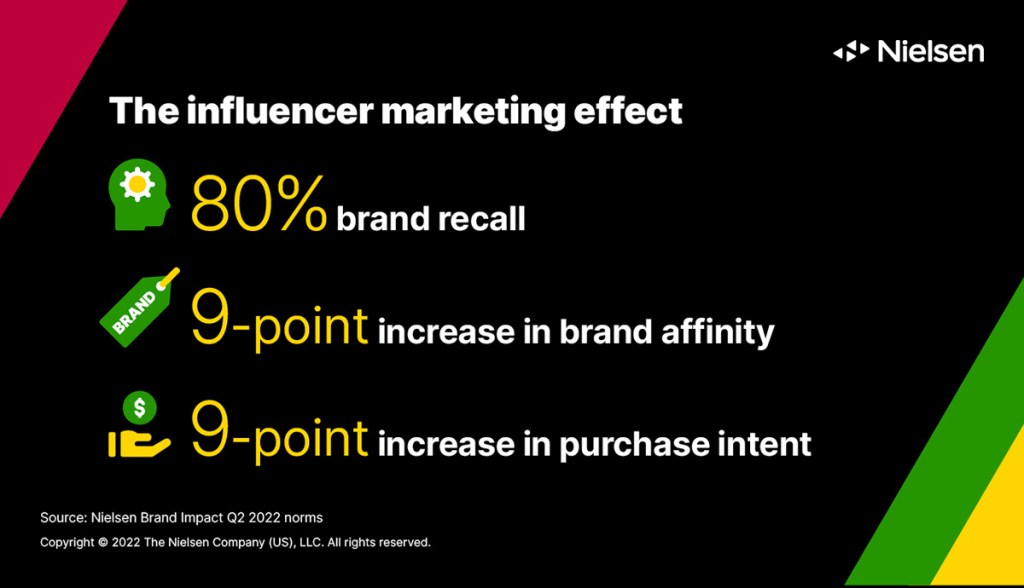
Finding and partnering with the right influencer can increase more than your follower count and video views. According to the 2021 Nielsen Trust in Advertising study, 71% of consumers trust advertising, opinions and product placements from influencers, and influencers drive 80% brand recall and a 9-point increase in both brand affinity and purchase intent relative to consumers who did not see the influencer ads2.
When done right, the strategy is especially impactful with Black audiences—Black adults were 71% more likely to buy products endorsed by influencers on social media3.
สำหรับผู้บริโภคที่เป็นคนผิวสี การมีส่วนร่วมและความถูกต้องที่เพิ่มมากขึ้นสามารถนำไปสู่ความภักดีที่เพิ่มมากขึ้นได้ จากการศึกษาตัวตนและการนำเสนอของ Nielsen ในปี 2022 พบว่าผู้ตอบแบบสอบถามที่เป็นคนผิวสีร้อยละ 40 มีแนวโน้มที่จะซื้อผลิตภัณฑ์จากแบรนด์ที่โฆษณาในเนื้อหาที่มีบุคคลจากกลุ่มตัวตนเดียวกัน แบรนด์ที่เน้นประสบการณ์ของคนผิวสีที่แท้จริงและขยายเสียงของคนผิวสีสามารถกลายเป็นแหล่งข้อมูลที่เชื่อถือได้สำหรับผู้บริโภค และเป็นแบรนด์ที่พวกเขาจดจำเมื่อต้องการซื้อสินค้า
For additional insights, download Amplifying Black voices in media: Creating informed, thoughtful and authentic experiences.
Notes
- การศึกษาการรับรู้สื่อที่ครอบคลุม LGBTQ+ ระหว่างประเทศของ Nielsen ในปี 2022
- มาตรฐาน Nielsen Brand Impact ไตรมาส 2 ปี 2022
- Nielsen Scarborough USA+ 2022 ฉบับ 1 มุมมองผู้บริโภค