LGBTQ+コミュニティの世界的な態度ニールセンについて 、過去10年ほどの間に劇的に進化し、以前よりもコンテンツの選択肢が増えたことで、LGBTQ+のオーディエンスは、選ぶブランドニールセンについて 、より社会的な意識を持つようになっている。拡大するLGBTQ+コミュニティとその購買力に食い込みたい広告主にとって、包括性がすべてである。
While there has been significant progress in representation the past 20 years, one group still struggling to see themselves in advertising is the Black LGBTQ+ community. Nielsen’s 2022 report on Black inclusion in media found that only 9% of U.S. advertising is directed toward content inclusive of Black LGBTQ+ talent. And subgroups of the LGBTQ+ community are seeing the largest lack of inclusion. Representation of gender non-binary identities, for example, is seen as the least inclusive among advertising with 88% of Black LGBTQ+ people ranking this as non-inclusive compared to 81% overall1.
この表現のギャップは、広告主が黒人のLGBTQ+消費者とつながる大きなチャンスとなる。なぜなら、彼らは一般の人々よりも、性的指向や性自認に基づいてブランドが消費者として彼らをターゲットにすることに非常に抵抗がないからだ。
To connect with Black LGBTQ+ audiences, advertisers need to focus on inclusion, but that inclusion needs to be authentic to be effective. Yet, advertisers are missing the mark when it comes to accurate, intersectional representation. According to Nielsen’s 2022 International LGBTQ+ Report, 54% of Black LGBTQ+ people say avoiding stereotyping is the number one way to improve inclusivity in content—higher than both LGBTQ+ respondents (50%) and total respondents (45%)—signaling that the community feels overly-stereotyped by advertisers today.
We recently spoke with Myles Worthington, Founder and CEO of WORTHI, for a more in-depth discussion about the importance of Black LGBTQ+ inclusivity in media.
Advertisers looking to create more personal connections with Black LGBTQ+ consumers should partner with members of the community, and many are reaching out to social media influencers to be the face of their campaigns. And when it comes to influencers, Black LGBTQ+ consumers want involvement—21% of Black LGBTQ+ people cite commitment to the community and social responsibility as the most relevant attribute they look for in an influencer, outpacing total respondents (17.8%) and LGBTQ+ respondents overall (19.8%)1.
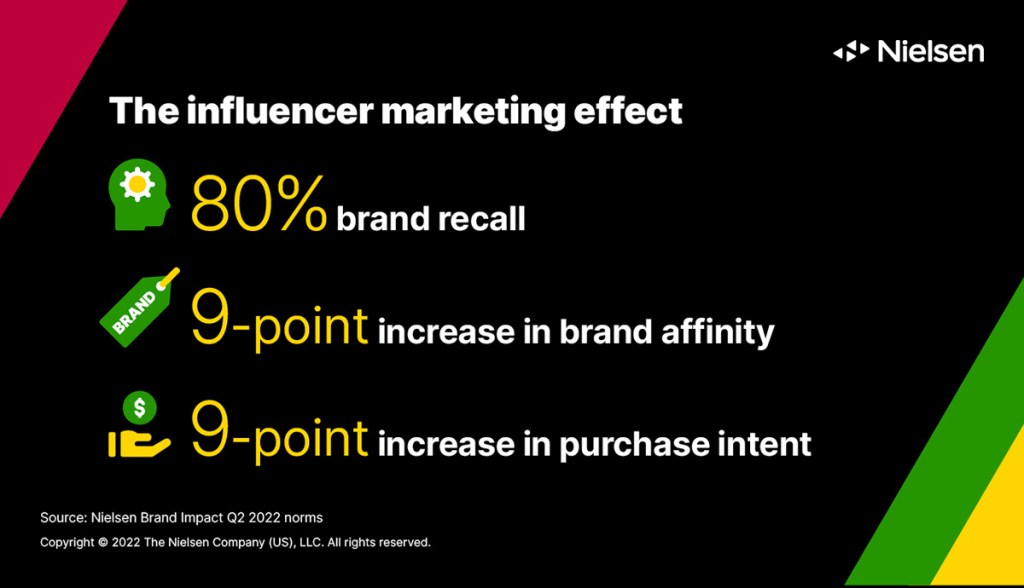
Finding and partnering with the right influencer can increase more than your follower count and video views. According to the 2021 Nielsen Trust in Advertising study, 71% of consumers trust advertising, opinions and product placements from influencers, and influencers drive 80% brand recall and a 9-point increase in both brand affinity and purchase intent relative to consumers who did not see the influencer ads2.
When done right, the strategy is especially impactful with Black audiences—Black adults were 71% more likely to buy products endorsed by influencers on social media3.
黒人の消費者にとって、インクルージョンと信憑性の向上はロイヤルティの向上につながる。2022年のニールセンのアイデンティティと表現に関する調査によると、黒人の回答者の40%が、自分たちのアイデンティティ・グループの誰かが登場するコンテンツ内で広告を出すブランドから製品を購入する可能性が高いことがわかった。本物の黒人の体験に焦点を当て、黒人の声を増幅させるブランドは、消費者にとって信頼できる情報源となり、彼らが購入を望むときに思い出すブランドになることができる。
For additional insights, download Amplifying Black voices in media: Creating informed, thoughtful and authentic experiences.
備考
- ニールセンの国際的なLGBTQ+インクルーシブメディア知覚調査、2022年
- ニールセン・ブランドインパクト 2022年第2四半期基準
- ニールセン・スカーボローUSA+ 2022 リリース1 消費者POV