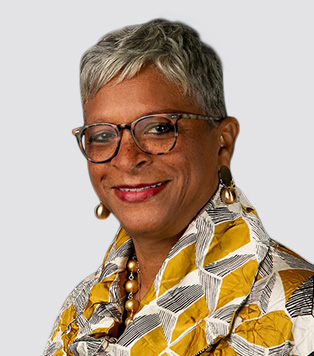
As we wrap up Women’s History Month, I‘m reminded of this year’s International Women’s Day theme: #ChoosetoChallenge. Such a fitting theme for the time we are living in. Women everywhere are bearing the brunt of the COVID-19 pandemic. Even the UN has warned of its adverse impact on gender equity. Yet women have risen to the challenge, continuing to break the glass ceiling and owning a seat at the table. In early 2020, Fortune announced that there are more women at the helm of Fortune 500 companies than ever before: 37 out of the 500 CEOs are female. According to Lean-In, 21% of C-suite leaders today are women, but just 1% are Black women. It is truly a privilege to be able to challenge—and I started to question what it takes to have that privilege, to be valued for who you are and what you can do to make a difference.
As Nielsen’s leader for diversity, equity and inclusion (DE&I), I can challenge the status quo, ask uncomfortable questions and pave the way for change. But for many working women, getting to a role like mine feels more like a pipe dream. While DE&I has become the latest corporate buzzword, the most successful companies have a common denominator: a CEO or leader who is passionate about infusing DE&I throughout the company and acts to drive change. Nielsen has our CEO David Kenny, who until recently, played the dual role of CEO and CDO so that he could act quickly to improve representation. Find people who share your passion and will trust and empower you to do what is right for the company.
เมื่อฉันมาที่ Nielsen ครั้งแรกในช่วงปลายปี 2019 ฉันได้เข้าร่วมทัวร์รับฟังความคิดเห็นและได้ฟังพนักงานที่หลากหลายมากมาย รวมถึงผู้หญิง ซึ่งรู้สึกว่าตนเองถูกมองข้ามในการเลื่อนตำแหน่ง และไม่มีผู้สนับสนุน เนื่องจากมีผู้นำระดับสูงเพียงไม่กี่คนที่เป็นเหมือนพวกเขา บ่อยครั้งที่พวกเธอเป็นผู้หญิงผิวสีเหมือนฉัน ซึ่งบอกกับฉันว่าพวกเธอถูกมองว่าเป็น "ผู้หญิงผิวสีที่โกรธแค้น" และรู้สึกติดขัด หากพวกเธอไม่พูดออกมา ก็จะไม่มีอะไรเปลี่ยนแปลง และหากพวกเธอพูดออกมา พวกเธอก็จะถูกมองว่าเป็นคนเหมารวม ฉันเคยประสบกับสิ่งนี้ตลอดอาชีพการงานของฉันเช่นกัน แต่ฉันได้เรียนรู้ว่าการพูดออกมานั้นมีทั้งวิธีที่ถูกต้องและผิด การหาพันธมิตรและสร้างความสัมพันธ์เป็นสิ่งสำคัญ ที่ปรึกษาที่พร้อมจะช่วยเหลือคุณเมื่อต้องคว้าโอกาสใหญ่ครั้งต่อไปของคุณ ในช่วงเริ่มต้นอาชีพการงาน ฉันตั้งใจเลือกโค้ชผู้บริหารชายผิวขาวที่สามารถแบ่งปันมุมมองของเขาและท้าทายฉันได้ ฉันได้เรียนรู้ว่าเขามองฉันอย่างไร และวิธีใช้จุดแข็งของฉันเพื่อดึงดูดผู้คนเข้ามาแทนที่จะขับไล่พวกเขา หาที่ปรึกษาที่ไม่เหมือนคุณ
Another aspect of choosing to challenge is having the courage to challenge. It’s why I’ve made DE&I my life’s work. We must have courage to present things that people don’t know to help them to see things differently. While programs like breaking bias training is important, you can’t train people to change their minds. What’s more impactful is creating experiences and having direct conversations with people so they feel differently about a particular topic or group. I recently heard from several White employees who challenged our use of “White privilege,” saying that they, too, have had to struggle to get ahead or work hard to get where they are at. It took a direct conversation and courage to share my personal experiences of discrimination as a Black person to help them understand. It was one conversation, but you will change someone’s life and they are going to multiply that when they share that story with others.
การเปลี่ยนแปลงทัศนคติของผู้คนในองค์กรระดับโลกขนาดใหญ่ต้องใช้เวลา ตอนนี้ฉันอยู่ในจุดที่ได้เปรียบและสามารถเลือกที่จะต่อต้านการเลือกปฏิบัติ ส่งผลกระทบโดยตรงต่อชีวิตของพนักงานหลายพันคน และส่งต่อความช่วยเหลือเพื่อช่วยเหลือกลุ่มที่ไม่ได้รับการเป็นตัวแทน การเป็น Chief Diversity Officer ของ Nielsen ถือเป็นตำแหน่งที่สมบูรณ์แบบสำหรับฉันในตอนนี้