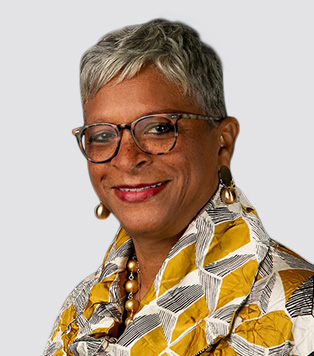
As we wrap up Women’s History Month, I‘m reminded of this year’s International Women’s Day theme: #ChoosetoChallenge. Such a fitting theme for the time we are living in. Women everywhere are bearing the brunt of the COVID-19 pandemic. Even the UN has warned of its adverse impact on gender equity. Yet women have risen to the challenge, continuing to break the glass ceiling and owning a seat at the table. In early 2020, Fortune announced that there are more women at the helm of Fortune 500 companies than ever before: 37 out of the 500 CEOs are female. According to Lean-In, 21% of C-suite leaders today are women, but just 1% are Black women. It is truly a privilege to be able to challenge—and I started to question what it takes to have that privilege, to be valued for who you are and what you can do to make a difference.
As Nielsen’s leader for diversity, equity and inclusion (DE&I), I can challenge the status quo, ask uncomfortable questions and pave the way for change. But for many working women, getting to a role like mine feels more like a pipe dream. While DE&I has become the latest corporate buzzword, the most successful companies have a common denominator: a CEO or leader who is passionate about infusing DE&I throughout the company and acts to drive change. Nielsen has our CEO David Kenny, who until recently, played the dual role of CEO and CDO so that he could act quickly to improve representation. Find people who share your passion and will trust and empower you to do what is right for the company.
Kiedy po raz pierwszy przyszłam do Nielsena pod koniec 2019 roku, wybrałam się na listening tour i usłyszałam wielu różnorodnych pracowników, w tym kobiet, którzy czuli, że zostali pominięci przy awansach i że nie mają żadnych zwolenników, ponieważ było niewielu starszych liderów, którzy byliby tacy jak oni. Często były to czarnoskóre kobiety, takie jak ja, które powiedziały mi, że były postrzegane jako "wściekłe czarnoskóre kobiety" i czuły się zablokowane - jeśli nie zabierały głosu, nic się nie zmieniało, a jeśli to robiły, były stereotypizowane. Doświadczyłam tego również w trakcie mojej kariery, ale nauczyłam się, że istnieje dobry i zły sposób na zabranie głosu. Kluczowe jest znalezienie sojuszników i budowanie relacji. Mentorzy, którzy siedzą przy stole, mogą pomóc ci w zdobyciu kolejnej dużej szansy. Na początku mojej kariery celowo wybrałem białego trenera, który mógł podzielić się swoim punktem widzenia i rzucić mi wyzwanie. Dowiedziałam się, jak mnie postrzegał i jak wykorzystać moją siłę, by przyciągać ludzi, zamiast ich odpychać. Znajdź mentora, który nie jest taki jak ty.
Another aspect of choosing to challenge is having the courage to challenge. It’s why I’ve made DE&I my life’s work. We must have courage to present things that people don’t know to help them to see things differently. While programs like breaking bias training is important, you can’t train people to change their minds. What’s more impactful is creating experiences and having direct conversations with people so they feel differently about a particular topic or group. I recently heard from several White employees who challenged our use of “White privilege,” saying that they, too, have had to struggle to get ahead or work hard to get where they are at. It took a direct conversation and courage to share my personal experiences of discrimination as a Black person to help them understand. It was one conversation, but you will change someone’s life and they are going to multiply that when they share that story with others.
Zmiana postrzegania ludzi w dużej globalnej organizacji zajmie trochę czasu. Jestem w punkcie, w którym znajduję się w uprzywilejowanej pozycji i w którym mogę rzucić wyzwanie dyskryminacji, bezpośrednio wpłynąć na życie tysięcy pracowników i przekazać to dalej, aby podnieść na duchu niedostatecznie reprezentowane grupy. Bycie dyrektorem ds. różnorodności w Nielsen jest teraz dla mnie idealnym miejscem.