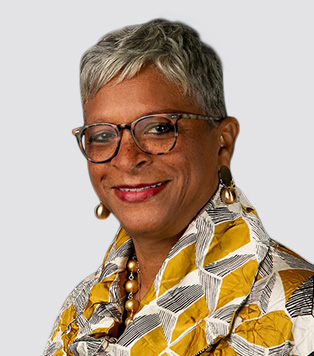
As we wrap up Women’s History Month, I‘m reminded of this year’s International Women’s Day theme: #ChoosetoChallenge. Such a fitting theme for the time we are living in. Women everywhere are bearing the brunt of the COVID-19 pandemic. Even the UN has warned of its adverse impact on gender equity. Yet women have risen to the challenge, continuing to break the glass ceiling and owning a seat at the table. In early 2020, Fortune announced that there are more women at the helm of Fortune 500 companies than ever before: 37 out of the 500 CEOs are female. According to Lean-In, 21% of C-suite leaders today are women, but just 1% are Black women. It is truly a privilege to be able to challenge—and I started to question what it takes to have that privilege, to be valued for who you are and what you can do to make a difference.
As Nielsen’s leader for diversity, equity and inclusion (DE&I), I can challenge the status quo, ask uncomfortable questions and pave the way for change. But for many working women, getting to a role like mine feels more like a pipe dream. While DE&I has become the latest corporate buzzword, the most successful companies have a common denominator: a CEO or leader who is passionate about infusing DE&I throughout the company and acts to drive change. Nielsen has our CEO David Kenny, who until recently, played the dual role of CEO and CDO so that he could act quickly to improve representation. Find people who share your passion and will trust and empower you to do what is right for the company.
Quando sono arrivata in Nielsen alla fine del 2019, ho fatto un tour di ascolto e ho sentito tanti dipendenti diversi, comprese le donne, che sentivano di essere stati scartati per le promozioni e di non avere sostenitori perché c'erano pochi leader senior che erano come loro. Spesso si trattava di donne nere come me, che mi hanno detto di essere viste come la "donna nera arrabbiata" e di sentirsi bloccate: se non parlano, non cambia nulla, e se lo fanno, vengono stereotipate. Anch'io ho vissuto questa esperienza nel corso della mia carriera, ma ho imparato che c'è un modo giusto e uno sbagliato di parlare. Trovare alleati e costruire relazioni è fondamentale. I mentori che hanno un posto a tavola possono aiutarvi a difendere la vostra prossima grande opportunità. All'inizio della mia carriera, ho scelto di proposito un coach esecutivo maschio bianco che potesse condividere il suo punto di vista e sfidarmi. Ho imparato come mi vedeva lui e come usare la mia forza per attirare le persone invece di respingerle. Trovate un mentore che non sia come voi.
Another aspect of choosing to challenge is having the courage to challenge. It’s why I’ve made DE&I my life’s work. We must have courage to present things that people don’t know to help them to see things differently. While programs like breaking bias training is important, you can’t train people to change their minds. What’s more impactful is creating experiences and having direct conversations with people so they feel differently about a particular topic or group. I recently heard from several White employees who challenged our use of “White privilege,” saying that they, too, have had to struggle to get ahead or work hard to get where they are at. It took a direct conversation and courage to share my personal experiences of discrimination as a Black person to help them understand. It was one conversation, but you will change someone’s life and they are going to multiply that when they share that story with others.
Per cambiare la percezione delle persone in una grande organizzazione globale ci vorrà tempo. Mi trovo in una posizione privilegiata e posso scegliere di sfidare la discriminazione, di avere un impatto diretto sulla vita di migliaia di dipendenti e di fare un passo avanti per sollevare i gruppi sottorappresentati. Essere Chief Diversity Officer di Nielsen è il posto perfetto per me in questo momento.