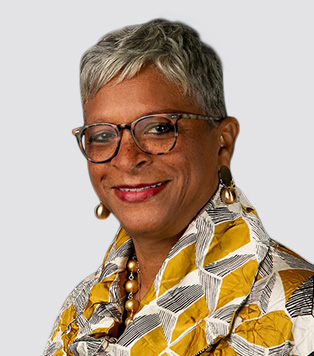
As we wrap up Women’s History Month, I‘m reminded of this year’s International Women’s Day theme: #ChoosetoChallenge. Such a fitting theme for the time we are living in. Women everywhere are bearing the brunt of the COVID-19 pandemic. Even the UN has warned of its adverse impact on gender equity. Yet women have risen to the challenge, continuing to break the glass ceiling and owning a seat at the table. In early 2020, Fortune announced that there are more women at the helm of Fortune 500 companies than ever before: 37 out of the 500 CEOs are female. According to Lean-In, 21% of C-suite leaders today are women, but just 1% are Black women. It is truly a privilege to be able to challenge—and I started to question what it takes to have that privilege, to be valued for who you are and what you can do to make a difference.
As Nielsen’s leader for diversity, equity and inclusion (DE&I), I can challenge the status quo, ask uncomfortable questions and pave the way for change. But for many working women, getting to a role like mine feels more like a pipe dream. While DE&I has become the latest corporate buzzword, the most successful companies have a common denominator: a CEO or leader who is passionate about infusing DE&I throughout the company and acts to drive change. Nielsen has our CEO David Kenny, who until recently, played the dual role of CEO and CDO so that he could act quickly to improve representation. Find people who share your passion and will trust and empower you to do what is right for the company.
Quando cheguei à Nielsen, no final de 2019, fiz uma turnê de escuta e ouvi muitos funcionários diversos, inclusive mulheres, que sentiam que tinham sido preteridos em promoções e que não tinham defensores porque havia poucos líderes seniores que eram como eles. Em geral, eram mulheres negras como eu, que me disseram que eram vistas como a "mulher negra irritada" e que se sentiam presas - se não se manifestassem, nada mudaria e, se o fizessem, seriam estereotipadas. Também passei por isso em minha carreira, mas aprendi que há uma maneira certa e uma errada de se manifestar. Encontrar aliados e construir relacionamentos é fundamental. Os mentores que têm um lugar na mesa podem ajudar a defendê-lo quando se trata de conseguir sua próxima grande oportunidade. No início de minha carreira, escolhi propositadamente um coach executivo branco que pudesse compartilhar seu ponto de vista e me desafiar. Aprendi como ele me via e como usar minha força para atrair as pessoas em vez de repeli-las. Encontre um mentor que não seja como você.
Another aspect of choosing to challenge is having the courage to challenge. It’s why I’ve made DE&I my life’s work. We must have courage to present things that people don’t know to help them to see things differently. While programs like breaking bias training is important, you can’t train people to change their minds. What’s more impactful is creating experiences and having direct conversations with people so they feel differently about a particular topic or group. I recently heard from several White employees who challenged our use of “White privilege,” saying that they, too, have had to struggle to get ahead or work hard to get where they are at. It took a direct conversation and courage to share my personal experiences of discrimination as a Black person to help them understand. It was one conversation, but you will change someone’s life and they are going to multiply that when they share that story with others.
Mudar as percepções das pessoas em uma grande organização global levará tempo. Estou em uma posição privilegiada e posso optar por desafiar a discriminação, impactar diretamente a vida de milhares de funcionários e fazer um esforço para elevar os grupos sub-representados. Ser o Chief Diversity Officer da Nielsen é o lugar perfeito para mim neste momento.