When we read about cross-media measurement in the trade press or hear industry leaders talk about it at industry conferences, it’s often presented as a distant dream that will never fully materialize. The media world is always going to outpace our ability to measure it, the thinking goes, and rather than chasing the ultimate solution, advertisers should just focus on one or two channels, embrace their native measurement solutions and trust that they’ve picked the right media partners.
Chiariamo le cose.
L'universo dei media non è mai stato così complesso
Di certo, l'universo dei media è oggi più complesso e molto più frammentato che mai. Secondo la società di ricerca Parks Associates, la famiglia media statunitense con accesso a Internet possiede 17 dispositivi connessi. Anche se escludiamo dall'elenco le telecamere di sicurezza e gli indossabili, sono molti i dispositivi per leggere, guardare e ascoltare contenuti multimediali.
Today, there’s TV content on the internet, internet content on TV, and everything in-between. The age of media convergence is a boon for consumers but a big jigsaw puzzle for media buyers and sellers trying to make sense of it.
E ogni canale ha le sue metriche
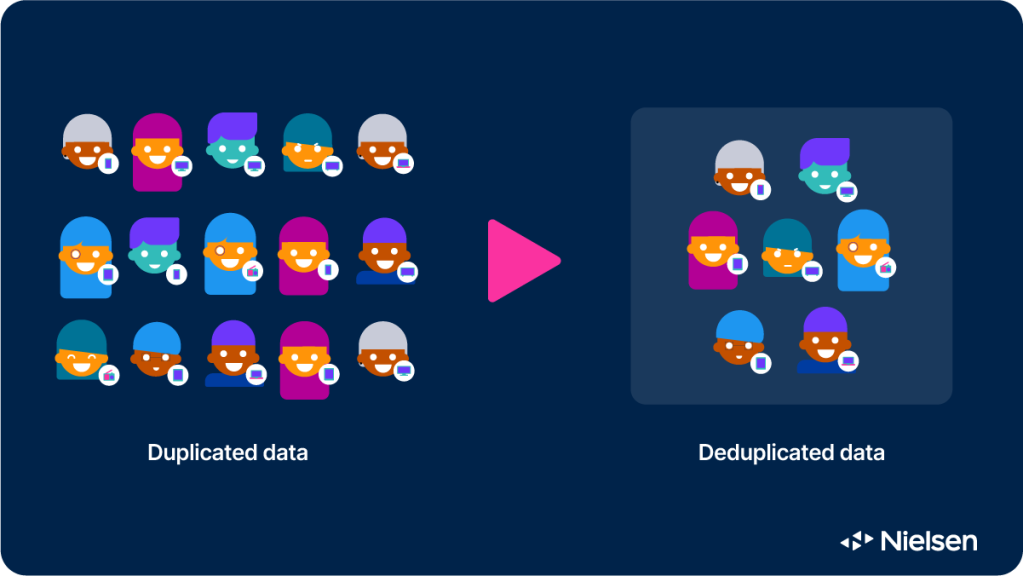
Che cos'è un'impressione in questo nuovo mondo? Come si fa a contare gli spettatori su così tanti dispositivi? Come si fa a capire che non si sta mostrando lo stesso annuncio cento volte alla stessa persona?
New channels rarely define success the same way as their predecessors—at least at first. Digital impressions and clicks were measured very differently from TV GRPs or radio quarter-hour persons when they first came out, and they told a different story, too. Social media pushed the envelope with mid-funnel engagement metrics and raised big questions about what constitutes ad effectiveness in today’s age. Streaming has also revolutionized how the industry measures success, for both content and ads, and accelerated the need to capture viewer engagement regardless of the screen they’re using. And retail media is now drawing everyone’s attention to outcomes-minded metrics.
Così tante metriche, così poco tempo. Non sarebbe più facile per i brand evitare tutta questa complessità e puntare tutto su un unico paniere di media?
Non c'è un super canale mediatico
I brand devono raggiungere un'ampia gamma di obiettivi con le loro campagne di marketing: dalla costruzione del marchio alle performance di vendita, dall'acquisizione alla fidelizzazione dei clienti, dalla fedeltà all'advocacy. Tuttavia, mentre alcuni canali come il digital display, i social media e la TV lineare sono ragionevolmente forti in più di un obiettivo, nessun canale è dominante nell'intero funnel.
In our Relazione annuale di marketing 2024, we shared that globally, only 36% of media channels perform above average when it comes to delivering both sales and awareness success for a campaign. In the U.S., that’s only 20%.
Solo il 36% dei canali mediatici ottiene risultati superiori alla media per quanto riguarda il successo di vendita e di notorietà.
Abbiamo anche analizzato centinaia di campagne per vedere come la concentrazione su un singolo canale potesse influire sulle prestazioni e abbiamo scoperto che quelle che hanno destinato più dell'85% del loro budget a un unico bucket, anche se dinamico come il video online o la TV digitale di rete, sono riuscite a raggiungere al massimo il 17% del loro pubblico target. Le campagne ben diversificate, invece, sono riuscite a raggiungere il 90% del loro pubblico target su schermi CTV, desktop e mobile grazie ad acquisti pubblicitari su decine di piattaforme lineari, reti digitali e video online.
Quale risultato on-target preferireste ottenere con la vostra prossima campagna? 17% o 90%?
I vantaggi della misurazione crossmediale
Per gli inserzionisti e le loro agenzie, la misurazione cross-mediale consente di deduplicare le audience tra gli editori, di calcolare la portata e la frequenza e di capire quanto ogni parte del diagramma di Venn contribuisca alla performance complessiva di una campagna. Se aggiungete Netflix o Hulu alla vostra campagna CTV, raggiungerete un nuovo segmento di popolazione o le stesse persone? Migliorereste la vostra performance on-target? State pagando un CPM equo per la vostra campagna? Le implicazioni per la pianificazione e il budget dei media sono profonde.
And cross-media measurement is equally beneficial for platforms and publishers eager to understand the incremental reach their various platforms can offer advertisers and maximize the value of their inventory. In today’s crowded media ecosystem, it’s become increasingly important for media companies to showcase their ability to reach advanced audiences across screens and defend their CPMs.
La misurazione crossmediale oggi
Tutto questo va bene, ma la misurazione crossmediale è fattibile?
Absolutely. Our own Nielsen ONE solution was built around cross-media measurement, and our clients use it today to determine who is exposed to their ads, on what devices, and what placements are winners and losers out there. They can quickly apply a common set of metrics like reach, frequency and on-target performance across all channels, and use the insights to take action while their campaign is in flight.
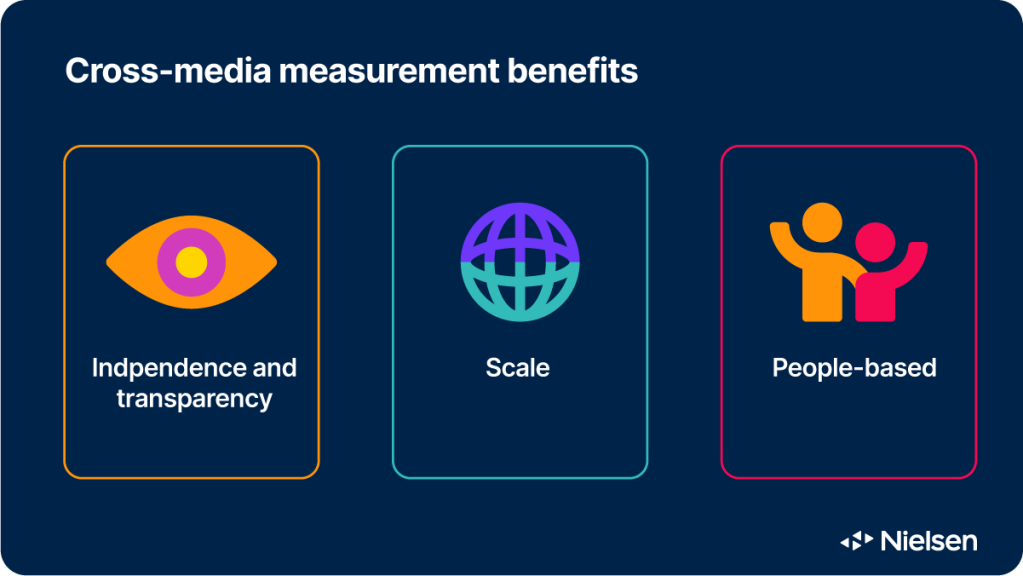
- Independence and transparency – To use cross-media data with confidence, you need a measurement partner that’s externally audited and with no vested interest in the media buying equation, and you need to be comfortable with how the data is put together.
- Scale – Choose a partner with visibility into the vast majority of advertising activity (both traditional and digital) in the markets you operate in. Ask about its big data integrations and make sure they include the channels you care about today—and those you might want to explore in the near future.
- People-based – Big data is great, but it needs to be calibrated using reputable panels to reduce bias and data gaps. It also needs to work for you at the person-level because you’re not trying to reach devices, or even households, but real people. Make sure your partner’s cross-media data is representative of the persons you’re trying to reach, and accounts for co-viewing on all the screens they might use to see your campaign.
La misurazione cross-mediale è un costante lavoro in corso - ci sono nuovi canali e formati pubblicitari che spuntano in continuazione - ma potete trarre enormi vantaggi dalle soluzioni già presenti sul mercato oggi. Non aspettate.
Nielsen’s Need to Know reviews the fundamentals of audience measurement and demystifies the media industry’s hottest topics. Read every article here.