Brands and advertisers just now settling into a post-COVID marketing rhythm could be facing another major disruption, this time in the form of a global recession. With 60% of economists predicting a Euro-zone recession, and an expected global growth rate of only 2.9%—down from 4.6% at the beginning of the year—an economic slowdown seems inevitable.
And as consumers adjust their spending to adapt to inflation and higher interest rates, many brands and advertisers are following suit. According to data from Nielsen Ad Intel, the U.S. advertising marketplace shrank by 7% in the second quarter of 2022 versus the same time last year, signaling that many marketers expect, or have already experienced, cuts to their budgets.
しかし、メディアへの支出を減らすことは、短期的な予算の問題では理にかなっているように見えるかもしれないが、不況の影響を軽減し、マーケティング予算の効果を最大化することに重点を置くマーケティング担当者は、回復を考え、そのために支出する必要がある。
不況は長続きしない
不況の長期化を恐れるマーケティング担当者にとって朗報なのは、多くの不況は短期間で終わるということだ。歴史的に見ると、不況の75%は1年以内に終わり、30%は2四半期しか続かない。そのため、支出を削減しても短期的なものであり、名目的な節約にしかならない可能性が高い。
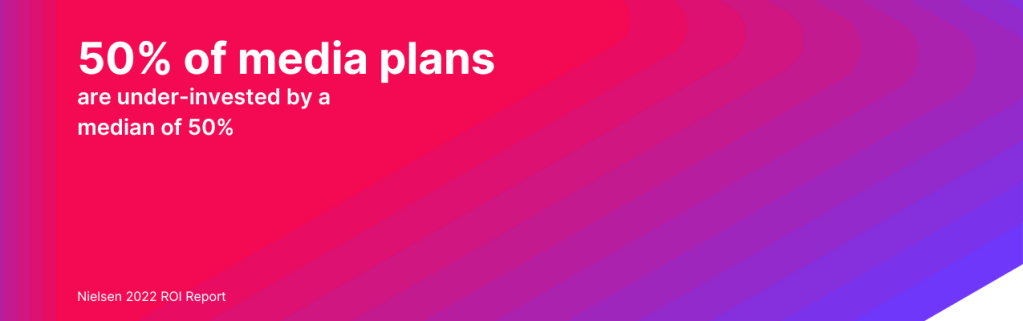
Considering most brands are already under-spending—depressing their ROIs by a median of 50%—any additional cutting of media expenses could only serve to reduce ROI further, at a time when brands need to maximize profits most.
The solution isn’t to slash the budget, but to optimize media mix and invest in channels that are performing well. Finding the right balance ensures that spending is properly allocated for reach, efficiency and frequency. For example, an auto manufacturer recently increased its reach by 26% and its impressions by more than 39% by simply optimizing its media allocation without adjusting its budget.
また、不況時にメディアに投資することは、実際にブランドの経費節減につながることもある。業界の後退は、広告バイヤーに有利な需給のダイナミズムを生み出し、メディアコストを下げるからだ。実際、不況時にメディア投資を強化するブランドもある。有利なメディアコスト環境に加えて、ブランドは競合他社が広告を縮小していることに気づくかもしれない。
不況下でも成長は可能
Before assuming a slump in sales due to a recession, brands should assess the landscape and closely follow consumer behavior for changes in spending patterns. A shift in spending habits from large indulgences to small indulgences, for example, creates opportunity for growth in certain categories, like lipstick, while contracting others, like dining and hospitality.
そして、消費者が価格に対してより敏感になるにつれ、ブランドはそれに合わせてメディアプランとメッセージングを変えていく必要がある。不況にやさしいメッセージングは、ブランドの価値を強化し、不況を乗り越えて消費者のロイヤリティを確保するのに役立つ。
不況下の潜在的なカテゴリー成長を最大限に活用したいブランドや広告主は、消費者行動を分析してメッセージを最適化し、広告予算インパクトを高めることに注力すべきである。
正しい)カットをする
予算削減は避けられないこともあります。支出を調整しなければならないことが分かっているのであれば、適切な場所で適切なコストを削減し、残りの予算で最大限の効果を上げ、ROIへの悪影響を最小限に抑えるようにしましょう。
And while pulling back on media spending may seem like the obvious way to cut costs and hit financial targets, the benefit can be relatively low. A Nielsen study of media plans found that only 25% of channel-level investments were too high to maximize ROI, and within this group, the median overspend amount was 32%. And while reducing spend would improve channel ROI by a modest 4%, brands would also see significantly reduced sales volume due to a drop in ad-driven sales.
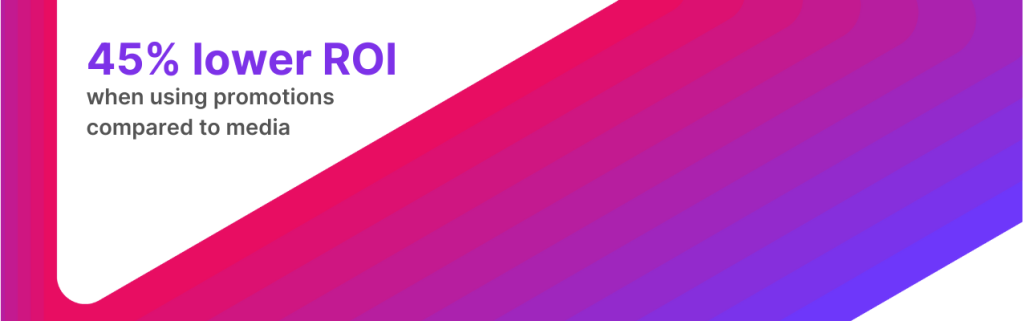
It can also be tempting to increase promotions when consumers decrease spending, but this approach comes with its own challenges. Promotions done regularly can condition consumers to only buy when there is a promotion, leading to lower sales on regularly-priced items and margin compression. ROI also tends to be lower for promotions—45% lower than that of media, according to Nielsen marketing mix models—as only a small portion of promotional sales are truly incremental, and promo sales need to be much higher to make up for lost margins.
プロモーションに大きく依存するのではなく、ROIへの影響を最小限に抑えながら、どのチャネルを削減または縮小できるかを検討する。あるチャネルの結果がすでに冴えないのであれば、そのチャネルを完全にカットし、より優れた指標と高いROIが見込めるチャネルに費用を再配分した方がよいかもしれない。
最終的にどのようなメディア・ミックスと予算配分を決定するにしても、どのような支出でも、まったく支出しないよりはましだということを覚えておいてほしい。ニールセンのマーケティング・ミックス・モデルによると、放送を休止したブランドは、四半期ごとに長期的な収益の2%を失うことが予想され、メディア活動を再開しても、その休止によるエクイティ損失を回復するには3~5年かかるという。ニールセンのデータによれば、マーケティングはブランド・エクイティの10%~35%を占める。