Brands and advertisers just now settling into a post-COVID marketing rhythm could be facing another major disruption, this time in the form of a global recession. With 60% of economists predicting a Euro-zone recession, and an expected global growth rate of only 2.9%—down from 4.6% at the beginning of the year—an economic slowdown seems inevitable.
And as consumers adjust their spending to adapt to inflation and higher interest rates, many brands and advertisers are following suit. According to data from Nielsen Ad Intel, the U.S. advertising marketplace shrank by 7% in the second quarter of 2022 versus the same time last year, signaling that many marketers expect, or have already experienced, cuts to their budgets.
그러나 단기적인 예산 문제에는 미디어 지출을 줄이는 것이 합리적일 수 있지만, 경기 침체의 영향을 완화하고 마케팅 예산의 효과를 극대화하는 데 중점을 둔 마케터라면 경기 회복을 위한 지출을 고려해야 합니다.
불황은 영원히 지속되지 않습니다
장기적인 경기 침체를 두려워하는 마케터에게 좋은 소식은 역사적으로 경기 침체의 75%가 1년 이내에 끝나고, 30%는 2분기에만 지속되는 등 경기 침체는 대부분 단기적이라는 점입니다. 따라서 지출을 줄이면 단기적으로만 비용을 절감할 수 있으며, 곧 다가올 경기 회복기에 브랜드가 불리한 위치에 놓이게 될 가능성이 높습니다.
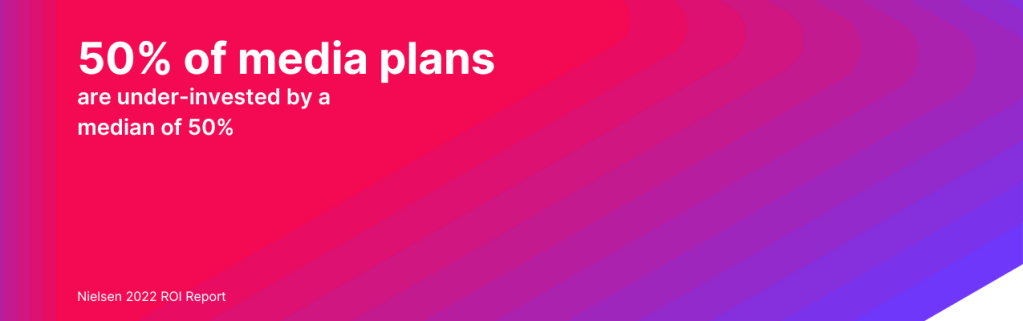
Considering most brands are already under-spending—depressing their ROIs by a median of 50%—any additional cutting of media expenses could only serve to reduce ROI further, at a time when brands need to maximize profits most.
The solution isn’t to slash the budget, but to optimize media mix and invest in channels that are performing well. Finding the right balance ensures that spending is properly allocated for reach, efficiency and frequency. For example, an auto manufacturer recently increased its reach by 26% and its impressions by more than 39% by simply optimizing its media allocation without adjusting its budget.
불황기에 미디어에 투자하면 업계가 위축되면서 광고 구매자에게 유리한 수요와 공급의 역학 관계가 형성되고 미디어 비용이 낮아지기 때문에 오히려 브랜드 비용을 절감할 수 있습니다. 실제로 일부 브랜드는 불황기에 미디어 투자를 강화하기도 합니다. 유리한 미디어 비용 환경 외에도 브랜드는 경쟁업체가 광고를 축소하여 캠페인이 더 큰 영향력을 발휘할 수 있는 기회가 생길 수도 있습니다.
경기 침체기에도 성장 가능
Before assuming a slump in sales due to a recession, brands should assess the landscape and closely follow consumer behavior for changes in spending patterns. A shift in spending habits from large indulgences to small indulgences, for example, creates opportunity for growth in certain categories, like lipstick, while contracting others, like dining and hospitality.
소비자들이 가격에 더욱 민감해짐에 따라 브랜드는 이에 맞춰 미디어 플랜과 메시지를 변경해야 합니다. 불황 친화적인 메시지는 브랜드의 가치를 강화하고 불황 이후에도 소비자 충성도를 확보하는 데 도움이 될 수 있습니다.
불황기에 잠재적인 카테고리 성장을 최대한 활용하고자 하는 브랜드와 광고주는 소비자 행동을 분석하여 메시지를 최적화하고 광고 지출의 효과를 높이는 데 집중해야 합니다.
(오른쪽) 컷 만들기
때로는 예산 삭감이 불가피한 경우도 있습니다. 지출을 조정해야 하는 경우, 남은 예산의 효과를 극대화하고 ROI에 미치는 부정적인 영향을 최소화하기 위해 적재적소에 적절한 비용을 삭감해야 합니다.
And while pulling back on media spending may seem like the obvious way to cut costs and hit financial targets, the benefit can be relatively low. A Nielsen study of media plans found that only 25% of channel-level investments were too high to maximize ROI, and within this group, the median overspend amount was 32%. And while reducing spend would improve channel ROI by a modest 4%, brands would also see significantly reduced sales volume due to a drop in ad-driven sales.
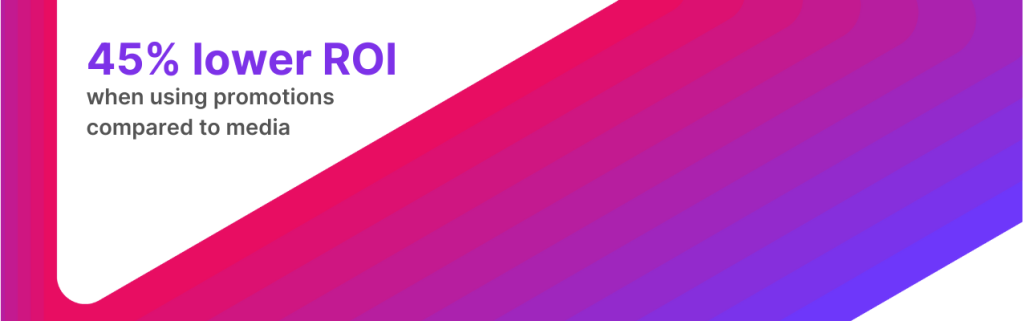
It can also be tempting to increase promotions when consumers decrease spending, but this approach comes with its own challenges. Promotions done regularly can condition consumers to only buy when there is a promotion, leading to lower sales on regularly-priced items and margin compression. ROI also tends to be lower for promotions—45% lower than that of media, according to Nielsen marketing mix models—as only a small portion of promotional sales are truly incremental, and promo sales need to be much higher to make up for lost margins.
프로모션에 과도하게 의존하는 대신 ROI에 미치는 영향을 최소화하면서 줄일 수 있는 채널을 고려하세요. 한 채널의 실적이 이미 부진한 경우, 해당 채널을 완전히 없애고 더 나은 지표와 높은 ROI 잠재력을 가진 채널에 지출을 재할당하는 것이 더 나을 수 있습니다.
궁극적으로 어떤 미디어 믹스와 예산 할당을 결정하든, 어떤 지출이라도 전혀 지출하지 않는 것보다 낫다는 점을 기억하세요. 닐슨 마케팅 믹스 모델에 따르면, 방송을 중단한 브랜드는 매 분기 장기 매출의 2%를 잃을 수 있으며, 미디어 활동을 재개하더라도 중단으로 인한 자본 손실을 회복하는 데 3~5년이 걸릴 것으로 예상됩니다. 미디어 지출을 줄이면 수익에만 타격을 입는 것이 아닙니다. 닐슨 데이터에 따르면 마케팅은 브랜드 자산의 10~35%를 차지합니다.