https://nielsen.wistia.com/medias/ubvsgmawk5?embedType=async&videoFoam=true
Living with a disability is increasingly a part of everyday life. Whether the disability is seen or unseen, more than a quarter of the U.S. population has one, and many of us who aren’t disabled are likely to know someone who is living with one. We know that media has the power to shift the narrative around disability by better reflecting the real lived experience of people with disabilities. So, while film and TV content have made progress in depicting stories of disability, as evident in the surge of programming inclusive of disabilities and related themes over the last 10 years, advertising featuring people with disabilities lags far behind. With a $21 billion market potential, advertisers cannot afford to miss the opportunity to engage with the disabled community and their allies.
广告创意中的残疾人形象
Most of the time, disability is absent from advertising, except when it’s focused on products that treat disabilities. Rarely do ads show disabled people in everyday life, such as working, parenting, household chores or enjoying activities. In a custom analysis of Nielsen Ad Intel data, we looked at nearly 450,000 primetime ads on broadcast and cable TV in February 2021. Of those ads, just 1% included representation of disability-related themes, visuals, or topics.
考虑到这一活跃的消费目标,错失将残疾人纳入日常品牌信息的机会可能会付出高昂的代价。品牌有机会在其信息和产品设计中融入对残疾人生活的描绘和体验,而不必以残疾人为中心。媒体、营销和广告行业有机会通过提高残疾人的知名度来帮助打破社会对残疾人的偏见。
兼顾残疾问题的广告支出
好莱坞在描述残疾人方面取得了进步,但要为残疾人人才提供更多机会,还有很多工作要做。我们的分析发现,二月份包含残疾人和残疾人相关主题的广告支出总额接近 5700 万美元,但只有 3% 的广告用于以残疾人为主角或包含残疾人主题的创意。
而药品、保健治疗、器械和类似产品占残疾人包容性广告总支出的近 50%。虽然治疗和护理管理是残疾人生活的重要方面,但重要的是,残疾人的生活不仅仅是处方药。广告商有机会展示残疾人在日常生活中与品牌提供的产品和服务的互动。
当广告更具包容性时,就会对所有受众产生影响,而不仅仅是残疾受众。然而,包容性意味着在所有类别的广告中增加残疾人的形象,而不仅仅是药品广告。过多的此类表现形式会强化对残疾人的刻板印象。当各行各业的品牌在其创意中更多地包容残疾人时,就有助于平衡叙事,使残疾人生活正常化。
正确处理
Highlighting the impact that living with a disability can have on consumers’ experience with a product reinforces a sense of belonging. It also has the potential to drive dramatic change in people’s daily lives. But to be authentic in targeting, advertisers must have the right team to craft an informed and inclusive message. Christina Mallon, influencer, activist and Global Head of Inclusive Designer and Digital Accessibility at Wunderman Thompson is at the forefront of raising awareness, increasing accessibility and innovating with brands for people living with disabilities. Not only is she an expert in her field, but she’s also clear about how brand messaging and products impact her own life every day as a person with a physical disability.
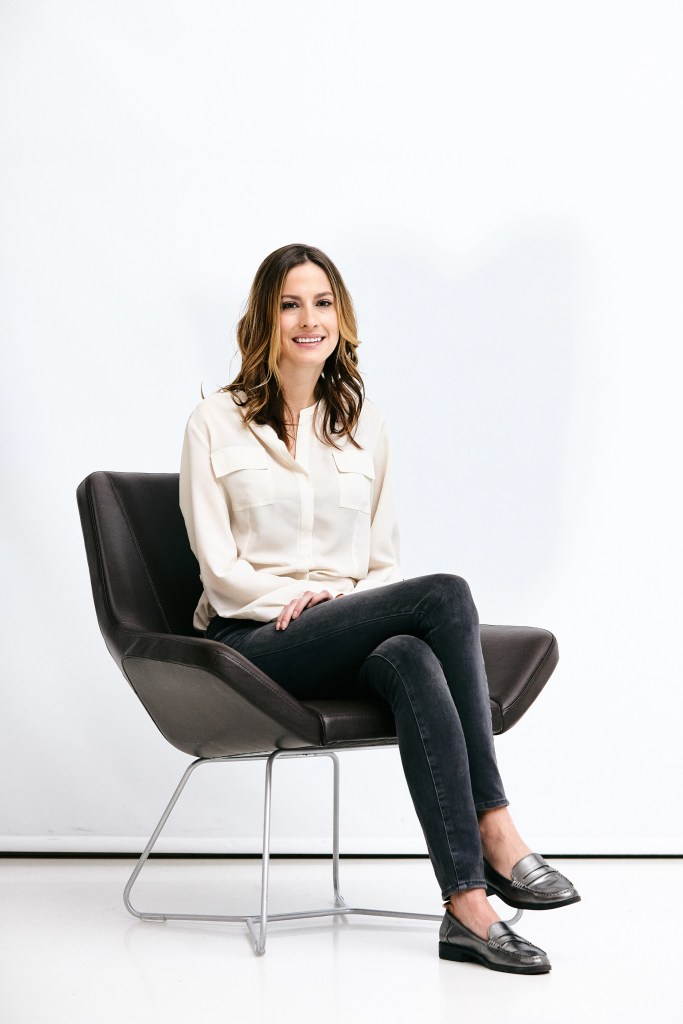
“Many brands are embracing the need to engage and include people with disabilities. But when they include people with disabilities in creative content, we need to be seen for who we are — beyond our disabilities — without ignoring the fact that we have one.”
Christina Mallon,Wunderman Thompson 包容性设计和无障碍主管
Christina Mallon leads Inclusive Design at Wunderman Thompson, where she consults with brands on implementing inclusive design practices into their business strategies. She is at the forefront of an important movement toward inclusivity in design and advertising. At the start of Christina’s professional career, her arms slowly became paralyzed. The transition to “disabled” was challenging, but has never slowed her down. As a young digital marketing professional starting her career with a disability, she felt under-represented as a consumer. Rather than being discouraged, she recognized the opportunity to build awareness and make a measurable impact within the industry. This realization inspired her to start an inclusive design practice at Wunderman Thompson. Read more about Christina’s work here 和 here.
A recent Nielsen survey found that people with a disability are more likely to feel that there is insufficient representation of their identity group on TV. The lack of representation in linear TV and advertising, which reaches more than 80% of the adult U.S. population, may be why disabled social media influencers and creators often carry the weight of rewriting the narrative around the media’s presentation of disability. From educating on inclusive language to the proliferation of captions for video segments across TikTok or Instagram, disability representation and inclusion topics are advancing at the grassroots level while more traditional media catches up. Influencers like TikTok’s @Scarlet_may.1, Instagram’s @Chelsiehill, @blindishlatina, @Christina_disarmed, among others share their personal stories through relatable content. Influencers are stepping in to share product hacks and recommendations of inclusive brands to diverse followers including people with disabilities, their loved ones and allies—all consumers open to spending on brands that take action on causes they care about.
立即行动
While progress is being made to increase the visibility of disability, there are immediate steps that the advertising industry can take to accelerate it. Engaging with organizations that are leading the charge to improve representation in media, such as RespectAbility and ReelAbilities, can help brands fine tune future strategies, especially as many look ahead to 2022. When it comes to creative development, brands can cast more disabled people and develop more inclusive storylines, while being careful not to slip into “inspiration porn,” which is often used to motivate non-disabled people at the expense of the disabled experience. When planning a campaign, brands must include various formats and accessibility features to accommodate a variety of people living with different disabilities. Brands can also improve representation in their organizations by hiring more people living with disabilities, like many organizations that are part of the Valuable 500.
残疾生活是数百万人的现实,也是人们希望在他们消费的内容中看到真实描绘、在他们购买的品牌中得到反映的多样化身份的一部分。无论是看得见还是看不见的残疾,慢性病患者或其他残疾人士的独特视角都能丰富品牌的包容性努力和残疾消费者的体验。承认残障人士是目标消费群的重要组成部分,意味着要了解您的产品或服务如何为他们的体验带来独特的附加值。