今天是 "亚太裔传统月"(Asian American Pacific Heritage Month),尽管当前危机重重,但亚裔美国人仍有许多值得庆祝的事情。多年来,这个快速增长、高度多样化的多元文化群体在很大程度上被营销人员忽视,原因从 "太多不同的亚文化 "到 "太多不同的语言",再到 "一般的市场广告都能覆盖到他们"。我们看到,现在的亚裔美国人比以往任何时候都更加活跃(他们是美国增长最快的多元文化群体,购买力高达 1.2 万亿美元),这为品牌与他们建立信任和情感联系提供了更多机会。
Asian Americans have always led the way with digital adoption. According to our latest Total Audience Report, 90% of all Asian American households own internet-connected TV devices, compared with 76% of the total U.S. population. While this trend is not new, the sheer amount of streamed content and the use of internet-connected devices among Asian American homes continues to grow. Today, more than ever, marketers are relying on digital platforms to sell their products. As early digital adopters, Asian American consumers can help deliver an immediate sales boost for those digitally savvy brands who make the effort to target them where they are.
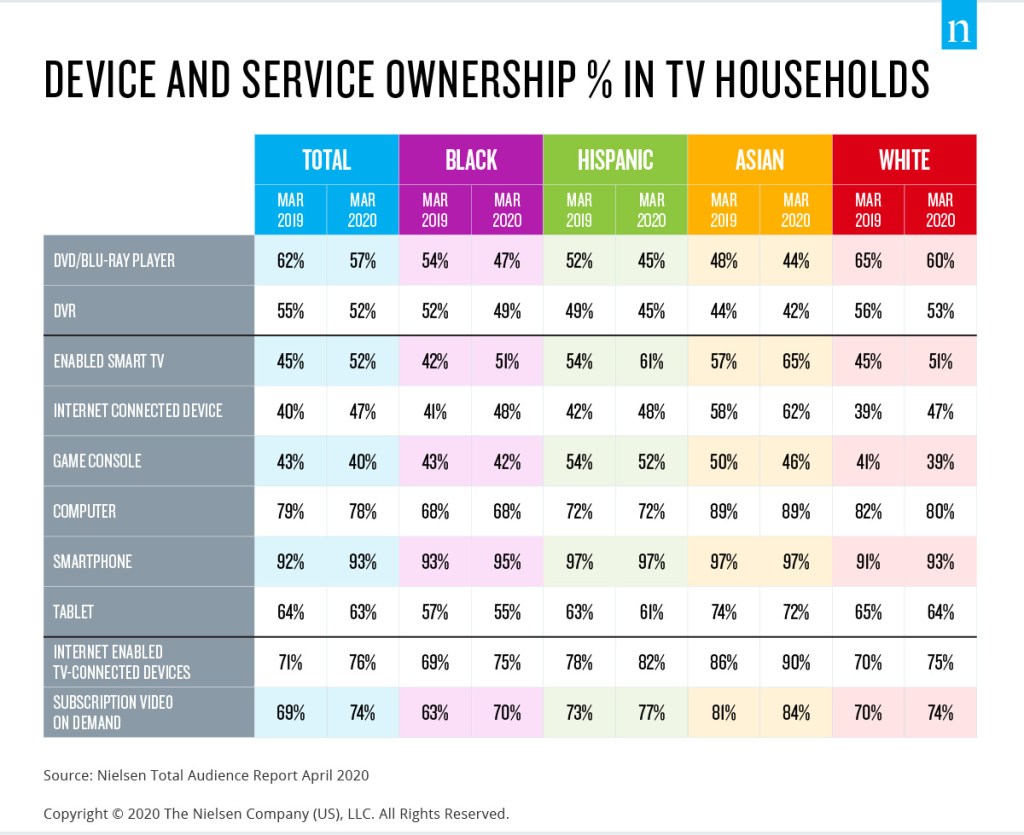
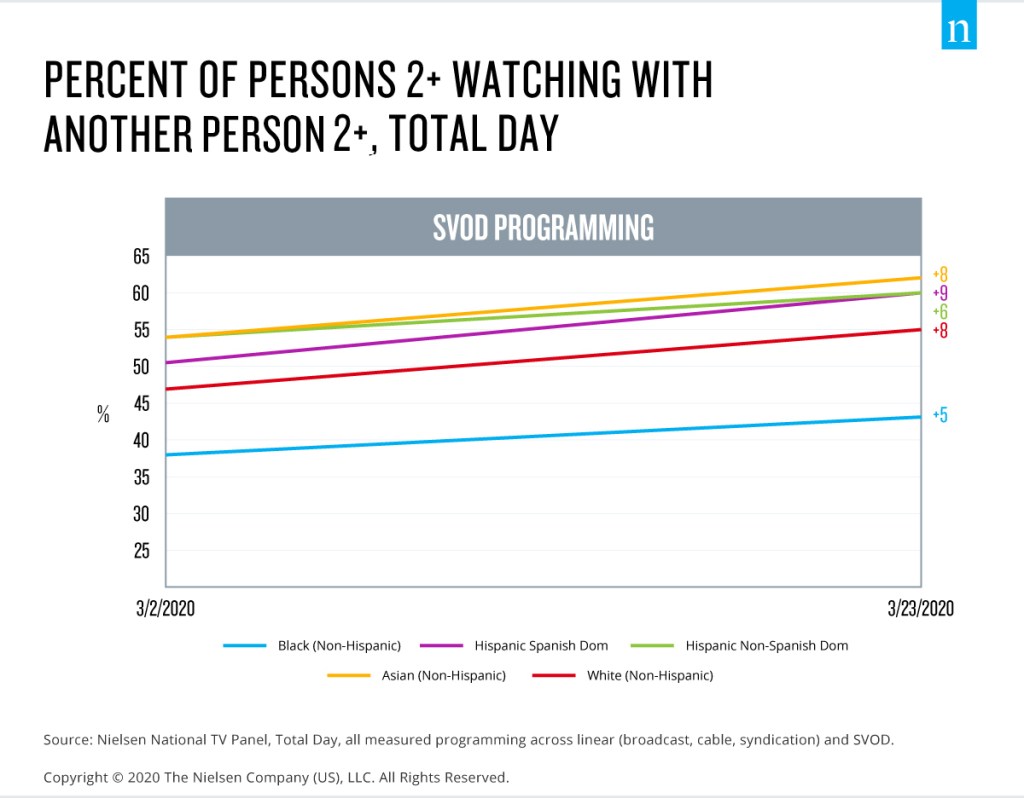
But simply owning an internet-connected device doesn’t necessarily mean that it’s being used to stream content. Within Asian American households, however, subscription video on-demand (SVOD) services are almost essential, as 84% subscribe to at least one streaming service, 10 percentage points higher than the total population. Marketers that include content marketing in their marketing mix stand to gain an advantage in reaching Asian Americans. And given the rising consumption of streaming content across all demographics, content creators are ensuring there’s something for everyone. Asian American households are often multigenerational, and they’re the most likely to include family members who stream content with another person. Given co-viewing trends across Asian American households, it’s no surprise to see a wide range of popular programs with these audiences in mind, such as Parasite, Kim’s Convenience and rom-com Tigertail (not to be confused with Tiger King).
然而,营销人员和内容创作者并不需要仅仅依靠视频内容来吸引亚裔美国人。现在,营销人员比以往任何时候都能通过游戏和电竞直播流更好地接触到 18-34 岁年龄段的年轻、富裕的亚裔美国人。年轻的亚裔美国人拥有大量的屏幕时间,尤其是在人们花更多时间在室内的时期,他们是一个利润丰厚的受众群体。超过四分之一的亚裔美国游戏玩家表示,他们在过去三个月中观看过电竞比赛直播,40% 的玩家每周观看游戏视频内容的时间超过 5 小时。
即使在亚裔美国人游戏社区中,也有机会按游戏类型和跨设备细化目标市场。例如,44% 的亚裔美国游戏玩家在过去三个月里玩过《糖果粉碎机》等益智游戏,而这些游戏主要是在智能手机上玩的。这些游戏更适合家庭友好型品牌。此外,33% 的人玩过《文明》等策略游戏,19% 的人玩过在线赌场游戏,这些游戏通常是在电脑上玩的--这些都是接触个人成年游戏玩家的绝佳平台。

在媒体领域,亚裔美国人所做的不仅仅是观看和游戏。许多人都是活跃的内容创作者,许多人都已成为有影响力的人物,营销人员应考虑与他们合作,创作能够建立信任并与亚裔美国人市场产生共鸣的内容。长期以来,亚裔美国人的角色往往被描绘成武术家或笨拙的书呆子。如果亚裔美国人扮演的角色没有发言权,他们就会被塑造成便利店或洗衣店的老板,而且总是外国人。
Times have changed, and Asian Americans have taken the spotlight in an array of roles and programming that highlight their true stories and heritage. In the early 2000s, for example, YouTube came on the scene. Then came blogs, social media and mobile video platforms, which offered Asian American artists the creative freedom to tell their stories, independent of Hollywood’s traditional gatekeepers. Today, streaming platforms offer a new stage for Asian American voices. Actors like Ken Jeong, Mindy Kaling, Ali Wong and Awkwafina are also taking over behind the camera. These authentic voices have helped galvanize the Asian American community. Instead of wondering what the future holds, brands can shape that future alongside the Asian American community.
Learn more from our latest Asian American Diverse Intelligence Series report.