作者:尼尔森首席工程师 Arun Ramaswamy 和尼尔森音频总经理 Brad Kelly
尼尔森对音频如此乐观是有原因的。自去年二月以来,在便携式人表(PPM)市场中,6 岁及以上人群的平均每季度音频收听率(AQH)增长了 13%。收听率的同比增长反映出我们的 PPM 测量系统有了显著改善。
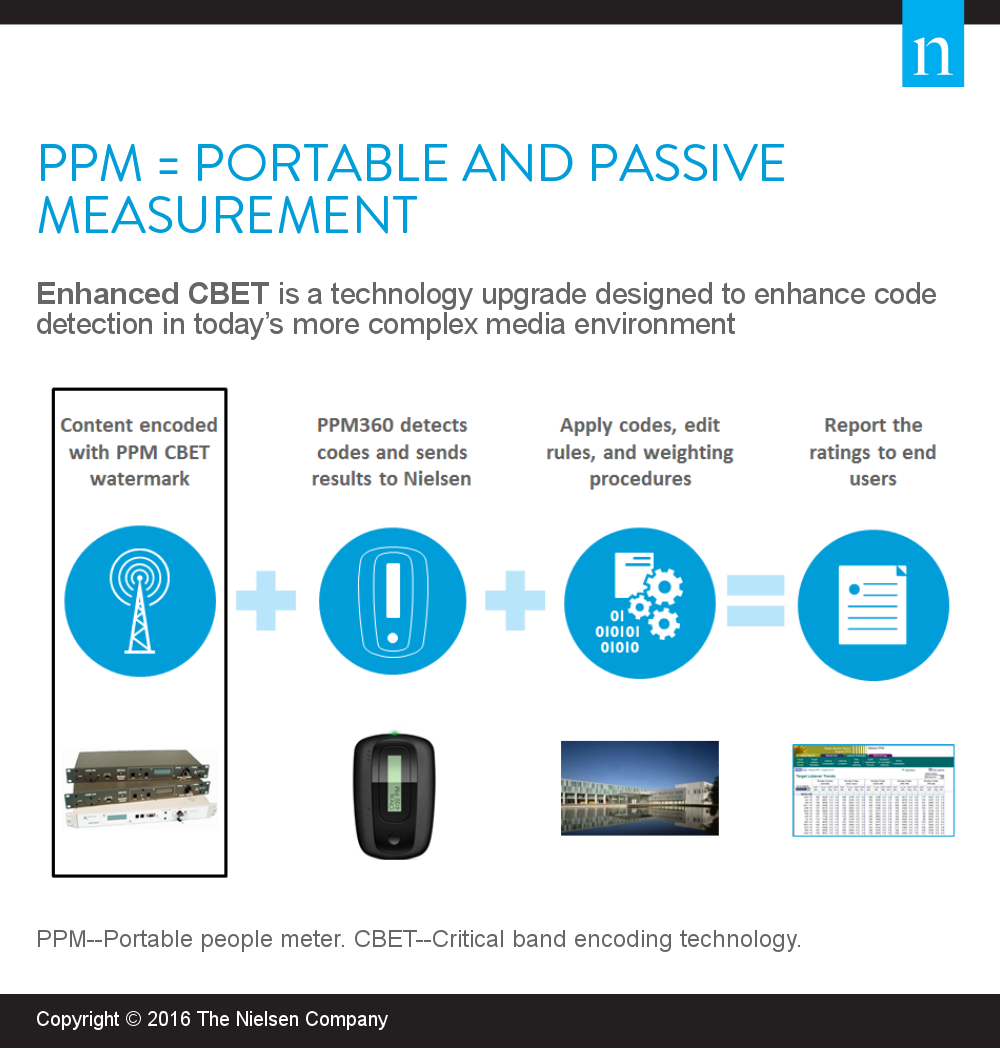
PPM 是美国 48 个顶级广播市场的音频货币。使用 PPM 时,代表性小组中的每个人都携带一个小型便携式设备,用于检测广播内容中嵌入的不可听代码。PPM 的便携性对于测量音频至关重要,因为大多数美国人都是在旅途中--汽车上、工作中或购物途中--收听广播的。此外,PPM 是被动式的,这意味着小组成员不需要按下按钮或记下他们收听的内容。
我们用于嵌入音频内容的专利技术称为临界带编码技术(CBET)。广播公司将其音频内容嵌入这些 CBET 代码,而 PPM 设备则被动地检测每个小组成员对编码内容的接触情况。
去年,作为持续改进计划的一部分,我们与业界合作更新了 "收听 "的定义。我们的目标是使音频指标与其他媒体保持一致,更好地反映更复杂的消费环境,即更多地接触各种媒体以及更多的同时使用。结果,我们在去年第四季度推出的 CBET 得到了显著增强。
"尼尔森首席工程师阿伦-拉马斯瓦米(Arun Ramaswamy)说:"我们发现,增强型 CBET 使 PPM 代码更强、更稳健,从而提高了在低音量和/或高背景噪声条件等具有挑战性的声学环境中的代码检测能力。"增强型 CBET 在部署前在实验室和现场进行了全面测试,我们收到了来自不同无线电集团的技术专家团队的广泛反馈。我们将继续与客户密切合作,实施这项技术。
实地测试发现,与之前版本的 CBET 相比,接受测试的电台的 AQH 受众平均增加了约 15%。测试发现,增强型 CBET 提高了所有格式电台的检测率。此外,演播室测试表明,增强型 CBET 不会影响音频质量。
自 2015 年 11 月开始推广以来,已有近 3,000 个美国电台升级到增强型 CBET。这代表了我们四分之三的用户和约 80% 的 PPM 测量分钟数。
现在,大多数电台都加强了 CBET,我们看到了实际效果。6 岁及以上人群的收听率同比增长 13%,这与我们在现场测试中看到的增长情况非常相似。但在难以接触到的千禧一代(18-34 岁)和 25-54 岁的关键购买人群中,两位数的增长尤其令人印象深刻。
//e.infogr.am/js/embed.js?vBKThese effects were also felt across the industry—each of the major format categories gained compared to last year. Spanish Language, Urban, Spoken Word, Adult Contemporary (AC) and Classic Hits/Oldies formats each had increases that exceeded the overall average. //e.infogr.am/js/embed.js?daJ
增强型 CBET 的采用和结果是音频行业向前迈出的积极一步。这一改进使音频衡量标准更接近于其他媒体的衡量标准,更适合当今更加复杂的媒体环境,使广播公司和广告商都能从中受益。而且,由于它是在全系统基础上提供的,并以统一的方式应用于各广播站,因此它使竞争环境更加公平。
Enhanced CBET is one example of how Nielsen continues to innovate to help clients take advantage of new opportunities and demonstrate the value of the radio audience. But it’s just one of many steps we’re taking. We also recently announced the launch of our new Nielsen Digital Audio Ratings service to quantify broadcast radio’s online consumption. Nielsen Digital Audio Ratings provides a comprehensive view of listening across all platforms, including listening on smartphones, tablets and computers. In addition, we recently conducted ground-breaking studies that revealed audio’s ability to drive a strong return on ad spend. For example, one of the studies found that department stores experienced $17 dollars of incremental sales for each ad dollar they spent in radio. These studies have helped radio spotlight its sales and marketing impact for advertisers.
In fact, radio continues to represent a big opportunity for advertisers and retailers. It is the medium with the highest weekly reach—93% of the total population tunes in during the week.[1] Plus, radio users spend nearly two hours and 45 minutes each day with audio, second only to TV and higher than app/web usage on a mobile device and Internet on the PC[2], which is especially noteworthy considering today’s highly fragmented competitive landscape.
"尼尔森音频公司总经理布拉德-凯利(Brad Kelly)说:"所有这些令人印象深刻的指标都证明了音频媒体的实力和价值。"我们很高兴能找到新的方法来帮助该行业将其宝贵的受众货币化,并发现新的机遇。
[1] Nielsen Comparable Metrics Report, Q3 2015
