สำมะโนประชากรของสหรัฐฯ มีบทบาทสำคัญในความสำเร็จและความแม่นยำของการวัดผลสำหรับ Nielsen และธุรกิจอื่นๆ ทั่วอเมริกา เมื่อสำมะโนประชากรปี 2020 ที่จะถึงนี้มีแนวโน้มว่าจะมีการนำคำถามเกี่ยวกับสถานะพลเมืองเข้ามาใช้ ผู้ร่างกฎหมาย ธุรกิจ และนักเคลื่อนไหวต่างรวมตัวกันคัดค้าน จนศาลฎีกาปฏิเสธเหตุผลในการนำคำถามดังกล่าวเข้ามาใช้
สำหรับ Nielsen การเป็นผู้นำในประเด็นนี้ถือเป็นเรื่องสำคัญที่สุด เนื่องจากสำมะโนประชากรเป็นหนึ่งในแหล่งข้อมูลหลายแหล่งที่เราใช้ในการปรับเทียบคณะกรรมการและกระบวนการต่างๆ ของเราอย่างแม่นยำ Nielsen เชื่อว่าการรวมคำถามเกี่ยวกับสถานะพลเมืองเข้าไปอาจทำให้ข้อมูลพื้นฐานไม่ถูกต้องแม่นยำ ซึ่งอาจส่งผลกระทบอย่างมีนัยสำคัญต่อธุรกิจที่ต้องพึ่งพาข้อมูลดังกล่าวในการตัดสินใจที่สำคัญในแต่ละวัน
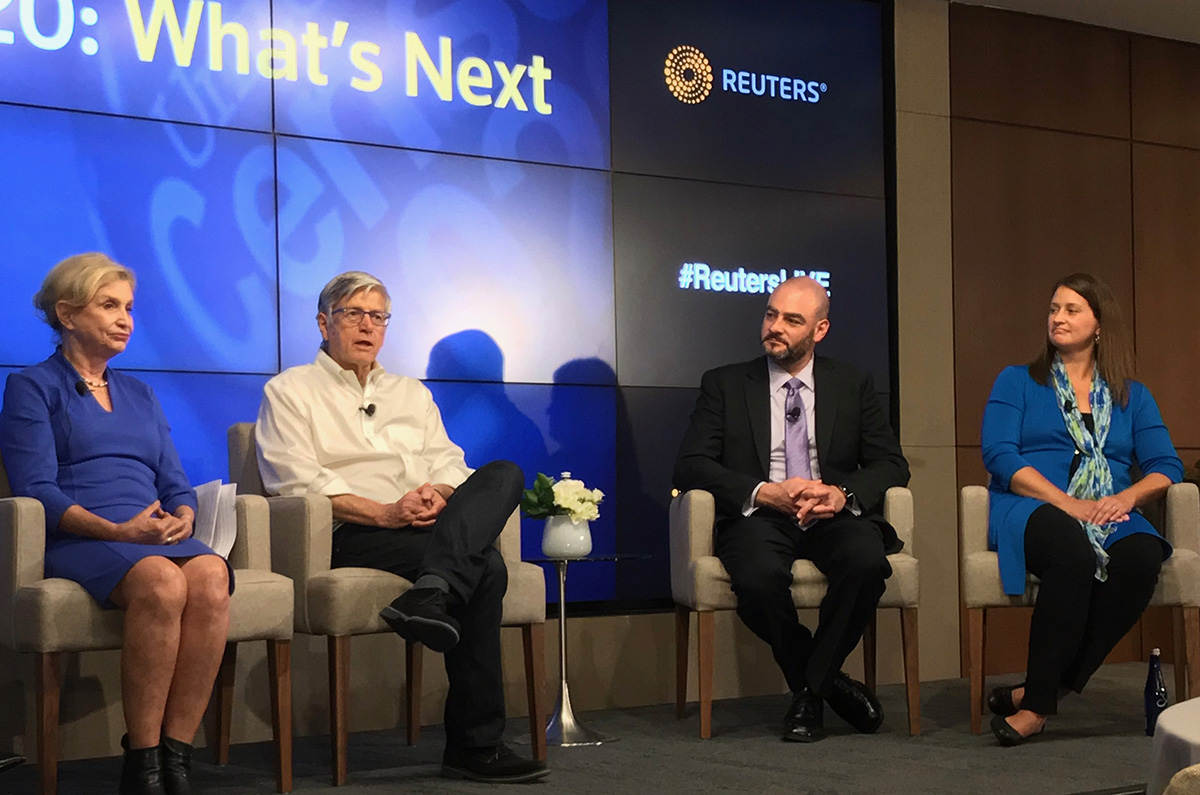
Christine Pierce รองประธานอาวุโสฝ่ายวิทยาศาสตร์ข้อมูลของ Nielsen ขึ้นเวทีในนิวยอร์กซิตี้ในงานของ Reuters Newsmaker เพื่อพูดคุยเกี่ยวกับความสำคัญของความแม่นยำและความสมบูรณ์สำหรับสำมะโนประชากรของสหรัฐฯ ที่กำลังจะมีขึ้นในปี 2020 โดยแบ่งปันความสนใจกับสมาชิกสภาผู้แทนราษฎร Carolyn B. Maloney (เขตเลือกตั้งที่ 12 ของนิวยอร์ก) อดีตผู้ได้รับการแต่งตั้งจากกระทรวงยุติธรรม Justin Levitt และอดีตผู้อำนวยการสำมะโนประชากร Kenneth Prewitt Pierce ได้เล่าให้ฟังอย่างเต็มห้องว่าเหตุใด Nielsen จึงมีจุดยืนที่แข็งกร้าวมากขนาดนั้นในการคัดค้านการเพิ่มคำถามเกี่ยวกับสถานะพลเมือง บริษัทภาคเอกชนอย่าง Nielsen พึ่งพาสำมะโนประชากรเป็นพื้นฐานสำหรับชุดความจริงได้อย่างไร และความเสี่ยงทางวิทยาศาสตร์หากไม่มีผลสำมะโนประชากรที่มากพอ
In regard to Nielsen’s stance on a potential citizenship question on the upcoming Census, Pierce noted a core scientific principle of pre-testing the questions statistical veracity “The fact that it wasn’t tested and the fact that it’s a sensitive…and not a necessary question…[is] why we took a stand [against it]. It’s not the right question to be asking on the Census.“
Congresswoman Maloney lauded Nielsen for being one of the few companies to take a public position on this matter in a big way. “I do want to publicly thank Nielsen for speaking out on the Census,” said Congresswoman Maloney. “The business community which had always had a very active role in the Census..they were very big, big supporters of it because they use the data…was quiet. No one was speaking out… No one was speaking out and then Nielsen came out and spoke out…it really meant a lot.and I think had a very important impact.”
นอกจากนี้ เพียร์ซยังเน้นย้ำถึงความสำคัญของข้อมูลสำมะโนที่แม่นยำจากมุมมองของนีลเส็นด้วยเช่นกัน เนื่องจากข้อมูลสำมะโนที่ไม่แม่นยำอาจส่งผลเสียต่อวิธีที่ธุรกิจต่างๆ ใช้ข้อมูล และส่งผลอย่างมากต่อผู้ที่ต้องพึ่งพาข้อมูลดังกล่าวในการตัดสินใจที่สำคัญในแต่ละวัน
“It’s such an integral part of our business…advertisers, large corporations, networks, publishers and radio stations are all coming to Nielsen to ask ‘How many eyeballs saw this ad, how many people heard this radio program’ and all of that is benchmarked to the Census,” she said. “Everyday we’re using some aspect of the Census—if it’s off, it’s off for a decade.”
Pierce and Congresswoman Maloney shared similar sentiments regarding the potential fallout from an inaccurate Census as the result of a citizenship question being asked. “If your data is not correct, then your policy isn’t correct…your planning isn’t accurate,” Maloney stated. “If you’re not counted, you’re not represented.”
