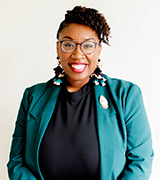
การส่งเสริมให้ผู้คนที่เคยถูกกีดกันมาเป็นผู้นำในอุตสาหกรรมสื่อหมายถึงการนำความสามารถและประสบการณ์ชีวิตของพวกเขาออกมาเผยแพร่ การเล่าเรื่องราวอันเป็นเอกลักษณ์ของพวกเขามักเป็นโอกาสให้ผู้ชมเชื่อมโยงกับตัวละครหรือพาดหัวข่าวที่แสดงถึงเส้นทางของพวกเขาได้อย่างลึกซึ้งยิ่งขึ้น ซึ่งมิฉะนั้นพวกเขาอาจมองไม่เห็น ตัวอย่างล่าสุดที่เกิดขึ้นในฐานะปัญหาสุขภาพที่สำคัญซึ่งส่งผลกระทบต่อชุมชนคนผิวสีได้กลายเป็นประเด็นสำคัญในช่วงปลายปี 2021 และฉันไม่ได้หมายถึง COVID-19
For those that haven’t binged Amazon Prime’s new show Harlem, episode seven, aptly titled “The Strong Black Woman,” hits a little too close to home.
[Spoiler alert: this paragraph contains spoilers from Harlem.] The Harlem crew’s resident boss Tye, portrayed by Jerrie Johnson, is trying to push through crippling abdominal and back pain until finally she ends up having emergency surgery. The diagnosis? A ruptured cyst. And the suggested treatment? A hysterectomy. From the doctor’s hesitancy to prescribe appropriate pain medication to the dismissive approach to a potentially life-altering course of treatment, this episode was tragically a very relatable portrayal of disparities in Black women’s health care.
ในปี 2013 ฉันได้รับการวินิจฉัยว่าเป็นโรคที่เจ็บปวดและพบได้บ่อยเช่นกัน นั่นก็คือ เนื้องอกในมดลูก ประสบการณ์ส่วนตัวของฉันมุ่งเน้นไปที่การผ่าตัดนานหกชั่วโมงเพื่อเอาเนื้องอกที่ไม่ร้ายแรงหลายก้อนออก ซึ่งมีเส้นผ่านศูนย์กลางแตกต่างกันไปตั้งแต่ขนาดลูกกอล์ฟไปจนถึงขนาดเกรปฟรุต ฉันจำคำแนะนำที่ไม่จริงจังที่ว่า "แค่มีลูกก็พอ" ก่อนเข้ารับการผ่าตัด ซึ่งเรียกว่า การตัดเนื้องอกในมดลูกได้ ฉันจำความเครียดและความวิตกกังวลก่อนและหลังการผ่าตัดได้ และฉันจำได้ว่าร้านขายยาในท้องถิ่นไม่ได้จ่ายยาแก้ปวดให้ครบตามใบสั่งแพทย์หลังจากที่ฉันผ่าตัด และแพทย์ของฉันก็โกรธมากที่นัดตรวจหลังผ่าตัด เมื่อเขารู้ว่าฉันพักฟื้นอยู่ที่บ้านโดยกินยาได้เพียงสามวัน
While Tye’s case demonstrated the disruptive impact of ovarian cysts, her story was also closely relatable to me—and the 26 million women between the ages of 15 and 50 that develop uterine fibroids, according to the U.S. National Library of Medicine. For Black women in particular, reproductive health conditions and the ongoing obstacles to compassionate, informed and effective treatment that too often accompany them, are a common part of life. How common? Nielsen Scarborough data shows that Black women between the ages of 35 to 49 are nearly six and a half times more likely to have been diagnosed with fibroids.
And the percentage of young Black women impacted by fibroids is staggering—especially considering the emotional toll of the diagnosis along with the physical symptoms. A recent study in the American Journal of Obstetrics & Gynecology found that the stressors related to a fibroids diagnosis can be just as debilitating as a diagnosis of heart disease, diabetes, or even breast cancer. Groups like The White Dress Project have been working for years to raise awareness, advance legislation and provide a support network for those living with fibroids and seeking treatment. But the power of representative storytelling in both scripted television and news content ensures an even greater reach on this topic; one that remains largely silent outside the Black community and Black media.
Nielsen’s recent Being Seen On Screen report revealed that programs with Black women in the writer’s room delivered content that not only centered Black women on screen, but also offered different context in how they were portrayed. On a program like Harlem, that’s created, led and mostly written by Black women, it’s no wonder the impact of this pervasive health crisis and the obstacles many of us face seeking treatment became a centerpiece of a character’s story. But their program wasn’t the only one to boldly confront key issues facing Black reproductive health last year. Tiffany Cross, host of MSNBC’s Cross Connection, revealed she underwent the oft recommended hysterectomy to end her years-long battle with fibroids. It was the first time I’d seen the details of the condition, let alone this course of treatment openly discussed by an anchor on TV.
So little about how these conditions develop—and why they impact Black people at higher rates—remains unknown. But television can play an important role in raising awareness as well as empathy. Importantly, Black women are twice as likely to seek out TV content where they’re seen on screen. This means there’s an opportunity to amplify the need for research, prevention, and less invasive procedures—as well as normalizing consultative and nondiscriminatory care.
อย่างที่คุณน่าจะเห็นตลอดเดือนประวัติศาสตร์คนผิวสีและการเน้นย้ำด้านสุขภาพและความสมบูรณ์ของร่างกาย ยังคงมีหนทางอีกยาวไกลในการแก้ไขปัญหาความไม่เท่าเทียมกันในระบบดูแลสุขภาพของเรา แต่ฉันหวังว่าเราจะยังคงได้เห็นผู้หญิงผิวสีเน้นย้ำถึงความแตกต่างและสร้างแรงบันดาลใจให้เกิดการเปลี่ยนแปลงในขณะที่ความหลากหลายที่มีความหมายยังคงแทรกซึมเข้าสู่วงการสื่อ