For consumers around the globe, mobile phones have become ubiquitous—providing instant, real-time access to information, social networks, entertainment and connectivity. In Africa, the world’s second-largest mobile market behind Asia, that connectivity has super-charged the mobile money industry, with Sub-Saharan Africa (SSA) now accounting for 43% of the world’s active mobile money accounts.
การนำบริการชำระเงินผ่านมือถือ (m-payment) มาใช้กันอย่างแพร่หลาย ซึ่งเพิ่มขึ้นอย่างรวดเร็วในช่วงการระบาดของ COVID-19 ทำให้ชาวแอฟริกันจำนวนมากหันมาใช้สกุลเงินดิจิทัลเป็นขั้นตอนต่อไปโดยธรรมชาติ ซึ่งเป็นสิ่งที่แตกต่างไปจากระบบธนาคารแบบเดิมและช่วยปกป้องจากการลดค่าเงิน ในความเป็นจริง กระแสความนิยมในสังคมเกี่ยวกับคำว่า "สกุลเงินดิจิทัล" ในหลายประเทศของแอฟริกาเพิ่มขึ้นในปีนี้ โดยได้รับแรงหนุนจากการเปิดตัวสกุลเงินดิจิทัล แพลตฟอร์มการชำระเงิน และแอปพลิเคชันบล็อคเชนที่มีชื่อเสียงมากมาย
SSA has been at the forefront of the mobile money industry for over a decade, largely because a growing network of fintech companies have stepped in to provide digital payment options to consumers who lack access to a formal savings account or credit. According to the Fintech Times, approximately 57% of the country’s population do not have a traditional bank account. Comparatively, the วอลล์สตรีทเจอร์นัล reported late last year that SSA alone is now home to nearly half of the world’s 1.04 billion registered mobile money accounts.
การนำบริการธนาคารบนมือถือมาใช้ในระดับสูงในแอฟริกา ประกอบกับความจริงที่ว่าทวีปนี้มีประชากรอายุน้อยที่สุดในโลก ทำให้ความสนใจและการรับรู้เกี่ยวกับสกุลเงินดิจิทัลเพิ่มมากขึ้น และเนื่องจากผู้บริโภคเหล่านี้เป็นกลุ่มที่อายุน้อยที่สุดในโลก การชำระเงินแบบดิจิทัลและสกุลเงินดิจิทัลจึงมีความน่าดึงดูดใจมากกว่าบริการธนาคารแบบดั้งเดิมมาก สำหรับผู้บริโภคที่ให้ความสำคัญกับอุปกรณ์เคลื่อนที่เหล่านี้ การชำระเงินแบบดิจิทัลและสกุลเงินดิจิทัลมอบอิสระทางการเงินและความเป็นอิสระ และพวกเขายังมองในแง่ดีเกี่ยวกับแนวโน้มในอนาคตของสกุลเงินดิจิทัลอีกด้วย สิ่งนี้นำเสนอโอกาสอันโดดเด่นสำหรับผู้ให้บริการ แพลตฟอร์ม และบริการต่างๆ ในภูมิทัศน์ด้านโทรคมนาคมและบริการทางการเงิน
Adoption of crypto currencies, particularly across emerging economies, has skyrocketed this year, with blockchain data company Chainalysis reporting global adoption growth of more than 2300% between Q3 2019 and Q2 2021. Africa represents the world’s smallest crypto economy (2% of global value), but the prominence of this form of money is accelerating adoption. In fact, Nigeria, Africa’s largest economy, recently became the first nation on the continent to roll out its own digital currency: the eNaira.
But buzz about crypto started well before the introduction of the eNaira. Many consumers across the continent began learning about digital currencies when Senegalese-American singer and entrepreneur Akon announced plans in 2018 to build a blockchain and crypto currency-powered city in Senegal. Consequently, Akon’s “Akoin” currency that he wants to power Akon City, his planned sustainable smart city in Senegal, is among the most popular crypto topics that Nielsen has been tracking across the media landscape.
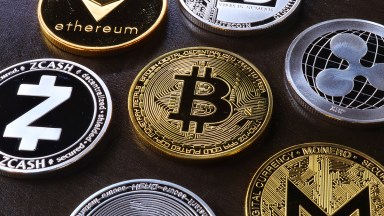
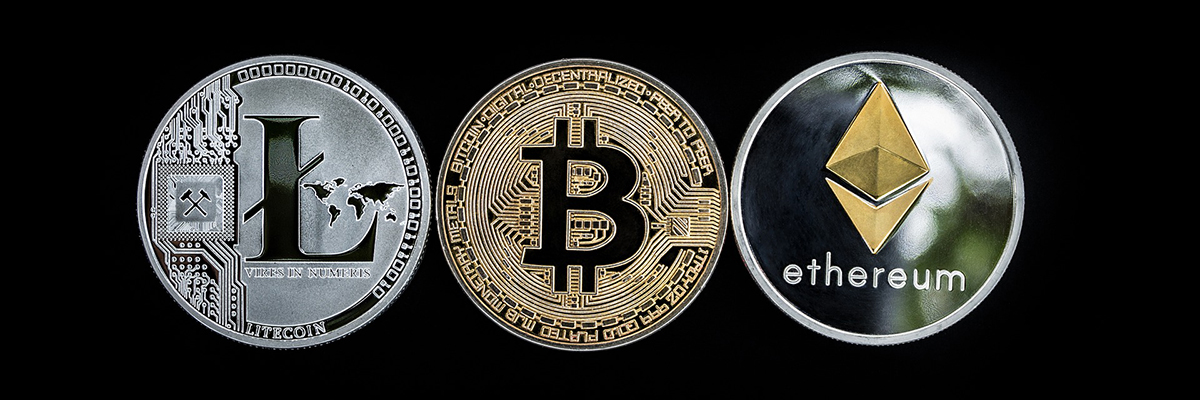
Despite the buzz about Akon and Akoin, however, Bitcoin is the most discussed crypto currency in Africa, accounting for 63% of conversations about digital currencies, followed by Ethereum (10%) and Doge (7.5%). More importantly, overall consumer sentiment about digital currencies is neutral to positive. While growing and lucrative—even sanctioned by governments—the crypto landscape is fertile for scams, with many attaching themselves to aspects of pop culture, including the recent Squid Game cryptocurrency.
As technology advances infrastructures and sustainable development, fintech will grow to play a particularly important role for emerging economies. Strategy&, PwC’s consulting business, expects cashless transaction volume in Africa to increase 78% through 2025 and then 64% between 2025 and 2030.
ด้วยโอกาสมากมายที่รออยู่ข้างหน้า ธุรกิจต่างๆ จะต้องพัฒนาและรักษาความสัมพันธ์ที่ดีกับผู้บริโภค เนื่องจากผู้บริโภคมีตัวเลือกมากมายและเพิ่มมากขึ้นเรื่อยๆ เช่นเดียวกับความพยายามทางการตลาดอื่นๆ แบรนด์ต่างๆ จำเป็นต้องพิสูจน์คุณค่าของตนต่อผู้บริโภค พยายามรักษาความภักดีของลูกค้า และให้ผู้บริโภคเป็นศูนย์กลางของทุกสิ่งที่ทำ