https://nielsen.wistia.com/medias/ubvsgmawk5?embedType=async&videoFoam=true
Living with a disability is increasingly a part of everyday life. Whether the disability is seen or unseen, more than a quarter of the U.S. population has one, and many of us who aren’t disabled are likely to know someone who is living with one. We know that media has the power to shift the narrative around disability by better reflecting the real lived experience of people with disabilities. So, while film and TV content have made progress in depicting stories of disability, as evident in the surge of programming inclusive of disabilities and related themes over the last 10 years, advertising featuring people with disabilities lags far behind. With a $21 billion market potential, advertisers cannot afford to miss the opportunity to engage with the disabled community and their allies.
การปรากฏตัวของความพิการในการสร้างสรรค์งานโฆษณา
Most of the time, disability is absent from advertising, except when it’s focused on products that treat disabilities. Rarely do ads show disabled people in everyday life, such as working, parenting, household chores or enjoying activities. In a custom analysis of Nielsen Ad Intel data, we looked at nearly 450,000 primetime ads on broadcast and cable TV in February 2021. Of those ads, just 1% included representation of disability-related themes, visuals, or topics.
เมื่อพิจารณาถึงกลุ่มเป้าหมายผู้บริโภคที่กระตือรือร้นนี้ โอกาสที่พลาดไปในการนำเอาคนพิการเข้ามาเป็นส่วนหนึ่งของข้อความของแบรนด์ในชีวิตประจำวันอาจมีราคาแพง แบรนด์ต่างๆ มีโอกาสที่จะนำภาพและประสบการณ์ชีวิตของคนพิการมาใส่ไว้ในข้อความและการออกแบบผลิตภัณฑ์โดยไม่ต้องเน้นที่เรื่องนี้ อุตสาหกรรมสื่อ การตลาด และโฆษณามีโอกาสที่จะช่วยขจัดอคติทางสังคมที่มีต่อคนพิการด้วยการทำให้คนพิการเป็นที่สังเกตมากขึ้น
การใช้จ่ายโฆษณาสำหรับโฆษณาที่รวมผู้พิการไว้ด้วยกัน
ฮอลลีวูดได้พัฒนาก้าวหน้าในการถ่ายทอดความพิการ แต่ยังต้องดำเนินการอีกมากเพื่อมอบโอกาสเพิ่มเติมให้กับผู้มีความสามารถที่มีความพิการ จากการวิเคราะห์ของเราพบว่าการใช้จ่ายโฆษณาที่รวมถึงผู้พิการและธีมที่เกี่ยวข้องกับความพิการในเดือนกุมภาพันธ์มีมูลค่ารวมเกือบ 57 ล้านดอลลาร์ แต่มีเพียง 3% เท่านั้นที่ใช้จ่ายกับโฆษณาที่มีผู้พิการหรือมีธีมเกี่ยวกับความพิการในการสร้างสรรค์
ทั้งนี้ ยา การบำบัดรักษาทางการแพทย์ อุปกรณ์ และสิ่งที่คล้ายกันคิดเป็นเกือบ 50% ของค่าใช้จ่ายทั้งหมดในการโฆษณาที่ครอบคลุมถึงความพิการ แม้ว่าการบำบัดรักษาและการจัดการดูแลจะถือเป็นส่วนสำคัญของการใช้ชีวิตกับความพิการ แต่สิ่งสำคัญคือการใช้ชีวิตกับความพิการควรได้รับการมองว่าเป็นมากกว่าแค่ใบสั่งยา นักโฆษณามีโอกาสที่จะนำเสนอผู้พิการในชีวิตประจำวัน โดยมีส่วนร่วมกับผลิตภัณฑ์และบริการที่แบรนด์ต่างๆ นำเสนอ
เมื่อโฆษณามีความครอบคลุมมากขึ้น โฆษณาก็จะส่งผลกระทบต่อผู้ชมทุกกลุ่ม ไม่ใช่แค่ผู้พิการเท่านั้น อย่างไรก็ตาม ความครอบคลุมหมายถึงการที่โฆษณาจะครอบคลุมทุกหมวดหมู่มากขึ้น ไม่ใช่แค่ในกลุ่มผลิตภัณฑ์ยาเท่านั้น การนำเสนอในลักษณะนี้มากเกินไปอาจเสริมสร้างภาพลักษณ์แบบแผนของผู้พิการได้ เมื่อแบรนด์จากอุตสาหกรรมที่หลากหลายมากขึ้นครอบคลุมผู้พิการมากขึ้นในการสร้างสรรค์ผลงาน แบรนด์เหล่านี้จะช่วยสร้างสมดุลให้กับเรื่องราวและทำให้การใช้ชีวิตกับผู้พิการเป็นเรื่องปกติ
การได้รับมันอย่างถูกต้อง
Highlighting the impact that living with a disability can have on consumers’ experience with a product reinforces a sense of belonging. It also has the potential to drive dramatic change in people’s daily lives. But to be authentic in targeting, advertisers must have the right team to craft an informed and inclusive message. Christina Mallon, influencer, activist and Global Head of Inclusive Designer and Digital Accessibility at Wunderman Thompson is at the forefront of raising awareness, increasing accessibility and innovating with brands for people living with disabilities. Not only is she an expert in her field, but she’s also clear about how brand messaging and products impact her own life every day as a person with a physical disability.
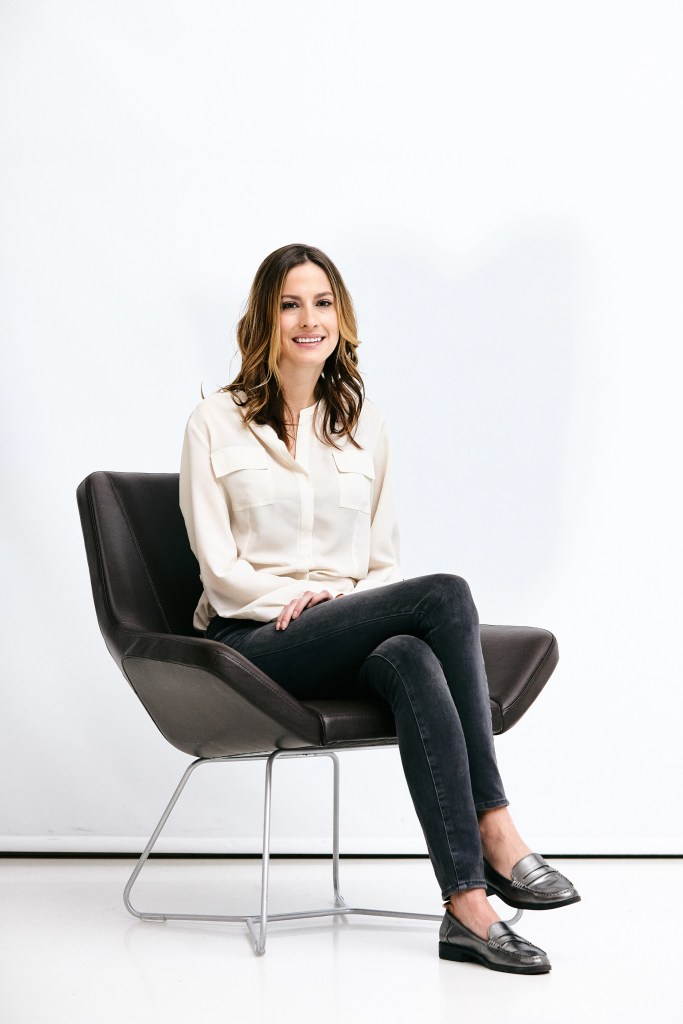
“Many brands are embracing the need to engage and include people with disabilities. But when they include people with disabilities in creative content, we need to be seen for who we are — beyond our disabilities — without ignoring the fact that we have one.”
คริสตินา มัลลอน หัวหน้าฝ่ายการออกแบบและการเข้าถึงที่ครอบคลุม Wunderman Thompson
Christina Mallon leads Inclusive Design at Wunderman Thompson, where she consults with brands on implementing inclusive design practices into their business strategies. She is at the forefront of an important movement toward inclusivity in design and advertising. At the start of Christina’s professional career, her arms slowly became paralyzed. The transition to “disabled” was challenging, but has never slowed her down. As a young digital marketing professional starting her career with a disability, she felt under-represented as a consumer. Rather than being discouraged, she recognized the opportunity to build awareness and make a measurable impact within the industry. This realization inspired her to start an inclusive design practice at Wunderman Thompson. Read more about Christina’s work here และ here.
A recent Nielsen survey found that people with a disability are more likely to feel that there is insufficient representation of their identity group on TV. The lack of representation in linear TV and advertising, which reaches more than 80% of the adult U.S. population, may be why disabled social media influencers and creators often carry the weight of rewriting the narrative around the media’s presentation of disability. From educating on inclusive language to the proliferation of captions for video segments across TikTok or Instagram, disability representation and inclusion topics are advancing at the grassroots level while more traditional media catches up. Influencers like TikTok’s @Scarlet_may.1, Instagram’s @Chelsiehill, @blindishlatina, @Christina_disarmed, among others share their personal stories through relatable content. Influencers are stepping in to share product hacks and recommendations of inclusive brands to diverse followers including people with disabilities, their loved ones and allies—all consumers open to spending on brands that take action on causes they care about.
กำลังดำเนินการอยู่
While progress is being made to increase the visibility of disability, there are immediate steps that the advertising industry can take to accelerate it. Engaging with organizations that are leading the charge to improve representation in media, such as RespectAbility and ReelAbilities, can help brands fine tune future strategies, especially as many look ahead to 2022. When it comes to creative development, brands can cast more disabled people and develop more inclusive storylines, while being careful not to slip into “inspiration porn,” which is often used to motivate non-disabled people at the expense of the disabled experience. When planning a campaign, brands must include various formats and accessibility features to accommodate a variety of people living with different disabilities. Brands can also improve representation in their organizations by hiring more people living with disabilities, like many organizations that are part of the Valuable 500.
การใช้ชีวิตกับความพิการเป็นความจริงสำหรับผู้คนนับล้าน และเป็นส่วนหนึ่งของตัวตนที่หลากหลายที่ผู้คนต้องการเห็นในเนื้อหาที่พวกเขาบริโภคและสะท้อนให้เห็นในแบรนด์ที่พวกเขาซื้อ ไม่ว่าจะมองเห็นความพิการหรือไม่ก็ตาม มุมมองที่เป็นเอกลักษณ์ของผู้ที่ป่วยด้วยโรคเรื้อรังหรือความพิการประเภทอื่นสามารถเสริมสร้างความพยายามในการรวมเอาแบรนด์และประสบการณ์ของผู้บริโภคที่มีความพิการได้ การยอมรับผู้พิการว่าเป็นส่วนสำคัญของฐานลูกค้าเป้าหมายของคุณหมายถึงการเข้าใจว่าผลิตภัณฑ์หรือบริการของคุณเพิ่มมูลค่าให้กับประสบการณ์ของพวกเขาอย่างไร