แม้ว่าจะมีความเท่าเทียมกันทางเพศเพิ่มมากขึ้น แต่ผู้หญิงยังคงไม่ปรากฏตัวบนหน้าจอ โฆษณา และในห้องประชุม
Across media and business, the disparity in representation for women only grows when you view the gender gap through a multicultural lens. The gap still exists despite knowing that women are more likely to carry more of the household responsibilities, homeschooling and childcare responsibilities, make the daily purchasing decisions, be less financially secure, and feel more isolated. The pandemic has only compounded the pressure women are facing today, threatening to roll back the progress we’ve made.
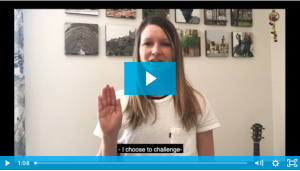
This year, we #choosetochallenge the gender stereotypes and messages that are shaping these cultural norms, and we are inviting everyone to do the same. Our goal is to help the media industry creative inclusive content, powered by diverse content creators not just because it matters ethically, but also because it matters to the viewers who are ultimately your consumers.

เศรษฐกิจของผู้หญิง
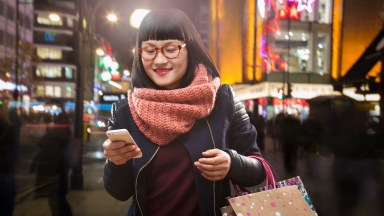
Globally, women’s engagement in the labor market lags behind men by 23 percentage points according to the World Economic Forum. Yet, women’s spending power and influence should not be underestimated.

IT’S TIME TO BE SEEN
การเป็นตัวแทนมีความสำคัญ การนำเสนอภาพผู้หญิงบนหน้าจออาจส่งผลต่อการปฏิบัติต่อผู้หญิงและความเข้าใจต่อผู้หญิง รวมถึงทัศนคติต่อตัวเองด้วย ในที่ทำงาน การที่ผู้หญิงไม่เป็นที่รู้จักหมายถึงการไม่มีความก้าวหน้าในหน้าที่การงาน ทรัพยากรขององค์กรมีน้อยลง และความมั่นคงทางการเงินก็ลดลงด้วย

วิธีการเข้าถึงผู้หญิง
Women are savvy consumers of news, information and other media across devices. During the pandemic, local news viewership increased 48% among women. They are also growing listeners of podcasts, making up 45% of all podcast consumers and over-indexing in podcasts about family, health, the arts, true crime and more. No matter what media they’re consuming, truth, transparency and real representation matter.
Learn why at Nielsen, we’re choosing to challenge >>