เมื่อฉันนึกถึงวันตรุษจีน ฉันนึกถึงการรวมตัวของครอบครัวใหญ่ การไปเยี่ยมญาติ การแจกอั่งเปาเงิน และการกินอาหารตามประเพณี เมื่อเติบโตขึ้น เราเริ่มการเฉลิมฉลองด้วยอาหารมื้อค่ำของครอบครัวใหญ่และอาหารจานพิเศษที่เป็นมงคล เช่น ก๋วยเตี๋ยวสำหรับอายุยืนยาว เกี๊ยวสำหรับความมั่งคั่ง (ที่เป็นรูปแท่งทองของจีน) ปลาสำหรับความมั่งคั่ง ลูกชิ้นข้าวเหนียวสำหรับความสามัคคีในครอบครัว และอื่นๆ อีกมากมาย แต่ COVID-19 ทำให้การเยี่ยมเยียนและการรวมตัวของครอบครัวต้องหยุดลง ตอนนี้ ฉันพบว่าตัวเองหันไปดูทีวีเพื่อคลายความคิดถึงบ้านและเชื่อมต่อกับวัฒนธรรมของฉันผ่านเนื้อหาที่เกี่ยวข้อง
Searching the internet for Asian family programs, I found my choices were somewhat limited, which was surprising given that Asian Americans are the fastest-growing population in America. According to Gracenote การวิเคราะห์การรวม data, East Asians like me have a low share of screen, meaning that our visibility across all television programming is only about 2%. When we look deeper, we see that East Asian visibility is a little better on subscription video on demand (SVOD) platforms like Netflix, Amazon Prime and Disney+, but it still barely surpasses 3%.
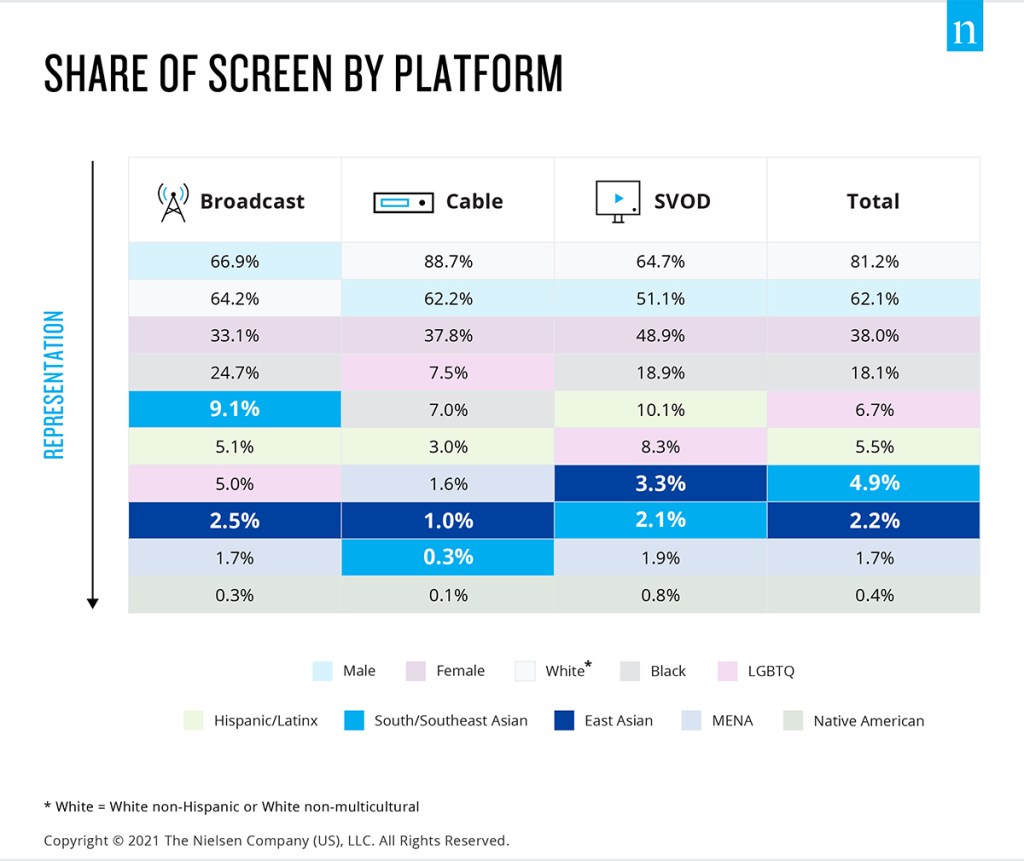
เมื่อพิจารณาจากความโดดเด่นที่มากขึ้น จึงไม่น่าแปลกใจที่ชาวอเมริกันเชื้อสายเอเชีย 82% สมัครใช้บริการสตรีมมิ่ง (เมื่อเทียบกับ 72% ของประชากรทั้งหมดในสหรัฐฯ) และมีแนวโน้มที่จะรับชมเนื้อหาทางเลือก* (จากผู้จัดพิมพ์สื่ออื่นๆ เช่น รายการภาษาเอเชีย) ผ่านอุปกรณ์ที่เชื่อมต่ออินเทอร์เน็ตมากกว่า 28% จากตัวเลือกที่มีอยู่ แพลตฟอร์ม SVOD มอบการนำเสนอเรื่องราวของชาวเอเชียและเรื่องราวของชาวเอเชียที่ดีที่สุดที่ 3% แต่ภาคอุตสาหกรรมยังสามารถทำอะไรได้มากกว่านี้เพื่อนำเสนอเรื่องราวและภาพที่แท้จริงให้กับห้องนั่งเล่นของเรา
As I was looking for content to watch, Fresh Off the Boat, which ran from 2015 to 2020, floated to the top of my internet search. When it premiered, it was the first U.S. television sitcom starring an Asian American family to air on network primetime since Margaret Cho’s All-American Girl, which aired for one season in 1994. Fresh Off the Boat served some authentic laugh-out-loud moments that were true to life, such as when Eddie tells his mom that he wants “white people lunch” and ends up throwing away his own Chinese lunch—reminding me of the time when I packed my daughter’s lunch of fried rice, and she brought it home untouched. My search also returned Minari, a 2020 movie about a Korean family seeking to build a new life as farmers in Arkansas. There are poignant moments, such as when Monica’s mother arrives from Korea, bringing a suitcase full of food like chili powder and dried anchovies, making her daughter cry. This is what we do, carry suitcases full of our food back after a visit to our home countries, giving them to our families to show our love.
Having grown up in Singapore, I love Crazy Rich Asians; not only because it was filmed there, but also because of the beautiful visuals, including hawker food and the familiar streets of Singapore, bringing me just a little closer to home. The movie’s popularity seemed to inspire a new genre of Asian shows—reality TV depicting fabulously wealthy Asians like we see in Bling Empire และ House of Ho. While “rags to riches” themes appeal to many audiences, most of us view these stories as being far from reality. Indeed, there’s a striking gap in the stories being told about Asians. Nielsen’s inclusion analytics report studied themes in programming when an identity group in the audience sees themselves well represented on screen. The themes most present in programming for East Asians are courage, bravery, challenge, justice, sons—all reminiscent of the immigrant narrative, kung fu films and patriarchy. These themes just seem to feed the Asian stereotype.

That said, I was still able to find a handful of Asian movies that celebrate family and food. In most Chinese households, food is the language of love. We aren’t the most demonstrative culture, so cooking and serving people food is how we show our love and respect. I stumbled across content that fed my soul. In Ramen Teh, a Japanese man visits Singapore after his parents pass to learn the secret recipe of the pork rib soup made by his Singaporean mother’s family. Joy Luck Club gave me hope that I will soon reconnect with my family over our favorite foods. Over the Moon was the most touching of all, as it features a scene where the family gathers to celebrate the Mid-Autumn Festival, the second-most important Chinese holiday. The family bantering as they cook and eat, the young girl making sure that her grandpa got the best crab, and the familiar auspicious foods made me cry.
ไม่มีสถานที่ใดดีไปกว่าบ้านในช่วงวันหยุด แต่เมื่อฉันไม่สามารถไปที่นั่นได้ด้วยตัวเอง การชมรายการเกี่ยวกับอาหารและครอบครัวเช่นครอบครัวของฉันบนหน้าจอก็พาฉันไปที่นั่น
*การปรับจูนอื่นๆ ทั้งหมด (AOT): วิธีการที่ Nielsen จัดประเภทการรับชมกับเนื้อหาทีวียังไม่ได้วัด