(ปรับปรุงข้อมูล 26 ม.ค. 2564)
ในขณะที่เราเข้าสู่ปีที่สามของการระบาดใหญ่ทั่วโลก ผลกระทบของ COVID-19 ยังคงส่งผลต่อพฤติกรรมของผู้บริโภค รวมถึงเศรษฐกิจโลก และเราคาดว่าจะรู้สึกถึงผลกระทบเป็นลูกโซ่ในอีกหลายปีข้างหน้า
เมื่อพิจารณาจากการเปลี่ยนแปลงพฤติกรรมของผู้บริโภคที่มากมายมหาศาล เราพบว่าบริษัทต่างๆ ปรับเปลี่ยนกลยุทธ์ของตนอย่างคล่องตัว และแม้ว่าพลวัตของตลาดจะยังคงไม่แน่นอน แต่การคาดเดาอนาคตนั้นย่อมต้องการความคล่องตัว นวัตกรรม และความละเอียดอ่อนจากแบรนด์และนักการตลาด
Nielsen ยังคงติดตามการบริโภคสื่อ กลยุทธ์การตลาด และแนวโน้มการโฆษณา เพื่อช่วยให้บริษัทต่างๆ นำทางในภูมิทัศน์ที่เปลี่ยนแปลงไป

Mega trends shaping
the future of media and advertising

การเปลี่ยนแปลงวิธีการค้นพบของเรา
- Streaming
โทรทัศน์ยังคงเป็นศูนย์กลางการบริโภคสื่อสำหรับครัวเรือนทั่วโลก แต่การนำทีวีที่เชื่อมต่อ (CTV) มาใช้และการสตรีมกำลังเปลี่ยนแปลงวิธีที่ผู้ชมใช้เวลาในการดูทีวี
In a year that continued to present audiences with an unprecedented variety of streaming platforms and content, U.S. consumers took full advantage of their options. In the last week of December 2021, audiences streamed 183 billion minutes, which even eclipsed the amount of time they spent streaming at the weekly height of COVID-driven lockdowns in early 2020 (166 billion minutes).

- ความเชื่อมั่นในโฆษณา
เมื่อเรามองไปยังปีที่สามของการใช้ชีวิตกับ COVID-19 นักการตลาดที่ชาญฉลาดรู้ดีว่าการเชื่อมโยงที่มีความหมายและเป็นส่วนตัวจะเป็นกุญแจสำคัญต่อสุขภาพของแบรนด์ในระยะยาว เพื่อสิ่งนั้น พวกเขาจะต้องมุ่งเน้นไปที่การสร้างและรักษาความไว้วางใจกับกลุ่มเป้าหมาย รวมถึงช่องทางที่จะใช้ประโยชน์ในการดำเนินการเหล่านั้น
While it’s important for brands to maintain balanced marketing strategies, marketers should be mindful of consumer sentiment as they allocate their media spending. For example, Nielsen’s 2021 Trust in Advertising study found that brand sponsorships are among the most trusted advertising sources among global consumers, yet most marketers don’t readily consider newer ad formats like brand integrations, sponsorships and product placements in their media planning. In fact, almost 34% of marketers surveyed for our 2021 Annual Marketing Report deemed these marketing formats as not important at all.
- การฟังพอดแคสต์
The word podcast was added to the Oxford English Dictionary back in 2005, but the term had yet to gain much traction in the media industry—as well as with the average consumer. Fast forward 16 years, and podcasting has blossomed into a burgeoning industry that provides brands with an opportunity to engage with a growing base of consumers that are very receptive to the engagement.
The transformation certainly didn’t happen overnight, but the rise in popularity of podcasts over the past six-plus years has effectively changed the landscape of the entire market. In addition to attracting rampant celebrity involvement and fueling original TV content, podcasts are attracting big ad dollars, with the Interactive Advertising Bureau (IAB) predicting that ad revenue will hit $2 billion by 2023, well above the $842 million generated last year.

ทำลายวิถีชีวิตของเรา
- การศึกษา
ปี 2020 ถือเป็นปีที่ท้าทายสำหรับทั้งนักการศึกษาและผู้ปกครอง เนื่องจากนักเรียนและโรงเรียนต้องปรับตัวให้เข้ากับการเรียนรู้แบบเสมือนจริงหรือหลักสูตรผสมผสาน การศึกษาแบบเสมือนจริงส่งผลกระทบต่อทุกสิ่งภายในบ้าน ไม่ว่าจะเป็นตารางการเดินทาง การดูทีวี รูปแบบการจับจ่าย การบริโภคสินค้าอุปโภคบริโภค ใครเป็นผู้มีอิทธิพลต่อการตัดสินใจซื้อ เวลาที่ผู้ใหญ่รุ่นเยาว์อาจอยู่บ้าน และท้ายที่สุดคืออำนาจในการซื้อ ผู้ดูแลจะต้องเผชิญกับความท้าทายมากมายขึ้นอยู่กับอายุของเด็กหรือผู้ใหญ่รุ่นเยาว์ โดยแต่ละความท้าทายต้องการวิธีแก้ปัญหาที่แตกต่างกัน
นักโฆษณาและผู้ค้าปลีกต้องตระหนักถึงความต้องการที่เปลี่ยนแปลงไปของลูกค้าและนิสัยประจำวันที่เปลี่ยนไปในขณะที่ครอบครัวต่างๆ ต้องเผชิญกับคำสั่งเกี่ยวกับ COVID ที่เปลี่ยนแปลงไป
- อนาคตของการทำงาน
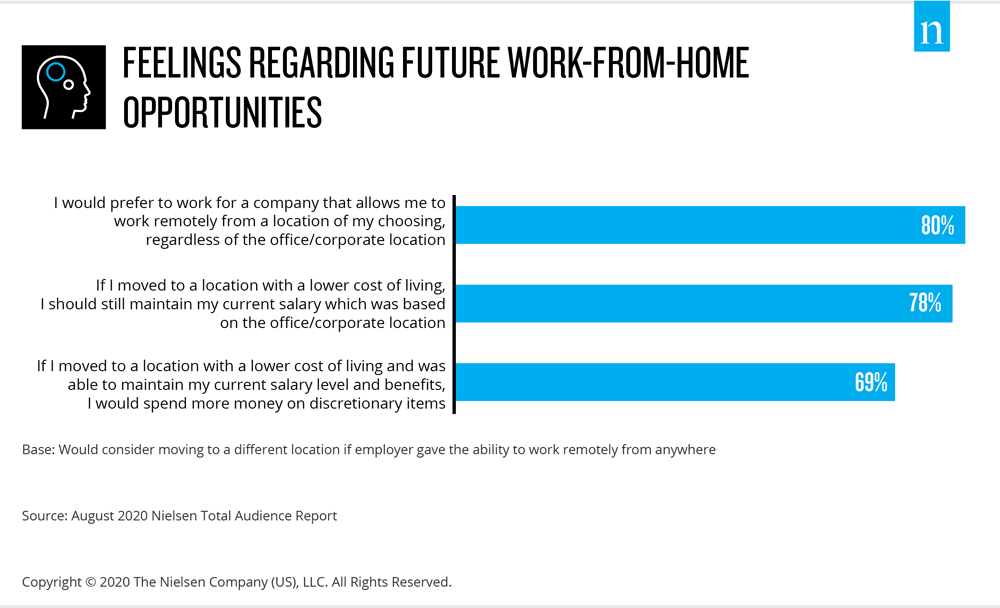
ในปี 2020 บริษัทหลายแห่งส่งพนักงานกลับบ้าน โดยบางแห่งเป็นครั้งแรก ปัจจุบัน บริษัทต่างๆ กำลังปรับโครงสร้างข้อเสนอ พื้นที่สำนักงาน และโปรโตคอลใหม่ เนื่องมาจากไวรัสโคโรนาและบุคลากรบางส่วน
เนื่องจากพนักงานส่วนใหญ่ทำงานจากระยะไกลมานานกว่าหนึ่งปี ลำดับความสำคัญและค่านิยมของพนักงานจึงเปลี่ยนไป ซึ่งทำให้สถานที่พักอาศัยของผู้คนเปลี่ยนไป พื้นที่บ้านของพวกเขาเป็นอย่างไร พวกเขาจัดการตารางเวลาประจำวันอย่างไร และพวกเขามีพฤติกรรมการใช้สื่ออย่างไร
- ความยุติธรรมทางสังคม
In mid-2020, while many in the U.S. were in lockdown, the social justice movement erupted across the country. The lockdowns created a captive audience for the movement and helped carry the story to many who were already consuming more news than usual. This increased awareness has also sparked companies to re-commit to inclusion and diversity, and more importantly, consumers are holding them accountable to those commitments.
ในขณะที่โรคระบาดยังคงส่งผลกระทบต่อชุมชนคนผิวสีแตกต่างกันไป ไม่ว่าทางตรงหรือทางอ้อม แบรนด์ต่าง ๆ ยังคงเห็นความเคลื่อนไหว แต่ก็อาจเกิดการโต้ตอบได้เช่นกัน เนื่องจากผู้บริโภคต้องต่อสู้ดิ้นรนกับมุมมองที่แตกต่างกันอย่างกว้างขวาง

การเปลี่ยนแปลงวิธีการช้อปปิ้งของเรา
สัมมนาออนไลน์สถานการณ์สื่อโลก
ผู้นำของ Nielsen และผู้เชี่ยวชาญในอุตสาหกรรมชั้นนำอื่นๆ หารือกันถึงแนวทางในการนำทางภูมิทัศน์สื่อระดับโลกในปัจจุบันและอนาคต เรียนรู้ว่าการบริโภคสื่อและพฤติกรรมของผู้ชมเปลี่ยนแปลงไปอย่างไรทั่วโลก
- สกุลเงินข้ามสื่อจะพัฒนาอย่างไรเพื่อตอบสนองความต้องการของอุตสาหกรรม
- แนวโน้มดิจิทัลสำคัญที่ต้องจับตามอง
- ที่นักโฆษณาตั้งใจจะใช้จ่ายเงิน