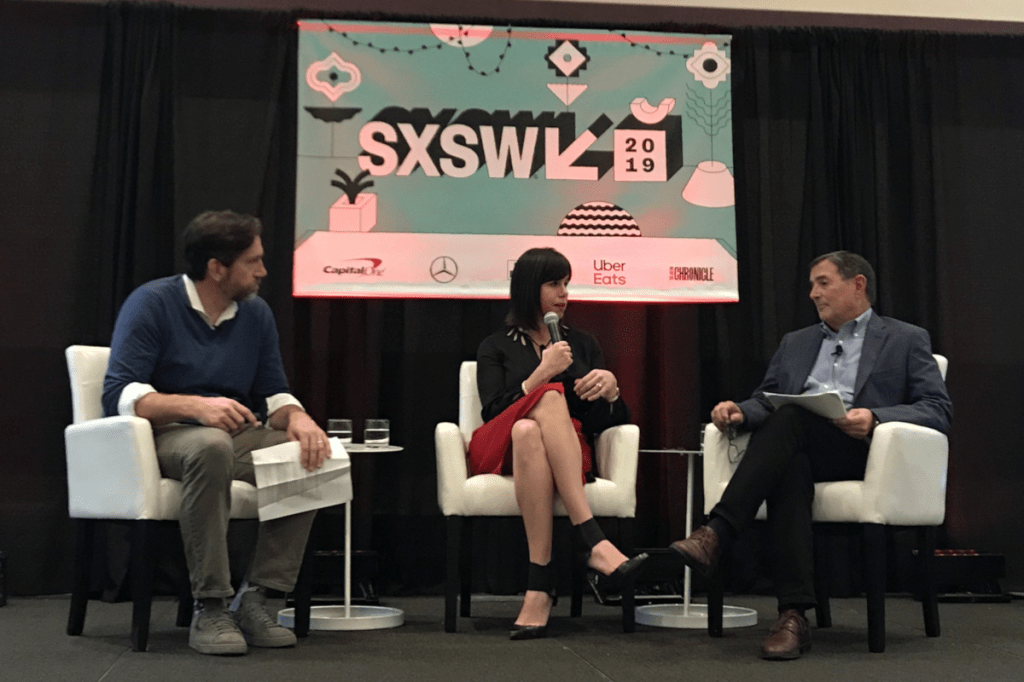
サウス・バイ・サウスウエスト(SXSW)は、セッションの内容、プレゼンターやエンターテイナー、そして40万人の参加者の多様性によって定義されています。今年のフェスティバルは、ニールセンがデータにおける代表性と多様性の重要性を共有するのに最適な背景となった。
Nielsen released new research during SXSW about the risks associated with only using big data for audience measurement, and those risks involve representation. Kelly Abcarian, General Manager of Advanced Video Advertising for Nielsen, presented the findings during the “Taming the Flood of Accurate Data Measurement” session. During her presentation, Kelly described the work Nielsen has done to address the evolving fragmentation in the media market by synergizing a big data approach with return-path data (RPD) providers.
So what exactly は RPD?
テレビの視聴に関して言えば、RPDとは、消費者が機器の電源を入れたり、チャンネルを変えたり、ビデオ・オン・デマンド(VOD)メニューから番組を選択したりするなどのデータを、セットトップボックスに送り返すことである。このデータには価値があるが、個人に特化したものではないし、テレビの世界全体を代表するものでもない。
アッカリアンは、多様なオーディエンスを理解するためにこれらのビッグデータセットを単独で使用することの難しさについて説明し、ビッグデータのサイズとスケールにかかわらず、企業が重み付けやモデリングでオーディエンスの欠落した行動を説明できない理由について洞察を示した。
「これらのビッグデータセットは、測定も捕捉もしていないものを表現するために使うことはできない」とケリーは強調した。
例えば、データを返すセットトップボックスのある家庭は、放送局のある家庭、ブロードバンドのみの家庭、さらにはセットトップボックスはあるがデータを返さないケーブル/衛星放送のある家庭とは挙動が異なる。
“As we work to train data sets—or, create synthetic ones—it’s essential to know the quality of the input in order to drive an outcome that brings transparency and truth, which is why we invest heavily in our representative panels,” said Kelly. “Big data and panels both have a role in today’s marketplace, and Nielsen is proud to have a unique combination of both to advance measurement for the future.”
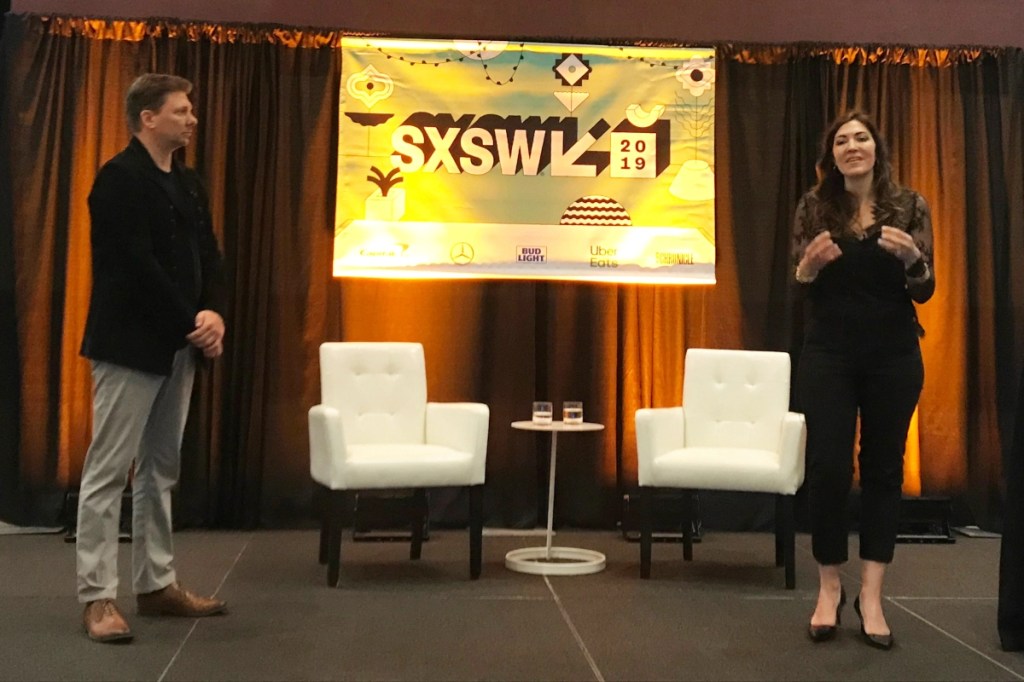
RPDのみのような非個人レベルのデータでは、人々の文化や生活経験を見逃してしまいます。ニールセン・ミュージックのストラテジック・イニシアチブ・コンシューマー・エンゲージメント担当副社長のステイシー・デ・アルマスとSVPのデビッド・バクラは、「ラテン系デジタル・ライフ」セッションで、ラテン系消費者のメディアとの関わり方や購入の仕方など、ユニークで文化的な影響を受けた方法を捉えたニールセンのパーソン・レベル・データを活用し、こうした消費者と真のつながりを持つことができるブランドにとってのビジネスチャンスを説明した:文化、コンテンツ、コミュニティ」セッション
“Technology has fundamentally changed the U.S. Hispanic consumer experience. Their relative youth, and predisposition to all things tech and digital, help us understand just how influential these consumers are in shaping American trends,” said Stacie. “U.S. Hispanics are tech ‘super consumers’ and trendsetters. Understanding what drives their affinity for the newest gadgets, apps and platforms provides an opportunity for brands to digitally engage this consumer and drive future growth.”
ステイシー氏は参加者に対し、文化の影響や、家族やコミュニティとのつながりを求める気持ちがラテン系消費者のテクノロジーとの関わり方に果たす役割を過小評価しないよう呼びかけました。「米国のヒスパニック系消費者の日常生活における個人的なつながりや共有を求める傾向は、文化に深く根ざしています。そのため、これらの消費者はデジタルプラットフォーム上でも同様の個人的な交流を求めています。このことは、今日のラテン系消費者との本格的かつ個人的なデジタル対話の重要性を強調しています。
デイビッドは、ラテン系のデジタル体験において音楽が果たす極めて重要な役割を強調した。「音楽はラテン系消費者にとって非常に重要であり、彼らは他のどのグループよりも音楽を聴き、音楽にお金を使う。ラテン系コミュニティは、デジタル音楽消費を含むあらゆるデジタルの最先端にあり、ラテン音楽ジャンルはその恩恵を受けている。
David shared that U.S. Hispanics are “experience music consumers,” which means they prefer curated experiences like playlists, and they skip fewer songs when streaming. He also noted that Hispanics spend more time connecting socially with artists and other fans, as they are more likely to share music with friends and family. “Music offers a unique and authentic opportunity for brands to connect with the US Hispanic consumer.”
SXSWでは、きめ細かな消費者体験に焦点を当てた。世界がより多様化し、メディア・エコシステムがより細分化されるにつれ、企業は将来の成長につながる消費者にリーチするために、より深く掘り下げる必要があるからだ。
