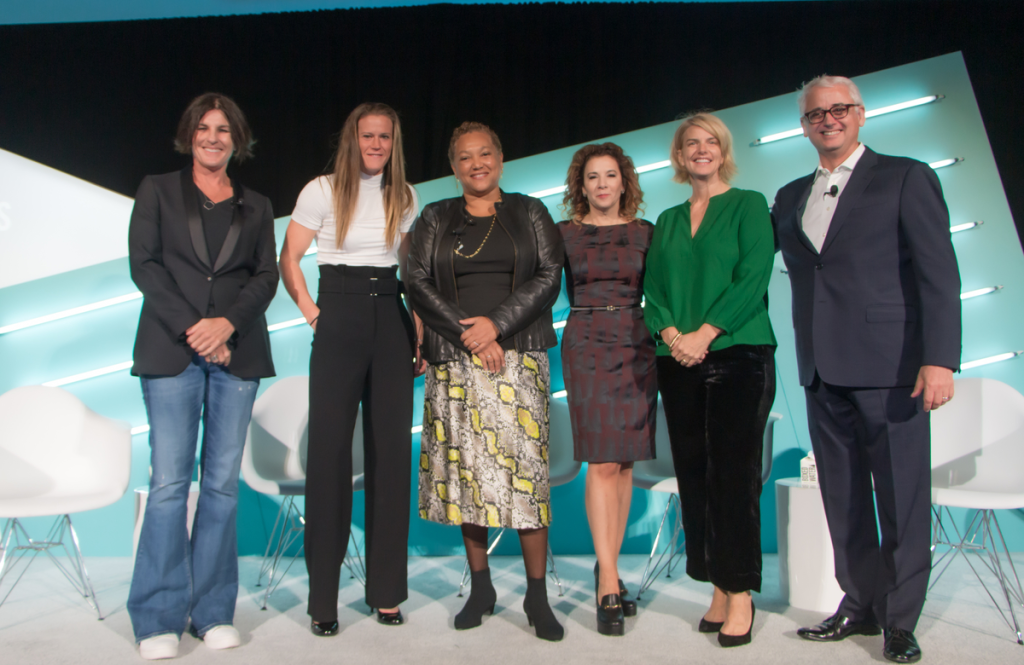
Last week, Nielsen executives took center-stage during Advertising Week—the annual conference where celebrities, innovators, marketers and media executives come together to discuss the future of advertising. Our leaders shared their perspectives throughout various sessions on the power of data and information, the future of TV, the importance of taking a stand for what’s right and Nielsen’s role in serving as the source of truth for the media industry.
ビッグデータと情報過多の今日の世界では、企業は最も完全で信頼できる情報を持っていることを確認する必要がある。データが不完全で信頼性が低いとどうなるでしょうか?企業がイノベーションを起こし、次世代製品を開発し、新市場を創造する際に、コストのかかるミスを引き起こす可能性がある。消費者セグメントを包括的かつ代表的に把握することは、これまで以上に重要になっている。
“We can’t win in our mission of being one media truth, unless that truth represents everyone, everywhere,” said David Kenny, CEO and Chief Diversity Officer at Nielsen during his opening remarks for Nielsen’s session at Advertising Week, Beyond the Lens: The Bottom Line Impact of Media Representation. “We have to have a truly representative workforce, products that measure all consumers and we must have a stand in the marketplace that represents everyone.”
メディア企業にとって、真の表現に向けた取り組みにあらゆる立場の人々を含めることは不可欠である。人種や民族の多様性に加え、メディアにおける表現には、同性カップル、女性、子供、高齢者、障がい者も、ニールセンの測定と同様に、スクリーンの内外で含まれなければならない。
In the beginning of the week, Megan Clarken, Chief Commercial Officer, Nielsen Global Media, kicked off the discussion on the importance of diversity and inclusion in media, especially when it comes to women, at an event hosted by the Geena Davis Institute on Gender in Media. The institute, which advocates for gender parity in the media industry, presented television insights from its GD-IQ machine learning tool for the first time and held a panel discussion that featured prominent children’s TV industry executives. Before the panelists shared their stories on how to best address representation and why it’s a crucial component to success, Clarken shared her perspective on why more women need to be on screen.
「映像には力があり、エンターテインメント、教育番組、情報、そして正しく扱われればエンパワーメントという大きなプラス面がある。「しかし、後者は表現の平等性に依存している。それは、老若男女を問わず、強い女性俳優のための強い役柄があるかどうかにかかっているのです」。
The following day at Advertising Week, Clarken moderated a star-studded panel on the impact that media representation has on consumers, brands and businesses. The panel of leading and influential women included Madeline Di Nonno, CEO, Geena Davis Institute on Gender in Media, Sarah Kate Ellis, CEO & President, GLAAD, Christina Norman, Media Advisor, and Alyssa Naeher, Goalkeeper, U.S. Women’s National Soccer Team & the Chicago Red Stars of the National Women’s Soccer League.
パネルディスカッションは、子供向けコンテンツにおける女性キャラクターの画面上の表現に関する議論で幕を開けた。ジーナ・デイヴィス研究所によれば、女性キャラクターは55.3%の割合で画面に登場し、50%の割合で会話をしている。これは大きな節目であり、軽視すべきではない。
“This is historic…For the first time in history, we have actually achieved parity when it comes to female characters in children’s television,” said Di Nonno.
The discussion then shifted to focus on the progress made over the years to not only portray LGBTQ families on screen, but also to ensure they are counted and represented in national TV ratings. Last year, Nielsen announced that it had worked with GLAAD to ensure same gender spouses/partners and homes were included as part of the ratings that Nielsen reports. Including same gender spouses and homes gives marketers and media companies a better view into the media habits of LGBTQ consumers and their preferences.
As an example, Kenny pointed to the Rachel Maddow Show on MSNBC during the panel introduction. While the show typically ranks within the top 10 cable network programs among all U.S. households each week, it regularly ranks No. 1 as a prime cable program among same gender households. “That’s really important because the pink dollar is really powerful and oftentimes is 2x or 3x its counterpart when it comes to spending power,” said Ellis. “When you are looking to buy spending power [media inventory], you may look at Rachel differently and put more money against an LGBTQ show than another show.”
ジーナ・デイヴィス・インスティテュートやGLAADのような団体は、説明責任とスクリーン上の表現を促進するためにデータの力を利用している。彼らは、コンテンツにおける女性やLGBTQの表現を増やす原動力として、視聴者構成、視聴傾向、エンゲージメントを指摘する指標や洞察を活用することで議論を進めている。しかし、スクリーンの外でも、メディア企業の経営陣の間でも、代表性を確保するためになすべき仕事もある。
“When you [a network] introduce new programs that celebrate the audience, they can see themselves in it, and it’s reflective in ratings and in the audience that the network attracts now,” said Norman. “It really is about working on both sides—yes, bringing in creators, yes, bringing in the right kind of new content, making sure the stories are reflective of the world that we live in. But it’s also really about making sure that the executives making those decisions have that lived reality as well.”
Representation, inclusion and pay parity are not just challenges faced by the media industry or in business; they’re also a sad and harsh reality that female athletes encounter each and every day. The issue of pay inequality between men and women was a hot topic earlier this year, and it reached a boiling point when the U.S. Women’s National Soccer team won it’s fourth FIFA World Cup in 28 years and shined a light to the huge pay disparity compared to the U.S. Men’s National Soccer team. The issue has now transcended the locker rooms, and brands and businesses have become increasingly vocal regarding the need to achieve equal pay across all segments of society.
「スポーツ界における女性の地位は、その始まりからさかのぼれば、何年もかけて多くの進歩を遂げてきた。しかし、まだまだ大きな隔たりがあり、それを埋めていく必要があります。このような議論が必要であり、その意識を高めることがプロセスの第一歩なのです。意識は高まり、人々はニールセンについて 。ステップ2は、ニールセンについて 、すべてのスポーツでどのような措置を講じることができるかです」とネーハー。「聖火は渡されました。チームとして、選手として、そして個人として、会話を続けることが私たちの責任です」。
同様に、メディア業界の真実の旗手として、厳しい議論を明るみに出し、物語を形成する手助けをし、すべての消費者セグメントの測定と表現を可能にするデータを提供することが私たちの仕事です。ニールセンはこの責任を軽んじることなく、クライアント、業界パートナー、市民団体、政府と協力し、メディアにおける信頼と透明性がこの業界を前進させる道標になるよう取り組んでいます。
「そして、その真実はすべての人の真実でなければならない。
