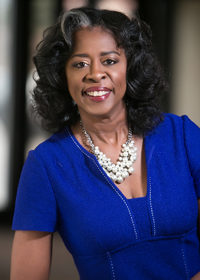
So often, diversity and inclusion (D&I) is viewed through the lens of what we see, with an emphasis on the dictionary meaning of diversity. The word inclusion is somehow missed or draws less attention. As we work to infuse D&I into Nielsen’s DNA, it is the inclusion of diverse ideas, experiences, backgrounds and cultural nuances that manifests the cultural change we are seeking. When we are inclusive of new, different, creative and innovative thoughts, the results are often incremental—staggering even. This is why diversity and inclusion is a global business imperative.
Mentre il mondo cambia, i dati demografici si spostano e le culture si intrecciano, cambiano anche i prodotti e i servizi che attraggono i consumatori. Ciò significa che la comprensione di questi cambiamenti non è mai stata così importante come oggi. Ma come deve fare un'azienda statunitense per capire il consumatore che cambia al di fuori degli Stati Uniti? Ascoltando e imparando, ed è proprio così che Nielsen elabora una strategia globale adatta alle esigenze di ciascun Paese. Abbiamo deciso di adottare un approccio senza confini.
Putting “Inclusion” Back in D&I
Per attuare questa strategia in tutti i Paesi in cui operiamo, iniziamo con un quadro di riferimento per capire a che punto è ogni regione o Paese nel suo percorso di diversità individuale. Poi lavoriamo a livello locale per attivare le pratiche di inclusione e sostenere le iniziative che promuovono una cultura dell'inclusività.
The framework assesses where the region is on a journey beginning with awareness, discovery, understanding, integration and ultimately the realization of goals set along the way. Consapevolezza may include understanding the legal implications for people with disabilities or the human rights concerns in a specific region; while discovery is a method we use to ensure “Managing an Inclusive Work Environment” training is delivered to all people managers by a local trainer who understands cultural distinctions. We are also in the process of investing in Unconscious Bias training around the globe.
There are different levels of understanding, as demonstrated by the number of active employee resource group (ERG) chapters in our global organization. Seventy percent of the more than 100 countries where Nielsen operates have at least one ERG. These voluntary organizations assist with recruitment, retention, professional development, community outreach, engagement and education.
A truly rewarding example of the value of D&I is when the integration of these practices has a direct impact on the performance of the overall business. Across Nielsen, we work to integrate our data and the insights of our diverse employees to help clients strategize and innovate—whether by engaging with clients to share insights on diverse consumers’ shopping behaviors, making marketing materials more culturally relevant or creating a new, profitable product tailored to a demographic. We know that innovation is core to meeting the needs of the increasingly diverse global population. At the point where consumers, community and superior results for our clients intersect, our global teams realize the importance of their D&I journey. A diverse team of employees who intimately understand and appreciate these populations and who feel their ideas will be heard is ‘the secret sauce’ needed to develop the products, services and marketing campaigns that will appeal to diverse consumers.
In tutto il mondo, non è sufficiente che i dipendenti diversi abbiano un posto a tavola; devono essere incoraggiati ad avere una voce a tavola. È compito dei manager incoraggiare i collaboratori a parlare e poi ascoltare queste voci e idee, non solo per creare nuovi concetti, ma anche per aiutare Nielsen e i clienti che serviamo a evitare costosi passi falsi.
The Business Case for D&I
Perché i team eterogenei sono più innovativi? Perché sono più intelligenti? Perché producono risultati superiori? Nel 2015, uno studio McKinsey su 366 aziende quotate in borsa nel Regno Unito, in Canada, in America Latina e negli Stati Uniti ha rilevato che le aziende nel primo quartile per diversità di genere avevano rendimenti finanziari del 15% superiori alla media del settore. Inoltre, le aziende nel primo quartile per diversità razziale/etnica avevano il 35% di probabilità in più di avere rendimenti superiori alla mediana del settore. Secondo lo studio, è vero anche l'inverso: le aziende nel quartile inferiore sia per la diversità di genere che per quella razziale/etnica avevano meno probabilità di ottenere risultati superiori alla media.
The findings of the study were the focus of a Harvard Business Review (HBR) report, “Why Diverse Teams are Smarter,” by David Rock and Heidi Grant. The report revealed that people with diverse backgrounds alter the behavior of a group by uncovering more facts and making fewer errors. The belief is that “diverse teams are more likely to constantly reexamine facts and remain objective.” Additionally, there is a belief that diverse teams process information more carefully and consider the perspective of an ‘outsider’ when making decisions.
Regarding innovation, in two other studies mentioned in the HBR report, from Spain and the U.K., companies with more women and businesses run by culturally diverse leadership teams are more likely to introduce new innovations than those with homogenous leadership teams. The report also notes that “creating a more diverse workplace will help to keep your team members’ biases in check and make them question their assumptions. At the same time, we need to make sure the organization has inclusive practices so that everyone feels they can be heard.”
As a measurement company, we felt a responsibility to ensure our clients understood—and were empowered to act on—the business imperative of D&I. So in 2016, we created and launched a Global Inclusion Council to bring together 25 leaders from around the globe to set targeted performance goals and business strategies regarding: pay equity, recruitment, promotional/lateral movement, engagement, onboarding, international assignments, etc. The cumulative goal is to cultivate an inclusive work environment that leverages our world-class data and stellar employees as a competitive advantage in support of our clients’ needs. The Council meets at least twice a year to brainstorm, strategize, review progress and set stretch goals. As a result of our first meeting, global market ambassadors are being selected to work with the D&I team to activate and accelerate the unique diversity journeys in each global market. Nielsen Global Inclusion Council members will serve two-year terms and will set targets for representation and movement.
Viewing D&I as borderless allows us to learn from each other, unlike the all too popular practice of simply exporting U.S. ideas and concepts abroad. We live the borderless D&I philosophy at Nielsen, and we’re excited that our eighth ERG was launched outside the U.S. Greater China created the N-GEN (Nielsen Generation) ERG, which seeks to bring together all generations—from Millennials to the Greater Generation—in order to exchange ideas, experiences and expertise while brainstorming ways to engage local employees to provide innovative solutions for both Nielsen and our clients. Since its launch, N-GEN chapters are growing in the U.S. and Europe, and already we’re learning so much about how to optimize the productivity of our increasingly multigenerational workforce.
Il mercato globale di oggi è molto diverso da quello di ieri. Ognuno di noi è chiamato a superare gli ostacoli, a innovare più velocemente e a farlo con il minor spreco possibile. La consapevolezza delle nostre differenze, così come delle nostre somiglianze, ci permette di valorizzare tutte le idee e le prospettive. Per competere, dobbiamo pensare in modo diverso e abbracciare approcci alternativi. Diversità di pensiero e inclusione di prospettive globali: questa è davvero la scienza che sta alla base del futuro.
