Il censimento degli Stati Uniti è stato determinante per il successo e l'accuratezza delle misurazioni di Nielsen e di altre aziende in tutta l'America. Con la potenziale introduzione di una domanda sulla cittadinanza nel prossimo censimento del 2020, i legislatori, le aziende e gli attivisti si sono mobilitati per opporsi a tale domanda, tanto che la Corte Suprema ha respinto la motivazione dell'inclusione della domanda.
Per Nielsen, essere un leader vocale su questo tema è stata una priorità assoluta, in quanto il Censimento è una delle numerose fonti di dati che utilizziamo per calibrare accuratamente i nostri pannelli e processi. Nielsen ritiene che l'inclusione di una domanda sulla cittadinanza potrebbe portare a imprecisioni nei dati sottostanti, imprecisioni che potrebbero avere un impatto significativo sulle aziende che si affidano ai dati per prendere decisioni importanti ogni giorno.
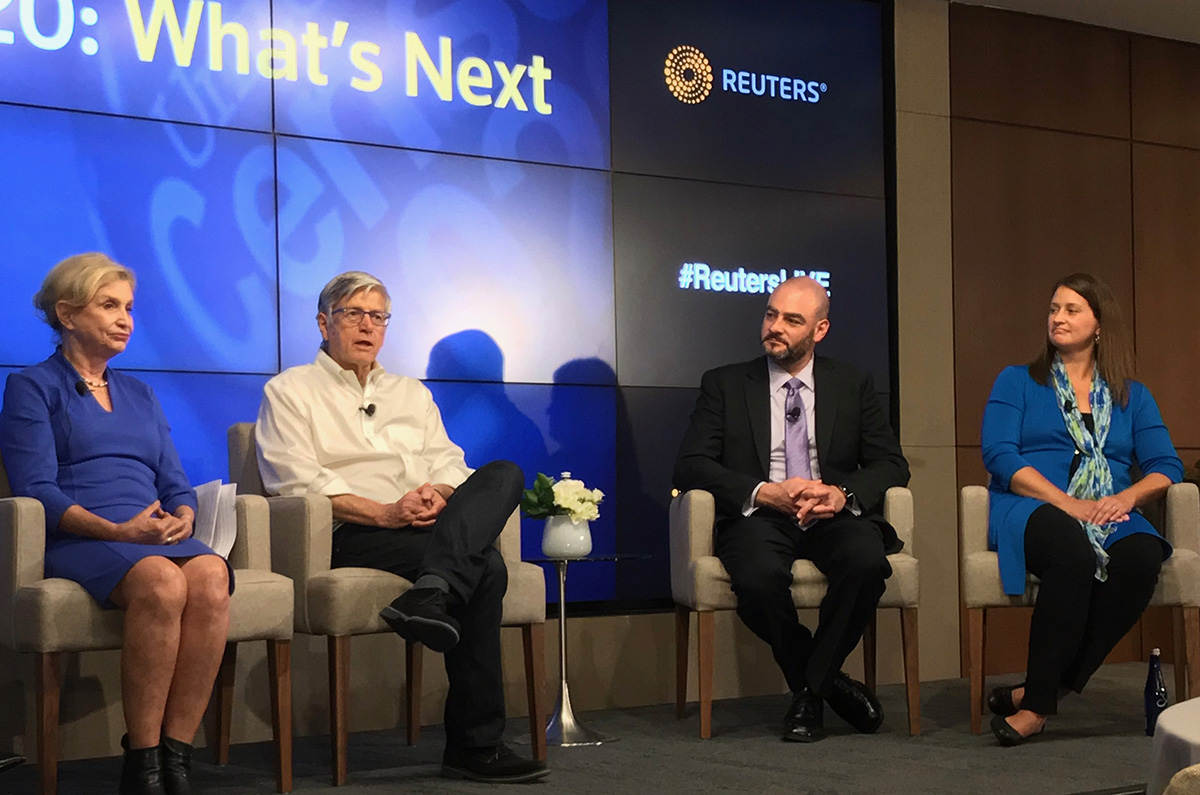
Christine Pierce, SVP Data Science di Nielsen, ha partecipato a New York a un evento Reuters Newsmaker per parlare dell'importanza dell'accuratezza e dell'integrità per il prossimo censimento degli Stati Uniti nel 2020. Condividendo i riflettori con i notabili del Congresso Carolyn B. Maloney (12° distretto congressuale di New York), l'ex incaricato del DOJ per i diritti civili Justin Levitt e l'ex direttore del censimento Kenneth Prewitt, Pierce ha spiegato in dettaglio a una sala gremita perché Nielsen ha preso una posizione così forte contro l'aggiunta di una domanda sulla cittadinanza, in che modo le aziende del settore privato come Nielsen si affidano al censimento come base per un set di verità e il rischio scientifico di non avere una solida partecipazione al censimento.
In regard to Nielsen’s stance on a potential citizenship question on the upcoming Census, Pierce noted a core scientific principle of pre-testing the questions statistical veracity “The fact that it wasn’t tested and the fact that it’s a sensitive…and not a necessary question…[is] why we took a stand [against it]. It’s not the right question to be asking on the Census.“
Congresswoman Maloney lauded Nielsen for being one of the few companies to take a public position on this matter in a big way. “I do want to publicly thank Nielsen for speaking out on the Census,” said Congresswoman Maloney. “The business community which had always had a very active role in the Census..they were very big, big supporters of it because they use the data…was quiet. No one was speaking out… No one was speaking out and then Nielsen came out and spoke out…it really meant a lot.and I think had a very important impact.”
Pierce ha inoltre sottolineato l'importanza di un Censimento accurato anche dal punto di vista di Nielsen, in quanto le imprecisioni nei dati del Censimento potrebbero influenzare negativamente il modo in cui le aziende utilizzano i dati e incidere in modo significativo su coloro che si affidano ad essi per prendere decisioni importanti ogni giorno.
“It’s such an integral part of our business…advertisers, large corporations, networks, publishers and radio stations are all coming to Nielsen to ask ‘How many eyeballs saw this ad, how many people heard this radio program’ and all of that is benchmarked to the Census,” she said. “Everyday we’re using some aspect of the Census—if it’s off, it’s off for a decade.”
Pierce and Congresswoman Maloney shared similar sentiments regarding the potential fallout from an inaccurate Census as the result of a citizenship question being asked. “If your data is not correct, then your policy isn’t correct…your planning isn’t accurate,” Maloney stated. “If you’re not counted, you’re not represented.”
