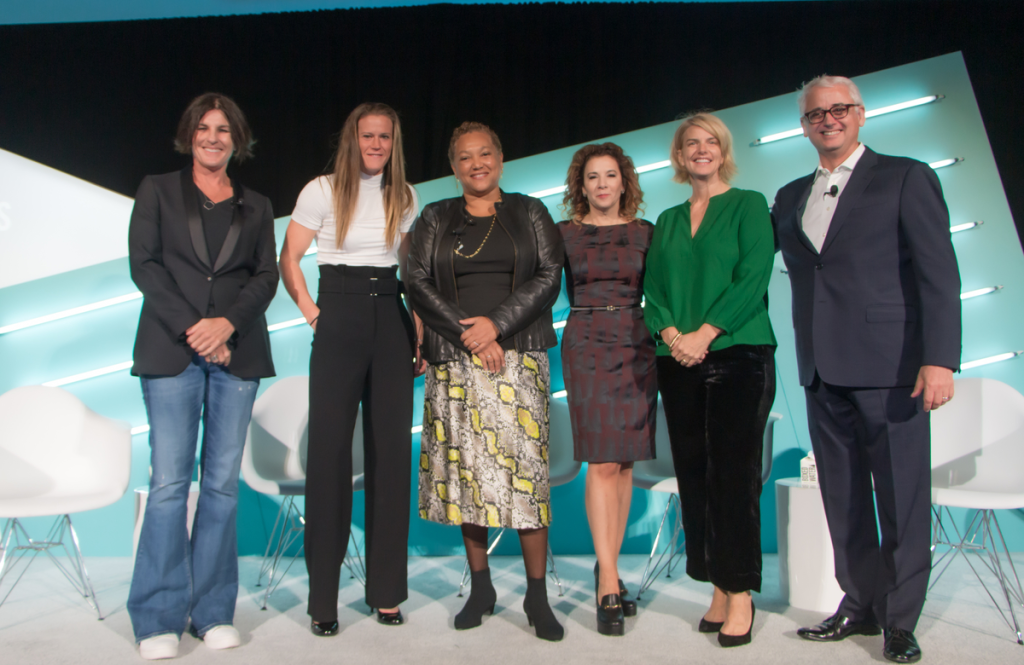
Last week, Nielsen executives took center-stage during Advertising Week—the annual conference where celebrities, innovators, marketers and media executives come together to discuss the future of advertising. Our leaders shared their perspectives throughout various sessions on the power of data and information, the future of TV, the importance of taking a stand for what’s right and Nielsen’s role in serving as the source of truth for the media industry.
Nel mondo odierno dei big data e del sovraccarico di informazioni, le aziende devono essere sicure di disporre delle informazioni più complete e affidabili. Cosa succede se i dati sono incompleti e inaffidabili? Può causare errori costosi quando le aziende innovano, costruiscono prodotti di nuova generazione e creano nuovi mercati. È più importante che mai avere una visione dei segmenti di consumo che sia inclusiva e rappresentativa.
“We can’t win in our mission of being one media truth, unless that truth represents everyone, everywhere,” said David Kenny, CEO and Chief Diversity Officer at Nielsen during his opening remarks for Nielsen’s session at Advertising Week, Beyond the Lens: The Bottom Line Impact of Media Representation. “We have to have a truly representative workforce, products that measure all consumers and we must have a stand in the marketplace that represents everyone.”
È imperativo per le aziende del settore dei media includere persone di ogni estrazione sociale nei loro sforzi per una vera rappresentazione. Oltre alla diversità razziale ed etnica, la rappresentazione nei media deve includere anche le coppie dello stesso sesso, le donne, i bambini, gli anziani e le persone con disabilità sia sullo schermo che fuori, così come nelle misurazioni di Nielsen.
In the beginning of the week, Megan Clarken, Chief Commercial Officer, Nielsen Global Media, kicked off the discussion on the importance of diversity and inclusion in media, especially when it comes to women, at an event hosted by the Geena Davis Institute on Gender in Media. The institute, which advocates for gender parity in the media industry, presented television insights from its GD-IQ machine learning tool for the first time and held a panel discussion that featured prominent children’s TV industry executives. Before the panelists shared their stories on how to best address representation and why it’s a crucial component to success, Clarken shared her perspective on why more women need to be on screen.
"L'immagine in movimento è potente, e con essa ha il grande vantaggio dell'intrattenimento, della programmazione educativa, dell'informazione e, se trattata correttamente, dell'empowerment", ha detto Clarken. "Ma quest'ultima si basa sulla parità di rappresentazione. Si basa sulla presenza di ruoli forti per attori femminili forti, giovani o anziani".
The following day at Advertising Week, Clarken moderated a star-studded panel on the impact that media representation has on consumers, brands and businesses. The panel of leading and influential women included Madeline Di Nonno, CEO, Geena Davis Institute on Gender in Media, Sarah Kate Ellis, CEO & President, GLAAD, Christina Norman, Media Advisor, and Alyssa Naeher, Goalkeeper, U.S. Women’s National Soccer Team & the Chicago Red Stars of the National Women’s Soccer League.
La tavola rotonda ha preso il via con una discussione sulla rappresentazione sullo schermo dei personaggi femminili tra i contenuti per bambini. Nell'ultimo decennio, la percentuale di personaggi femminili nella televisione per bambini è cresciuta in modo significativo e, secondo il Geena Davis Institute, i personaggi femminili sono presenti sullo schermo per il 55,3% del tempo e parlano per il 50%. Si tratta di un traguardo importante, che non dovrebbe essere preso alla leggera.
“This is historic…For the first time in history, we have actually achieved parity when it comes to female characters in children’s television,” said Di Nonno.
The discussion then shifted to focus on the progress made over the years to not only portray LGBTQ families on screen, but also to ensure they are counted and represented in national TV ratings. Last year, Nielsen announced that it had worked with GLAAD to ensure same gender spouses/partners and homes were included as part of the ratings that Nielsen reports. Including same gender spouses and homes gives marketers and media companies a better view into the media habits of LGBTQ consumers and their preferences.
As an example, Kenny pointed to the Rachel Maddow Show on MSNBC during the panel introduction. While the show typically ranks within the top 10 cable network programs among all U.S. households each week, it regularly ranks No. 1 as a prime cable program among same gender households. “That’s really important because the pink dollar is really powerful and oftentimes is 2x or 3x its counterpart when it comes to spending power,” said Ellis. “When you are looking to buy spending power [media inventory], you may look at Rachel differently and put more money against an LGBTQ show than another show.”
Organizzazioni come il Geena Davis Institute e il GLAAD stanno usando il potere dei dati per contribuire alla responsabilità e alla rappresentazione sullo schermo. Esse si basano su metriche e approfondimenti per indicare la composizione del pubblico, le tendenze di visione e l'impegno come un motore per aumentare la rappresentazione femminile e LGBTQ nei contenuti. Tuttavia, c'è anche del lavoro da fare per garantire una rappresentanza fuori dallo schermo e tra i ranghi dirigenziali delle aziende mediatiche.
“When you [a network] introduce new programs that celebrate the audience, they can see themselves in it, and it’s reflective in ratings and in the audience that the network attracts now,” said Norman. “It really is about working on both sides—yes, bringing in creators, yes, bringing in the right kind of new content, making sure the stories are reflective of the world that we live in. But it’s also really about making sure that the executives making those decisions have that lived reality as well.”
Representation, inclusion and pay parity are not just challenges faced by the media industry or in business; they’re also a sad and harsh reality that female athletes encounter each and every day. The issue of pay inequality between men and women was a hot topic earlier this year, and it reached a boiling point when the U.S. Women’s National Soccer team won it’s fourth FIFA World Cup in 28 years and shined a light to the huge pay disparity compared to the U.S. Men’s National Soccer team. The issue has now transcended the locker rooms, and brands and businesses have become increasingly vocal regarding the need to achieve equal pay across all segments of society.
"Sono stati fatti molti progressi nel corso degli anni, se si risale agli inizi delle donne nello sport. Credo che ci sia ancora un divario molto grande che deve essere colmato. Queste sono le discussioni che devono avvenire e la sensibilizzazione è il primo passo del processo. Penso che la consapevolezza sia stata aumentata e che la gente ne parli. Il secondo passo è quello di capire cosa si può fare, quali misure si possono adottare in tutti gli sport", ha detto Naeher. "La torcia è stata passata. Ora è nostra responsabilità, come squadra, come giocatori e come individui, continuare a parlarne".
Allo stesso modo, in qualità di portabandiera della verità per l'industria dei media, è nostro compito portare alla luce le conversazioni più difficili, contribuire a plasmare la narrazione e fornire i dati che consentono la misurazione e la rappresentazione di tutti i segmenti di consumatori. Nielsen non prende alla leggera questa responsabilità e continua a impegnarsi con i propri clienti, i partner del settore, le organizzazioni civiche e il governo per garantire che la fiducia e la trasparenza nei media siano i fari che guidano il settore in avanti.
"Noi vogliamo creare un'unica verità per farvi capire i media, e questa verità deve essere la verità di tutti", ha detto Kenny.
