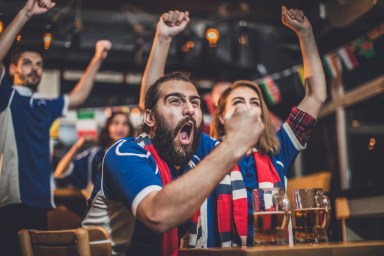
Il baseball sta vivendo un momento culturale - e i dati Nielsen mostrano che gran parte di esso è guidato da fan che vedono lo sport come qualcosa di più di un gioco. Il pubblico multiculturale sta cambiando come, dove e perché i tifosi si connettono, rendendo lo sport una delle piattaforme più potenti per la rappresentazione, la comunità e la cultura. Da Tokyo a Los Angeles, il baseball sta diventando un esempio vibrante di fusione culturale, con i tifosi asiatici in testa.
For years, marketers have known that sports drive engagement. And that’s especially true for Asian American, Native Hawaiian, and Pacific Islander (AANHPI) audiences. According to Nielsen’s latest Diverse Intelligence Series Report, while AANHPI audiences spend less time with TV overall, when they do tune in, they’re spending a larger share of their linear TV time watching live sports compared to the total population.
Asian American fans are also 33% more likely to subscribe to sports-focused streaming services, based on Nielsen Attitude on Ads study. In addition, they’re highly engaged across apps like MLB.com At Bat and BetMGM, driving real-time interaction around the games they love.
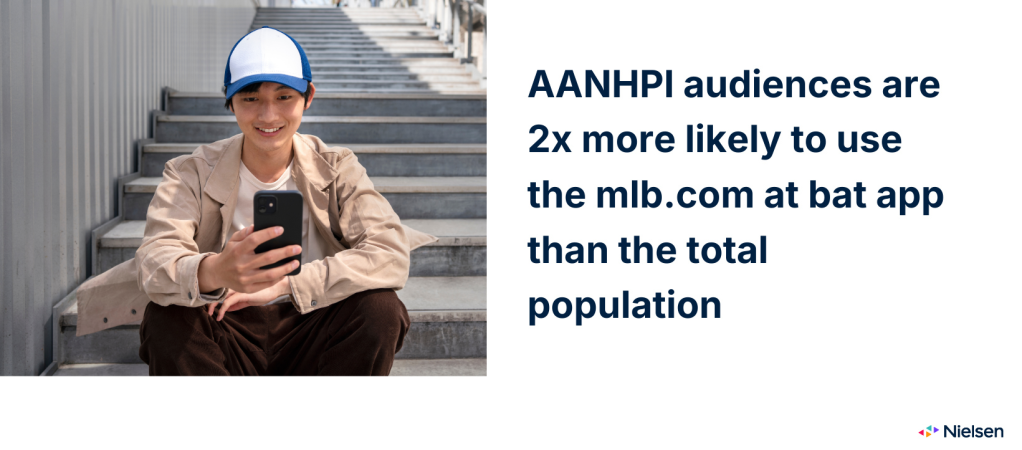
AANHPI audiences are gravitating toward sports that center players who look like them, speak their languages, and represent their cultures. Shohei Ohtani, the LA Dodgers’ star player from Japan, helped drive Asian American viewership. The 2024 World Series had a remarkable average of 15.2 million viewers, with Asian American viewing increasing 146% over the 2023 World Series.
Nowhere is the intersection of culture and sports more visible—or more culturally electric—than in Los Angeles. Whether it’s the authentic Japanese flavors available at concessions or the mash-up of African American and Mexican music, multicultural fandom is front and center at Dodger Stadium.
Attendance also rose for Latino audiences at Dodgers games between 2019 and 2024, with the composition of Latino fans increasing by 3%. This is sustained, measurable momentum—and it’s creating a new baseline for audience expectations.
For advertisers, this moment offers more than just cultural visibility. Sports offers a brand-safe, emotionally resonant media environment with a real-time viewing experience that draws in co-viewing, live engagement, and multigenerational audiences. For diverse segments, that engagement is even more meaningful—because it’s anchored in identity, community and celebration.
All of this is amplified by global events like the MLB Tokyo Series. Ohtani led the Dodgers in the 2025 international season opener, driving a 113% spike in AANHPI viewership over the prior year’s MLB Seoul Series. Black, Hispanic and total audiences also grew their viewing for this international event, year-over-year, increasing 111%, more than 200% and 107%, respectively. This momentum is echoing back home, shaping not just fandom but consumer behavior, from streaming preferences to merchandise sales.
These global sports moments are having local impact. Fans are tuning in, showing up, and sharing cultural pride in unique ways—whether it’s sneakers commemorating Jackie Robinson Day or anime-patched jerseys. Events like Japanese Heritage Night at Dodger Stadium lean in even further, providing full-sensory experiences with stadium menus that blend Japanese flavors with Dodger Dogs and exclusive merch featuring world-renowned artist Takashi Murakami that sold out almost instantly. The stadium came alive with Japanese music, cuisine and colors—and the crowd reflected LA’s true makeup: Fans with diverse cultural backgrounds standing shoulder to shoulder, celebrating a passion for sports and culture.
Quando i fan si sentono rappresentati, rispondono. Lo studio Attitudes on Representation di Nielsen ha rilevato che il 59% del pubblico AAPI afferma di desiderare una maggiore rappresentazione del proprio gruppo identitario quando guarda la TV. E i Gen X asiatici hanno il 48% di probabilità in più di acquistare da marchi che fanno pubblicità in programmi in cui è presente qualcuno del loro gruppo d'identità. Inoltre, gli asiatici americani che parlano una lingua diversa dall'inglese ci hanno detto che la loro affinità con il marchio aumenta quando le pubblicità vengono trasmesse nella loro lingua. La rappresentazione migliora il ricordo del marchio, il favore e l'intenzione di acquisto.
Per i marchi, le reti e gli inserzionisti, questo è il momento di reimmaginare la fanbase non come un segmento demografico statico, ma come una forza culturale in evoluzione. Per lo sport, e in particolare per il baseball a Los Angeles, non si tratta più di rivolgersi a "gruppi target" isolati. Si tratta di capire dove si sovrappongono le connessioni culturali e di costruire campagne, contenuti e partnership che le riflettano.
For more insights into today’s AANHPI fans and how to connect with them, check out our report ROI rivoluzionario: Investire nel pubblico e nei media asiatico-americani.