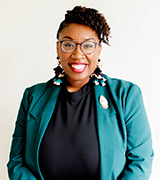
Dare la possibilità alle persone storicamente escluse di assumere un ruolo di primo piano nell'industria dei media significa portare in primo piano il loro talento, così come le loro esperienze vissute. Raccontare le loro storie uniche spesso significa offrire al pubblico l'opportunità di entrare in contatto più profondamente con i personaggi o i titoli che rappresentano il loro stesso percorso, che altrimenti potrebbe non essere visto. Un esempio recente, perfetto, è emerso quando un problema sanitario critico che ha avuto un impatto sulla comunità nera è stato al centro della scena alla fine del 2021 - e non mi riferisco alla COVID-19.
For those that haven’t binged Amazon Prime’s new show Harlem, episode seven, aptly titled “The Strong Black Woman,” hits a little too close to home.
[Spoiler alert: this paragraph contains spoilers from Harlem.] The Harlem crew’s resident boss Tye, portrayed by Jerrie Johnson, is trying to push through crippling abdominal and back pain until finally she ends up having emergency surgery. The diagnosis? A ruptured cyst. And the suggested treatment? A hysterectomy. From the doctor’s hesitancy to prescribe appropriate pain medication to the dismissive approach to a potentially life-altering course of treatment, this episode was tragically a very relatable portrayal of disparities in Black women’s health care.
Nel 2013 mi è stata diagnosticata una patologia altrettanto dolorosa e comune: i fibromi uterini. La mia esperienza personale è stata incentrata su un intervento chirurgico di sei ore per rimuovere più tumori benigni, di diametro variabile da una pallina da golf a un pompelmo. Ricordo il consiglio superficiale di "avere un bambino" prima di sottoporsi all'intervento, noto come miomectomia. Ricordo lo stress e l'ansia prima e dopo l'intervento. E ricordo la farmacia locale che non riempì l'intera prescrizione di antidolorifici dopo l'intervento e l'indignazione del mio medico alla visita post-operatoria, quando seppe che mi ero ripresa a casa con una scorta di soli tre giorni.
While Tye’s case demonstrated the disruptive impact of ovarian cysts, her story was also closely relatable to me—and the 26 million women between the ages of 15 and 50 that develop uterine fibroids, according to the U.S. National Library of Medicine. For Black women in particular, reproductive health conditions and the ongoing obstacles to compassionate, informed and effective treatment that too often accompany them, are a common part of life. How common? Nielsen Scarborough data shows that Black women between the ages of 35 to 49 are nearly six and a half times more likely to have been diagnosed with fibroids.
And the percentage of young Black women impacted by fibroids is staggering—especially considering the emotional toll of the diagnosis along with the physical symptoms. A recent study in the American Journal of Obstetrics & Gynecology found that the stressors related to a fibroids diagnosis can be just as debilitating as a diagnosis of heart disease, diabetes, or even breast cancer. Groups like The White Dress Project have been working for years to raise awareness, advance legislation and provide a support network for those living with fibroids and seeking treatment. But the power of representative storytelling in both scripted television and news content ensures an even greater reach on this topic; one that remains largely silent outside the Black community and Black media.
Nielsen’s recent Being Seen On Screen report revealed that programs with Black women in the writer’s room delivered content that not only centered Black women on screen, but also offered different context in how they were portrayed. On a program like Harlem, that’s created, led and mostly written by Black women, it’s no wonder the impact of this pervasive health crisis and the obstacles many of us face seeking treatment became a centerpiece of a character’s story. But their program wasn’t the only one to boldly confront key issues facing Black reproductive health last year. Tiffany Cross, host of MSNBC’s Cross Connection, revealed she underwent the oft recommended hysterectomy to end her years-long battle with fibroids. It was the first time I’d seen the details of the condition, let alone this course of treatment openly discussed by an anchor on TV.
So little about how these conditions develop—and why they impact Black people at higher rates—remains unknown. But television can play an important role in raising awareness as well as empathy. Importantly, Black women are twice as likely to seek out TV content where they’re seen on screen. This means there’s an opportunity to amplify the need for research, prevention, and less invasive procedures—as well as normalizing consultative and nondiscriminatory care.
Come avrete visto durante il Mese della Storia Nera e l'attenzione alla salute e al benessere, c'è ancora molta strada da fare per affrontare le disuguaglianze nella nostra assistenza sanitaria. Ma la mia speranza è che continuiamo a vedere donne nere che evidenziano le disparità e ispirano il cambiamento, mentre la diversità continua a infiltrarsi nell'industria dei media.