For consumers around the globe, mobile phones have become ubiquitous—providing instant, real-time access to information, social networks, entertainment and connectivity. In Africa, the world’s second-largest mobile market behind Asia, that connectivity has super-charged the mobile money industry, with Sub-Saharan Africa (SSA) now accounting for 43% of the world’s active mobile money accounts.
L'adozione diffusa dei servizi di pagamento mobile (m-payment), che ha subito un'accelerazione durante la pandemia COVID-19, ha spinto molti africani a guardare alle criptovalute come a un passo successivo naturale, lontano dai sistemi bancari convenzionali e in grado di offrire protezione dalla svalutazione della moneta. Quest'anno, infatti, in diversi Paesi africani è aumentato il fermento sociale intorno al termine "cripto", alimentato dall'introduzione di una serie di valute digitali, piattaforme di regolamento e applicazioni blockchain di alto profilo.
SSA has been at the forefront of the mobile money industry for over a decade, largely because a growing network of fintech companies have stepped in to provide digital payment options to consumers who lack access to a formal savings account or credit. According to the Fintech Times, approximately 57% of the country’s population do not have a traditional bank account. Comparatively, the Wall Street Journal reported late last year that SSA alone is now home to nearly half of the world’s 1.04 billion registered mobile money accounts.
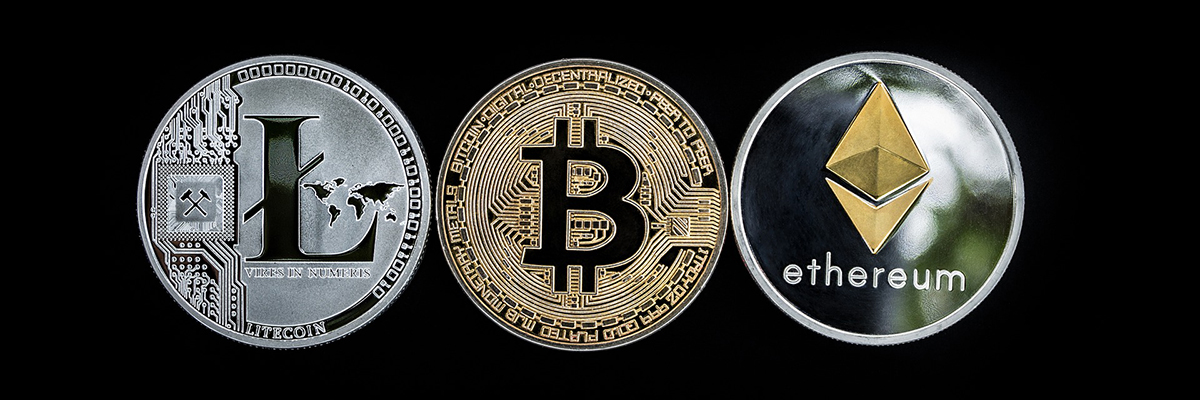
L'elevata adozione di servizi bancari mobili in Africa, unita al fatto che il continente ha la popolazione più giovane al mondo, aumenta l'interesse e la consapevolezza delle criptovalute. E dato che si tratta dei consumatori più giovani del mondo, i pagamenti digitali e le criptovalute rappresentano un'attrattiva molto maggiore rispetto alle offerte bancarie tradizionali. Per questi consumatori mobile-first, i pagamenti e le valute digitali offrono indipendenza e libertà finanziaria e sono ottimisti sulle prospettive future delle criptovalute. Ciò presenta notevoli opportunità per fornitori, piattaforme e servizi nei settori delle telecomunicazioni e dei servizi finanziari.
Adoption of crypto currencies, particularly across emerging economies, has skyrocketed this year, with blockchain data company Chainalysis reporting global adoption growth of more than 2300% between Q3 2019 and Q2 2021. Africa represents the world’s smallest crypto economy (2% of global value), but the prominence of this form of money is accelerating adoption. In fact, Nigeria, Africa’s largest economy, recently became the first nation on the continent to roll out its own digital currency: the eNaira.
But buzz about crypto started well before the introduction of the eNaira. Many consumers across the continent began learning about digital currencies when Senegalese-American singer and entrepreneur Akon announced plans in 2018 to build a blockchain and crypto currency-powered city in Senegal. Consequently, Akon’s “Akoin” currency that he wants to power Akon City, his planned sustainable smart city in Senegal, is among the most popular crypto topics that Nielsen has been tracking across the media landscape.
Despite the buzz about Akon and Akoin, however, Bitcoin is the most discussed crypto currency in Africa, accounting for 63% of conversations about digital currencies, followed by Ethereum (10%) and Doge (7.5%). More importantly, overall consumer sentiment about digital currencies is neutral to positive. While growing and lucrative—even sanctioned by governments—the crypto landscape is fertile for scams, with many attaching themselves to aspects of pop culture, including the recent Squid Game cryptocurrency.
As technology advances infrastructures and sustainable development, fintech will grow to play a particularly important role for emerging economies. Strategy&, PwC’s consulting business, expects cashless transaction volume in Africa to increase 78% through 2025 and then 64% between 2025 and 2030.
Con tante opportunità davanti a sé, le aziende dovranno sviluppare e mantenere relazioni significative con i consumatori, data l'ampia e crescente gamma di opzioni a loro disposizione. Come per qualsiasi attività di marketing, i marchi devono dimostrare il loro valore ai consumatori, lavorare per mantenere la loro fedeltà e tenerli al centro di tutto ciò che fanno.