https://nielsen.wistia.com/medias/ubvsgmawk5?embedType=async&videoFoam=true
Living with a disability is increasingly a part of everyday life. Whether the disability is seen or unseen, more than a quarter of the U.S. population has one, and many of us who aren’t disabled are likely to know someone who is living with one. We know that media has the power to shift the narrative around disability by better reflecting the real lived experience of people with disabilities. So, while film and TV content have made progress in depicting stories of disability, as evident in the surge of programming inclusive of disabilities and related themes over the last 10 years, advertising featuring people with disabilities lags far behind. With a $21 billion market potential, advertisers cannot afford to miss the opportunity to engage with the disabled community and their allies.
La presenza della disabilità nella creatività pubblicitaria
Most of the time, disability is absent from advertising, except when it’s focused on products that treat disabilities. Rarely do ads show disabled people in everyday life, such as working, parenting, household chores or enjoying activities. In a custom analysis of Nielsen Ad Intel data, we looked at nearly 450,000 primetime ads on broadcast and cable TV in February 2021. Of those ads, just 1% included representation of disability-related themes, visuals, or topics.
Considerando questo target di consumatori attivi, l'opportunità mancata di incorporare le persone con disabilità nella messaggistica quotidiana del marchio potrebbe essere costosa. I marchi hanno l'opportunità di incorporare le rappresentazioni e le esperienze di vita con una disabilità nella loro messaggistica e nel design dei loro prodotti, senza concentrarsi su di essa. I settori dei media, del marketing e della pubblicità hanno l'opportunità di contribuire ad abbattere gli stigmi sociali legati alla disabilità rendendo le persone con disabilità più visibili.
Spesa pubblicitaria in annunci per la disabilità
Hollywood ha fatto progressi nella rappresentazione delle disabilità, ma occorre fare molto di più per offrire maggiori opportunità ai talenti disabili. La nostra analisi ha rilevato che a febbraio la spesa pubblicitaria che includeva persone con disabilità e temi legati alla disabilità è stata di quasi 57 milioni di dollari, ma solo il 3% è stato destinato a pubblicità con persone disabili o che includevano temi legati alla disabilità nella creatività.
E i prodotti farmaceutici, i trattamenti sanitari, i dispositivi e simili hanno rappresentato quasi il 50% del totale dei dollari spesi in pubblicità a favore della disabilità. Sebbene le cure e la gestione dell'assistenza siano aspetti importanti della convivenza con una disabilità, è importante che la vita con una disabilità sia vista come qualcosa di più delle semplici prescrizioni mediche. Gli inserzionisti hanno l'opportunità di mostrare le persone con disabilità nella vita di tutti i giorni, impegnandosi con i prodotti e i servizi offerti dai marchi.
Quando le pubblicità sono più inclusive, hanno un impatto su tutti i pubblici, non solo su quelli che vivono con una disabilità. L'inclusività, tuttavia, implica un aumento della rappresentazione nelle pubblicità in tutto lo spettro delle categorie, non solo in quella farmaceutica. Una sovrabbondanza di questo tipo di rappresentazioni può rafforzare gli stereotipi sulle persone con disabilità. Quando i marchi di una gamma più ampia di settori sono più inclusivi delle disabilità nella loro creatività, contribuiscono a bilanciare la narrazione e a normalizzare la vita con una disabilità.
Come fare
Highlighting the impact that living with a disability can have on consumers’ experience with a product reinforces a sense of belonging. It also has the potential to drive dramatic change in people’s daily lives. But to be authentic in targeting, advertisers must have the right team to craft an informed and inclusive message. Christina Mallon, influencer, activist and Global Head of Inclusive Designer and Digital Accessibility at Wunderman Thompson is at the forefront of raising awareness, increasing accessibility and innovating with brands for people living with disabilities. Not only is she an expert in her field, but she’s also clear about how brand messaging and products impact her own life every day as a person with a physical disability.
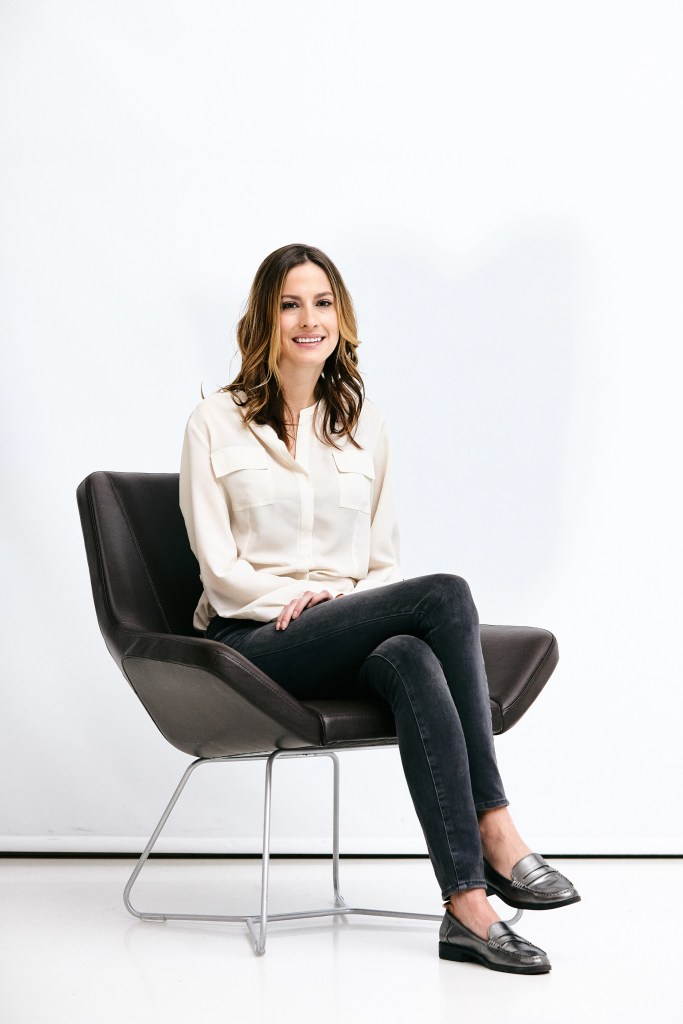
“Many brands are embracing the need to engage and include people with disabilities. But when they include people with disabilities in creative content, we need to be seen for who we are — beyond our disabilities — without ignoring the fact that we have one.”
Christina Mallon, responsabile del design inclusivo e dell'accessibilità, Wunderman Thompson
Christina Mallon leads Inclusive Design at Wunderman Thompson, where she consults with brands on implementing inclusive design practices into their business strategies. She is at the forefront of an important movement toward inclusivity in design and advertising. At the start of Christina’s professional career, her arms slowly became paralyzed. The transition to “disabled” was challenging, but has never slowed her down. As a young digital marketing professional starting her career with a disability, she felt under-represented as a consumer. Rather than being discouraged, she recognized the opportunity to build awareness and make a measurable impact within the industry. This realization inspired her to start an inclusive design practice at Wunderman Thompson. Read more about Christina’s work here e here.
A recent Nielsen survey found that people with a disability are more likely to feel that there is insufficient representation of their identity group on TV. The lack of representation in linear TV and advertising, which reaches more than 80% of the adult U.S. population, may be why disabled social media influencers and creators often carry the weight of rewriting the narrative around the media’s presentation of disability. From educating on inclusive language to the proliferation of captions for video segments across TikTok or Instagram, disability representation and inclusion topics are advancing at the grassroots level while more traditional media catches up. Influencers like TikTok’s @Scarlet_may.1, Instagram’s @Chelsiehill, @blindishlatina, @Christina_disarmed, among others share their personal stories through relatable content. Influencers are stepping in to share product hacks and recommendations of inclusive brands to diverse followers including people with disabilities, their loved ones and allies—all consumers open to spending on brands that take action on causes they care about.
Agire ora
While progress is being made to increase the visibility of disability, there are immediate steps that the advertising industry can take to accelerate it. Engaging with organizations that are leading the charge to improve representation in media, such as RespectAbility and ReelAbilities, can help brands fine tune future strategies, especially as many look ahead to 2022. When it comes to creative development, brands can cast more disabled people and develop more inclusive storylines, while being careful not to slip into “inspiration porn,” which is often used to motivate non-disabled people at the expense of the disabled experience. When planning a campaign, brands must include various formats and accessibility features to accommodate a variety of people living with different disabilities. Brands can also improve representation in their organizations by hiring more people living with disabilities, like many organizations that are part of the Valuable 500.
Vivere con una disabilità è una realtà per milioni di persone e fa parte delle diverse identità che le persone vogliono vedere rappresentate in modo autentico nei contenuti che consumano e che si riflettono nei marchi che acquistano. Che la disabilità sia visibile o meno, la prospettiva unica di una persona con una malattia cronica o un'altra disabilità può arricchire gli sforzi di inclusione di un marchio e l'esperienza dei consumatori con disabilità. Riconoscere le persone con disabilità come parte importante del vostro target di consumatori significa capire come i vostri prodotti o servizi aggiungano valore in modo unico alla loro esperienza.