https://nielsen.wistia.com/medias/ubvsgmawk5?embedType=async&videoFoam=true
Living with a disability is increasingly a part of everyday life. Whether the disability is seen or unseen, more than a quarter of the U.S. population has one, and many of us who aren’t disabled are likely to know someone who is living with one. We know that media has the power to shift the narrative around disability by better reflecting the real lived experience of people with disabilities. So, while film and TV content have made progress in depicting stories of disability, as evident in the surge of programming inclusive of disabilities and related themes over the last 10 years, advertising featuring people with disabilities lags far behind. With a $21 billion market potential, advertisers cannot afford to miss the opportunity to engage with the disabled community and their allies.
Presença da deficiência na criação publicitária
Most of the time, disability is absent from advertising, except when it’s focused on products that treat disabilities. Rarely do ads show disabled people in everyday life, such as working, parenting, household chores or enjoying activities. In a custom analysis of Nielsen Anúncio Intel data, we looked at nearly 450,000 primetime ads on broadcast and cable TV in February 2021. Of those ads, just 1% included representation of disability-related themes, visuals, or topics.
Considerando esse alvo ativo de consumidores, a oportunidade perdida de incorporar pessoas com deficiência nas mensagens cotidianas da marca pode custar caro. As marcas têm a oportunidade de incorporar representações e experiências de vida de pessoas com deficiência em suas mensagens e no design de seus produtos, sem se concentrar nisso. Os setores de mídia, marketing e publicidade têm a oportunidade de ajudar a quebrar os estigmas sociais em torno da deficiência, tornando as pessoas com deficiência mais visíveis.
Gastos com publicidade em anúncios com inclusão de deficientes
Hollywood fez progressos na representação de deficiências, mas muito mais precisa ser feito para oferecer mais oportunidades aos talentos com deficiência. Nossa análise constatou que os gastos com anúncios que incluíam pessoas com deficiência e temas relacionados à deficiência em fevereiro totalizaram quase US$ 57 milhões, mas apenas 3% foram destinados a anúncios com pessoas com deficiência ou que incluíam temas relacionados à deficiência no criativo.
E produtos farmacêuticos, tratamentos de saúde, dispositivos e similares representaram quase 50% do total de dólares gastos em anúncios que incluem deficientes. Embora o tratamento e o gerenciamento de cuidados sejam aspectos importantes da vida com uma deficiência, é importante que a vida com uma deficiência seja vista como algo mais do que apenas receitas médicas. Os anunciantes têm a oportunidade de mostrar pessoas com deficiência na vida cotidiana, interagindo com os produtos e serviços que as marcas oferecem.
Quando os anúncios são mais inclusivos, eles têm um impacto em todos os públicos, não apenas naqueles que vivem com uma deficiência. A inclusão, no entanto, significa um aumento na representação em anúncios em todo o espectro da categoria, não apenas em produtos farmacêuticos. Uma superabundância desses tipos de representações pode reforçar estereótipos de pessoas com deficiências. Quando as marcas de uma gama mais ampla de setores são mais inclusivas em relação às deficiências em seus criativos, elas ajudam a equilibrar a narrativa e a normalizar a vida com deficiência.
Fazendo tudo certo
Highlighting the impact that living with a disability can have on consumers’ experience with a product reinforces a sense of belonging. It also has the potential to drive dramatic change in people’s daily lives. But to be authentic in targeting, advertisers must have the right team to craft an informed and inclusive message. Christina Mallon, influencer, activist and Global Head of Inclusive Designer and Digital Accessibility at Wunderman Thompson is at the forefront of raising awareness, increasing accessibility and innovating with brands for people living with disabilities. Not only is she an expert in her field, but she’s also clear about how brand messaging and products impact her own life every day as a person with a physical disability.
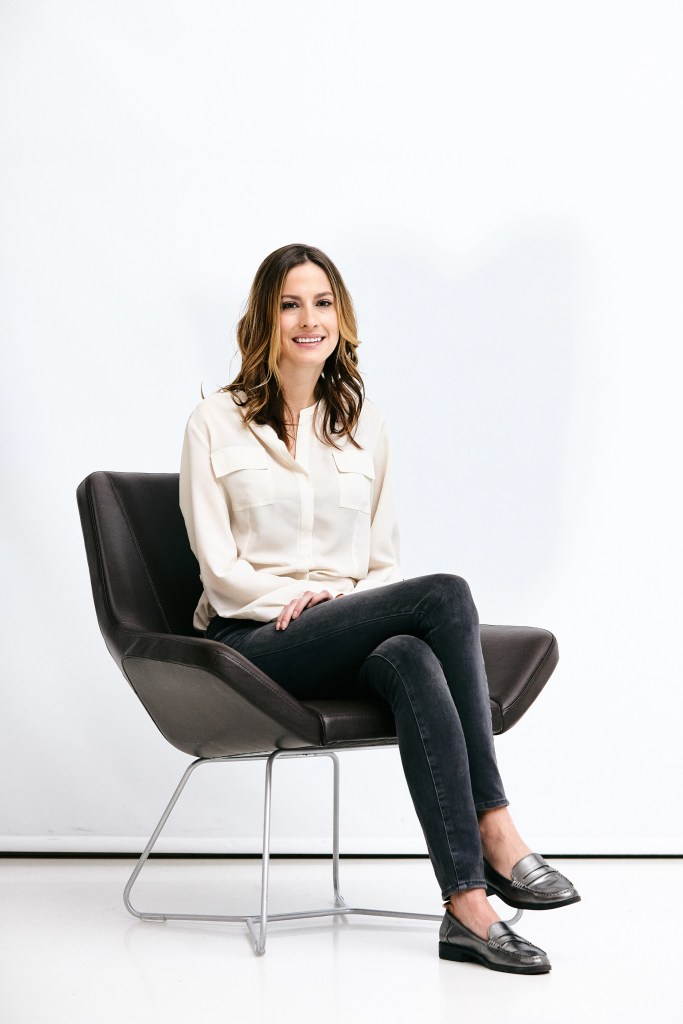
“Many brands are embracing the need to engage and include people with disabilities. But when they include people with disabilities in creative content, we need to be seen for who we are — beyond our disabilities — without ignoring the fact that we have one.”
Christina Mallon, Diretora de Design Inclusivo e Acessibilidade, Wunderman Thompson
Christina Mallon leads Inclusive Design at Wunderman Thompson, where she consults with brands on implementing inclusive design practices into their business strategies. She is at the forefront of an important movement toward inclusivity in design and advertising. At the start of Christina’s professional career, her arms slowly became paralyzed. The transition to “disabled” was challenging, but has never slowed her down. As a young digital marketing professional starting her career with a disability, she felt under-represented as a consumer. Rather than being discouraged, she recognized the opportunity to build awareness and make a measurable impact within the industry. This realization inspired her to start an inclusive design practice at Wunderman Thompson. Read more about Christina’s work here e here.
A recent Nielsen survey found that people with a disability are more likely to feel that there is insufficient representation of their identity group on TV. The lack of representation in linear TV and advertising, which reaches more than 80% of the adult U.S. population, may be why disabled social media influencers and creators often carry the weight of rewriting the narrative around the media’s presentation of disability. From educating on inclusive language to the proliferation of captions for video segments across TikTok or Instagram, disability representation and inclusion topics are advancing at the grassroots level while more traditional media catches up. Influencers like TikTok’s @Scarlet_may.1, Instagram’s @Chelsiehill, @blindishlatina, @Christina_disarmed, among others share their personal stories through relatable content. Influencers are stepping in to share product hacks and recommendations of inclusive brands to diverse followers including people with disabilities, their loved ones and allies—all consumers open to spending on brands that take action on causes they care about.
Atuando agora
While progress is being made to increase the visibility of disability, there are immediate steps that the advertising industry can take to accelerate it. Engaging with organizations that are leading the charge to improve representation in media, such as RespectAbility and ReelAbilities, can help brands fine tune future strategies, especially as many look ahead to 2022. When it comes to creative development, brands can cast more disabled people and develop more inclusive storylines, while being careful not to slip into “inspiration porn,” which is often used to motivate non-disabled people at the expense of the disabled experience. When planning a campaign, brands must include various formats and accessibility features to accommodate a variety of people living with different disabilities. Brands can also improve representation in their organizations by hiring more people living with disabilities, like many organizations that are part of the Valuable 500.
Viver com uma deficiência é a realidade de milhões de pessoas e faz parte das diversas identidades que as pessoas querem ver retratadas com autenticidade no conteúdo que consomem e refletidas nas marcas que compram. Independentemente de a deficiência ser vista ou não, a perspectiva exclusiva de alguém com uma doença crônica ou outra deficiência pode enriquecer os esforços de inclusão de uma marca e a experiência dos consumidores com deficiência. Reconhecer as pessoas com deficiência como uma parte importante de sua base de consumidores-alvo significa entender como seus produtos ou serviços agregam valor de forma exclusiva à experiência delas.