W jaki sposób nadawcy i sponsorzy mogą podsycać tę dynamikę?
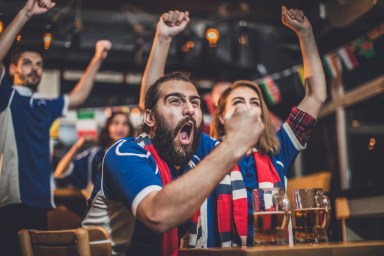
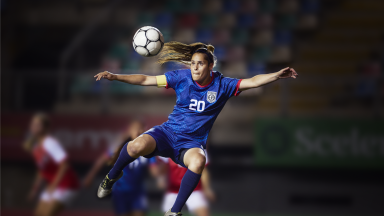
Zainteresowanie sportem kobiet rośnie w zawrotnym tempie.
The 2023 NCAA tournament drew nearly 10 million viewers for the final game between Iowa and LSU—up 103% from the previous year. The WNBA draft audience increased 42% between 2022 and 2023 and was up 89% with female viewers1. Interest in the Women’s Super League increased 81% from 2022 to 20232, and this year, 41% of the global population are excited for the Women’s World Cup, rising from 34% before the 2019 Women’s World Cup3.
Ta ogromna zmiana nie nastąpiła w próżni. Jest ona wynikiem inwestowania przez marki, sponsorów i nadawców w sporty kobiece i nadawania im priorytetowego znaczenia.
Widoczność na zwycięstwo
Consider how the BBC approached women’s football in the past four years. Previously, women’s football fans had to search high and low to watch their favorite teams compete. While a few games were shown on main linear channels, the rest were tucked away in digital space. But then, in 2019, the broadcaster doubled down on the Women’s World Cup, showing nearly triple the number of matches compared with the Women’s Euro 2017 on Channel 4. Three years later, the broadcaster did it again, prioritizing the UEFA Women’s Euro 2022 by airing 26 matches in total4.
Źródło: Brytyjskie Biuro Ocen Widzów
BBC nie tylko nadało większe znaczenie slotom na kanale, ale także promowało relacje z turniejów w 2019 i 2022 roku - wraz z innymi sportami kobiecymi - poprzez zintegrowaną kampanię.
Between 2017 and 2019, U.K. viewership rose from 11.7 million to 68.6 million. In 2022, 57.9 million people watched the UEFA European Women’s Football Championship. This growth was largely led by women ages 35+, but in looking at new male audiences, younger fans are particularly interested in women’s sports, reinforcing the diversity of the growing appeal5.
These major tournaments are drawing bigger and bigger audiences, creating a halo effect of opportunity for the players, the fans and the sponsors. Nearly 80% of the general population are now aware of the 2023 Women’s World Cup and 40% find it appealing—the highest scores for any female competition6.
The takeaway is clear: Prioritizing the access and promotion of women’s sports increases visibility and grows audiences and sponsorship opportunities. To do so, broadcasters and sponsors must internalize these three facts.
1: Fani chcą oglądać kobiece sporty, ale wciąż trudno jest znaleźć relacje.
Kiedy fani sportu zostali zapytani o bariery, które uniemożliwiają im nadążanie za sportem kobiet, wymienili dwa główne czynniki: Brak informacji i brak dostępu.
According to Nielsen Fan Insights, nearly a quarter of the U.S. population (22%)7 said that there isn’t enough information in the media to keep up with women’s sports. This isn’t just perception, it’s reality. According to the Fans Are Changing the Game report, Nielsen analysis found that ESPN SportsCenter provided 91 seconds of coverage for the average WNBA game and 266 seconds of coverage for the average NBA game, despite claimed interest in the two leagues being much closer.
The second barrier cited is lack of access to live broadcasts. Almost a fifth of U.S. fans (18%)8 said live airings of women’s sports aren’t easily accessible to them. Clearly, fans —including young ones—still want to watch sports play out in real time. Per Nielsen Fan Insights9, 36% of global audiences ages 16-29 are interested in watching the 2023 Women’s World Cup live, which is an even higher interest than viewers 50-69 years old (32%). That’s all the more impressive considering that the Women’s World Cup is in Australia and New Zealand this year—not a particularly convenient time zone for much of the world.
Ten problem z zasięgiem stanowi cenną okazję dla treści. Zrozumienie apetytu widzów na sport kobiet może pomóc w określeniu, w jaki sposób programy dystrybutorów treści są zorganizowane, opisane i oznaczone tagami, aby pomóc poprawić i wykorzystać organiczne wyszukiwanie i odkrywanie wśród fanów.
Gdy spełnione są zarówno warunki dostępu, jak i zasięgu, fani dostrajają się.
2: Fani chcą, aby nadawcy i sponsorzy przejęli odpowiedzialność za promowanie sportu kobiet.
Sports fans feel that both the media and brands should be responsible for promoting women’s sports10. There are several ways to do this, but they all require intentional, integrated strategies.
Take the BBC example again. Along with broadcasting more of the women’s football matches live, they promoted the tournaments with a full media blitz of TV trailers, out-of-home advertising and digital content. Before the 2019 tournament, the BBC launched a trailer featuring South London rapper Ms Banks. And before the 2022 women’s EURO tournament, the “We Know Our Place” campaign promoted women’s participation not only in football, but also in Wimbledon, the Commonwealth Games, the European Athletics Championships and The Hundred cricket tournament.
Investing in access to and promotion of the actual games is critical to growing women’s sports fandom, but it shouldn’t stop there. Audiences are hungry for more. Nearly 40% of global sports fans are interested in non-live content related to live sports events. This number jumps to 44% when looking at fans ages 16-2911. For both broadcasters and brands, this underscores a clear opportunity to create, promote and sponsor the women’s sports stories fans want.
And fans do love a company that supports their favorite franchise. According to Nielsen Fan Insights, 71%12 of Women’s World Cup fans believe that companies who sponsor the tournament show their commitment to the advancement of gender equality and women’s sports.
Mówiąc o sponsorach, ten rok jest pierwszym cyklem, w którym prawa do transmisji i sponsoringu Mistrzostw Świata Kobiet zostały sprzedane oddzielnie od męskich na dużą skalę. Oddzielenie praw do kobiecych mistrzostw świata jest dobrodziejstwem dla marek. Oddzielenie umów sponsorskich pozwala reklamodawcom lepiej ukierunkować wydatki na reklamę, a następnie zwiększyć segmentację odbiorców.
W czerwcu 2023 roku FIFA osiągnęła porozumienie w sprawie transmisji z pięcioma głównymi europejskimi nadawcami, zapewniając, że mecze będą dostępne w sieciach niekodowanych. Fani będą mieli do nich szeroki dostęp, ale biorąc pod uwagę opóźnienie w negocjacjach, będzie to niewątpliwie wyzwanie dla promocji i możliwości sponsorowania transmisji w regionie, ponieważ na miesiąc przed turniejem trzeba będzie nadrobić zaległości.
3: Fani nagradzają marki, które inwestują w sport.
Given the emotional connection that fans have with their teams, it’s no wonder that they think highly of their sponsors. After seeing WNBA sponsorships during a game, 44% of WNBA fans claim to have visited the brand’s website and 28% claim to have bought something from the brand—compared to 36% and 24% of NBA fans surveyed for the same sponsorship responses13. And 69% of Women’s World Cup fans believe brands are more appealing when they participate in sports sponsorships—that’s 15 points higher than the general population—and those feelings tend to translate into concrete actions14.
Fifty-six percent of football fans are likely to inform themselves about brands that sponsor sports events (17 points higher than the general population) and 59% would pick a sponsor’s product over a rival’s if prices and quality were the same (14 points higher)15.
When brands and broadcasters are all unified behind women’s athletics, it creates a powerful, positive cycle. When ESPN expanded its coverage of the NCAA Women’s Basketball Tournament in 2021, the audience reach of the first round doubled when compared to 2019. That meant more eyes on the athletes and their sponsors, further solidifying the business case for promoting and supporting the tournament.
Przed Mistrzostwami Świata w Piłce Nożnej Kobiet 2023, wnioski są liczne. Fani, zwłaszcza ci młodsi, chcą śledzić sport kobiet, ale potrzebują więcej informacji o zawodniczkach, ligach i sezonach oraz łatwiejszego dostępu do samych rozgrywek, zwłaszcza transmisji na żywo.
Aby zaspokoić ten popyt, nadawcy muszą nadać priorytet sportom kobiecym, uczynić je bardziej dostępnymi i promować je z entuzjazmem. W międzyczasie sponsorzy powinni dostrzec możliwości biznesowe, jakie dają sporty kobiece, zwłaszcza wzrost intencji zakupowych.
Gdy marki, sponsorzy i nadawcy chcą wygrać, widzowie są gotowi to wynagrodzić.
Źródła
1Nielsen National TV Panel, Live+Same Day, 4/11/2022, 4/10/2023, Persons/Men/Women 2+
22023, Nielsen Fan Insights, UK
3Nielsen Brand Tracker, FIFA Women’s World Cup, April 2019 – Jan 2023
4British Audience Ratings Bureau
5British Audience Ratings Bureau
6Nielsen Brand Tracker – FIFA Women’s World Cup, Jan 2023
7Nielsen Fan Insights, March 2023, U.S.
8Nielsen Fan Insights, March 2023, U.S.
9Nielsen Fan Insights, January 2023, Australia, Brazil, China, France, Germany, India, Italy, Japan, South Korea, Spain, U.K. and U.S.
10Nielsen Fan Insights, January 2023, Australia, Brazil, China, France, Germany, India, Italy, Japan, South Korea, Spain, U.K. and U.S.
11Nielsen Fan insights, August 2021: Australia, Brazil, Canada, China, France, Germany, India, Indonesia, Italy, Japan, Nigeria, Russia, South Korea, Spain, Thailand, U.K. and U.S.
12Nielsen Fan Insights, January 2023, Australia, Brazil, China, France, Germany, India, Italy, Japan, South Korea, Spain, U.K. and U.S.
13Nielsen Fan Insights, US 14Nielsen Fan Insights, January 2023, Australia, Brazil, China, France, Germany, India, Italy, Japan, South Korea, Spain, U.K. and U.S.
14 Nielsen Fan Insights, January 2023, Australia, Brazil, China, France, Germany, India, Italy, Japan, South Korea, Spain, U.K. and U.S.
15 Nielsen Fan Insights, February 2022: Australia, Brazil, China, France, Germany, India, Italy, Japan, South Korea, Spain, U.K. and U.S.