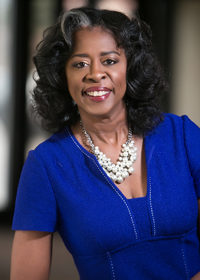
So often, diversity and inclusion (D&I) is viewed through the lens of what we see, with an emphasis on the dictionary meaning of diversity. The word inclusion is somehow missed or draws less attention. As we work to infuse D&I into Nielsen’s DNA, it is the inclusion of diverse ideas, experiences, backgrounds and cultural nuances that manifests the cultural change we are seeking. When we are inclusive of new, different, creative and innovative thoughts, the results are often incremental—staggering even. This is why diversity and inclusion is a global business imperative.
Wraz ze zmianami na świecie, zmianami demograficznymi i przenikaniem się kultur, zmieniają się również produkty i usługi, które przemawiają do konsumentów. Oznacza to, że zrozumienie tych zmian nigdy nie było tak ważne jak dziś. Ale w jaki sposób firma z siedzibą w USA powinna zrozumieć zmieniającego się konsumenta poza Stanami Zjednoczonymi? Słuchając i ucząc się - dokładnie w ten sposób Nielsen opracowuje globalną strategię dostosowaną do potrzeb każdego lokalnego kraju. Zdecydowanie przyjęliśmy podejście bez granic.
Putting “Inclusion” Back in D&I
Aby wdrożyć tę strategię we wszystkich krajach, w których prowadzimy działalność, zaczynamy od ram, aby dowiedzieć się, gdzie każdy region lub kraj znajduje się na swojej indywidualnej drodze do różnorodności. Następnie pracujemy lokalnie, aby aktywować praktyki integracji i wspierać inicjatywy, które wspierają kulturę integracji.
The framework assesses where the region is on a journey beginning with awareness, discovery, understanding, integration and ultimately the realization of goals set along the way. Świadomość may include understanding the legal implications for people with disabilities or the human rights concerns in a specific region; while discovery is a method we use to ensure “Managing an Inclusive Work Environment” training is delivered to all people managers by a local trainer who understands cultural distinctions. We are also in the process of investing in Unconscious Bias training around the globe.
There are different levels of understanding, as demonstrated by the number of active employee resource group (ERG) chapters in our global organization. Seventy percent of the more than 100 countries where Nielsen operates have at least one ERG. These voluntary organizations assist with recruitment, retention, professional development, community outreach, engagement and education.
A truly rewarding example of the value of D&I is when the integration of these practices has a direct impact on the performance of the overall business. Across Nielsen, we work to integrate our data and the insights of our diverse employees to help clients strategize and innovate—whether by engaging with clients to share insights on diverse consumers’ shopping behaviors, making marketing materials more culturally relevant or creating a new, profitable product tailored to a demographic. We know that innovation is core to meeting the needs of the increasingly diverse global population. At the point where consumers, community and superior results for our clients intersect, our global teams realize the importance of their D&I journey. A diverse team of employees who intimately understand and appreciate these populations and who feel their ideas will be heard is ‘the secret sauce’ needed to develop the products, services and marketing campaigns that will appeal to diverse consumers.
Na całym świecie nie wystarczy, aby zróżnicowani pracownicy mieli miejsce przy stole; należy ich zachęcać do zabrania głosu przy stole. Na menedżerach spoczywa obowiązek zachęcania pracowników do zabierania głosu, a następnie słuchania tych głosów i pomysłów - nie tylko w celu tworzenia nowych koncepcji, ale także w celu pomocy Nielsenowi i klientom, którym służymy, w uniknięciu kosztownych pomyłek.
The Business Case for D&I
Dlaczego więc zróżnicowane zespoły są bardziej innowacyjne? Dlaczego są mądrzejsze? Dlaczego osiągają lepsze wyniki? Przeprowadzone w 2015 roku przez firmę McKinsey badanie 366 spółek notowanych na giełdzie w Wielkiej Brytanii, Kanadzie, Ameryce Łacińskiej i Stanach Zjednoczonych wykazało, że spółki znajdujące się w górnym kwartylu pod względem różnorodności płci miały zwroty finansowe o 15% wyższe od mediany branżowej. Okazało się również, że spółki znajdujące się w górnym kwartylu pod względem różnorodności rasowej/etnicznej miały o 35% większe szanse na uzyskanie zwrotów powyżej mediany branżowej. Według badania, odwrotna sytuacja również okazała się prawdą - firmy znajdujące się w dolnym kwartylu zarówno pod względem różnorodności płci, jak i rasowej/etnicznej miały mniejsze szanse na osiągnięcie ponadprzeciętnych wyników.
The findings of the study were the focus of a Harvard Business Review (HBR) report, “Why Diverse Teams are Smarter,” by David Rock and Heidi Grant. The report revealed that people with diverse backgrounds alter the behavior of a group by uncovering more facts and making fewer errors. The belief is that “diverse teams are more likely to constantly reexamine facts and remain objective.” Additionally, there is a belief that diverse teams process information more carefully and consider the perspective of an ‘outsider’ when making decisions.
Regarding innovation, in two other studies mentioned in the HBR report, from Spain and the U.K., companies with more women and businesses run by culturally diverse leadership teams are more likely to introduce new innovations than those with homogenous leadership teams. The report also notes that “creating a more diverse workplace will help to keep your team members’ biases in check and make them question their assumptions. At the same time, we need to make sure the organization has inclusive practices so that everyone feels they can be heard.”
As a measurement company, we felt a responsibility to ensure our clients understood—and were empowered to act on—the business imperative of D&I. So in 2016, we created and launched a Global Inclusion Council to bring together 25 leaders from around the globe to set targeted performance goals and business strategies regarding: pay equity, recruitment, promotional/lateral movement, engagement, onboarding, international assignments, etc. The cumulative goal is to cultivate an inclusive work environment that leverages our world-class data and stellar employees as a competitive advantage in support of our clients’ needs. The Council meets at least twice a year to brainstorm, strategize, review progress and set stretch goals. As a result of our first meeting, global market ambassadors are being selected to work with the D&I team to activate and accelerate the unique diversity journeys in each global market. Nielsen Global Inclusion Council members will serve two-year terms and will set targets for representation and movement.
Viewing D&I as borderless allows us to learn from each other, unlike the all too popular practice of simply exporting U.S. ideas and concepts abroad. We live the borderless D&I philosophy at Nielsen, and we’re excited that our eighth ERG was launched outside the U.S. Greater China created the N-GEN (Nielsen Generation) ERG, which seeks to bring together all generations—from Millennials to the Greater Generation—in order to exchange ideas, experiences and expertise while brainstorming ways to engage local employees to provide innovative solutions for both Nielsen and our clients. Since its launch, N-GEN chapters are growing in the U.S. and Europe, and already we’re learning so much about how to optimize the productivity of our increasingly multigenerational workforce.
Dzisiejszy globalny rynek jest zupełnie inny niż wczoraj. Każdy z nas musi pokonywać przeszkody, szybciej wprowadzać innowacje i robić to przy jak najmniejszej ilości odpadów. Wykorzystanie różnic i podobieństw pozwala nam docenić wszystkie pomysły i perspektywy. Aby konkurować, musimy myśleć inaczej i przyjmować alternatywne podejścia. Różnorodność myśli i uwzględnianie globalnych perspektyw to prawdziwa nauka stojąca za tym, co będzie dalej.
