Nielsen recently made a splash at NYC Television Week, the premier conference highlighting progress, challenges and innovations in the U.S. TV industry. Today’s audiences have more video content to consume than ever before, and while they’re finding time to watch a lot of it, there are signs that people are finding the seemingly endless options somewhat overwhelming.
이번 주 내내 업계 리더들은 광고와 프로그램을 개인화하여 시청자의 신뢰와 관심을 얻을 수 있는 방법을 공유했습니다. 신뢰할 수 있고 대표성 있는 데이터는 모든 시청자의 고유한 니즈를 파악하는 데 핵심이 될 것이며, Facebook은 TV 업계가 신뢰할 수 있는 진실된 데이터로 거듭나기 위해 측정 방식을 발전시키고 있습니다.
Media options and overall time spent by consumers on devices have both continued to grow, posing great opportunity across media. “Every player in this space—from publishers to broadcasters to device manufacturers—needs to enrich, understand and respect the consumer experience,” Karthik Rao, Chief Product & Technology Officer, Nielsen Global Media, remarked as he spoke to a crowd of industry leaders about how to best monetize the time consumers’ spend on different forms of media.
Keeping consumers’ needs top of mind will be essential to fostering trust and earning audience’s time—and this is true even when it comes to advertising. Over the past few years, advanced advertising has become one of the largest areas of growth for the television industry thanks to the personalization it offers by sending messaging to only the audience advertisers want to reach. Not surprisingly, it was at the forefront of many of the week’s conversations.
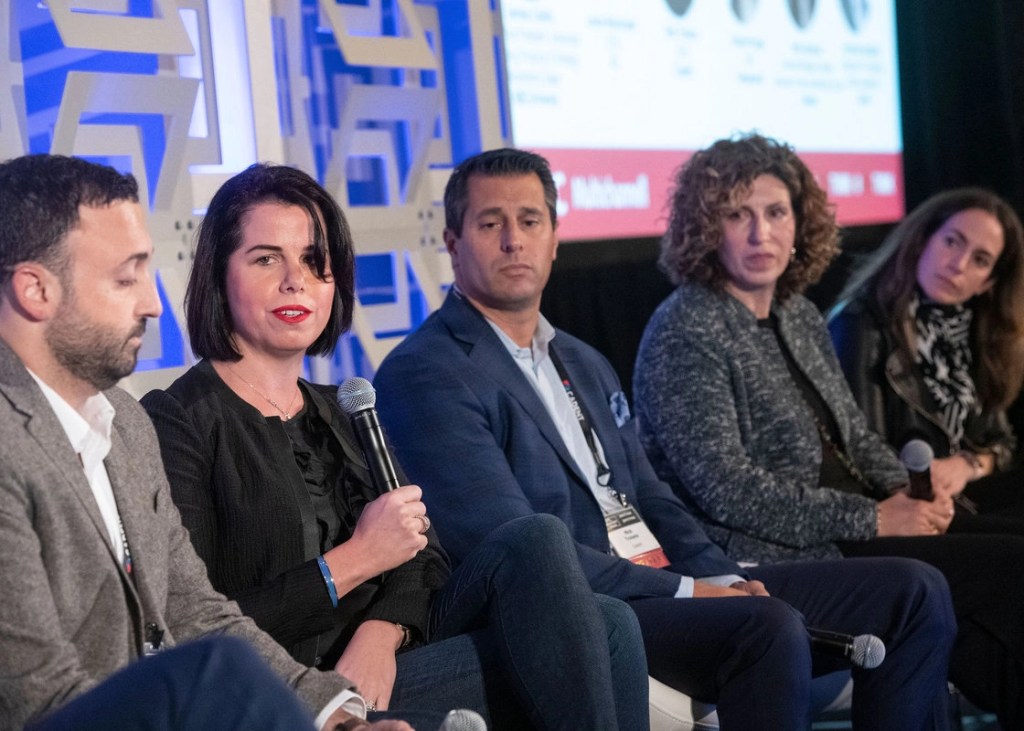
With the allure of more targeted spending, more clients have shown interest and budgets have doubled and even tripled for some platforms. While progress is being made, this form of targeting is still in the early stages. To accelerate the process, collaboration will be key—and will depend on players in the space to building trust not only with audiences but among clients and industry partners. During the “Progress Report” panel featured in the Advanced Advertising track, Kelly Abcarian, General Manager of Advanced Video Advertising, Nielsen Global Media, commented that “true collaboration in a way that eliminates friction and drives efficiency will drive the industry forward.”
Building more personalized content offerings like those created by advanced advertising will be increasingly important—which the streaming industry is already showcasing. More media choices have increased media consumption, but when it comes to streaming services, consumers are increasingly interested in aggregating paid subscriptions into a single face. As streaming services continue to fragment, consumers are becoming disenchanted and are finding it difficult to manage their video subscriptions. Nielsen’s Peter Katsingris, SVP, Audience Insights, Nielsen Global Media, advised attendees at the event to “use niche content to cater to the many consumers out there-if you use data to understand your audience, you can’t go wrong.”
계속 세분화되는 업계에서는 신뢰할 수 있는 측정이 필요합니다. 업계가 성장하고 변화함에 따라, 닐슨은 하나의 미디어 진실을 제공하기 위해 지속적으로 방법론을 발전시켜 왔습니다. 보다 개인화된 메시지와 프로그램으로 텔레비전의 미래를 주도하기 위해 텔레비전 업계는 모든 소비자를 진정으로 대표하는 데이터가 필요합니다.
닐슨 글로벌 미디어의 클라이언트 서비스 부문 수석 부사장인 폴 르포트(Paul Lefort)는 "닐슨은 감사를 받고 공인된 패널의 완전하고 연결된 대표성 있는 측정치와 빅데이터의 이점 및 규모를 결합하는 것이 근본적으로 파편화된 세상에서 동영상 시청을 측정하는 최고의 방법 중 하나라고 믿습니다."라고 설명했습니다.
Relying simply on big data is no longer enough in today’s multicultural population—by 2044, U.S. Census estimates project that more than 50% of the U.S. population will be black, Hispanic and Asian-American. “If we don’t take great care in ensuring that the measurement is inclusive, you will be leaving audiences out,” Kelly emphasized.
"패널에서 다양성과 포용성의 역할은 매우 중요합니다. 이는 단순한 제품이나 데이터 문제가 아니라 회사 전체에 영향을 미치고 개선할 수 있는 훨씬 더 광범위한 문제입니다."라고 Karthik은 말합니다.
Pictured above: Kelly Abcarian speaks on the “Progress Report” panel.