https://nielsen.wistia.com/medias/ubvsgmawk5?embedType=async&videoFoam=true
Living with a disability is increasingly a part of everyday life. Whether the disability is seen or unseen, more than a quarter of the U.S. population has one, and many of us who aren’t disabled are likely to know someone who is living with one. We know that media has the power to shift the narrative around disability by better reflecting the real lived experience of people with disabilities. So, while film and TV content have made progress in depicting stories of disability, as evident in the surge of programming inclusive of disabilities and related themes over the last 10 years, advertising featuring people with disabilities lags far behind. With a $21 billion market potential, advertisers cannot afford to miss the opportunity to engage with the disabled community and their allies.
Präsenz von Behinderten in der Werbung
Most of the time, disability is absent from advertising, except when it’s focused on products that treat disabilities. Rarely do ads show disabled people in everyday life, such as working, parenting, household chores or enjoying activities. In a custom analysis of Nielsen Ad Intel data, we looked at nearly 450,000 primetime ads on broadcast and cable TV in February 2021. Of those ads, just 1% included representation of disability-related themes, visuals, or topics.
In Anbetracht dieser aktiven Verbraucherzielgruppe könnte die verpasste Gelegenheit, Menschen mit Behinderungen in die alltägliche Markenkommunikation einzubeziehen, teuer zu stehen kommen. Marken haben die Möglichkeit, Darstellungen und Erfahrungen des Lebens mit einer Behinderung in ihre Botschaften und Produktdesigns einzubeziehen, ohne sie in den Mittelpunkt zu stellen. Die Medien-, Marketing- und Werbebranche hat die Möglichkeit, dazu beizutragen, soziale Stigmata im Zusammenhang mit Behinderungen abzubauen, indem Menschen mit Behinderungen sichtbarer gemacht werden.
Werbeausgaben für behindertengerechte Werbung
Hollywood hat Fortschritte bei der Darstellung von Behinderungen gemacht, aber es muss noch viel mehr getan werden, um behinderten Talenten mehr Chancen zu bieten. Unsere Analyse ergab, dass sich die Werbeausgaben für Menschen mit Behinderungen und behindertenbezogene Themen im Februar auf insgesamt fast 57 Mio. USD beliefen, aber nur 3 % der Ausgaben entfielen auf Werbespots, in denen Menschen mit Behinderungen vorkamen oder in denen behindertenbezogene Themen in der Gestaltung berücksichtigt wurden.
Und auf Arzneimittel, Gesundheitsbehandlungen, Geräte und Ähnliches entfielen fast 50 % der gesamten Ausgaben für behindertengerechte Werbung. Obwohl Behandlung und Pflege wichtige Aspekte des Lebens mit einer Behinderung sind, ist es wichtig, dass das Leben mit einer Behinderung als mehr als nur Rezepte gesehen wird. Werbetreibende haben die Möglichkeit, Menschen mit Behinderungen im Alltag zu zeigen, die sich mit den von Marken angebotenen Produkten und Dienstleistungen auseinandersetzen.
Wenn Werbung inklusiver ist, wirkt sie sich auf alle Zielgruppen aus, nicht nur auf diejenigen, die mit einer Behinderung leben. Inklusion bedeutet jedoch, dass die Darstellung von Menschen mit Behinderungen im gesamten Anzeigenspektrum zunimmt, nicht nur im Bereich Pharmazeutika. Ein Übermaß an dieser Art von Darstellungen kann Stereotypen über Menschen mit Behinderungen verstärken. Wenn Marken aus einem breiteren Spektrum von Branchen Behinderungen in ihrer Werbung stärker einbeziehen, tragen sie zu einem ausgewogenen Bild bei und normalisieren das Leben mit einer Behinderung.
Das Richtige tun
Highlighting the impact that living with a disability can have on consumers’ experience with a product reinforces a sense of belonging. It also has the potential to drive dramatic change in people’s daily lives. But to be authentic in targeting, advertisers must have the right team to craft an informed and inclusive message. Christina Mallon, influencer, activist and Global Head of Inclusive Designer and Digital Accessibility at Wunderman Thompson is at the forefront of raising awareness, increasing accessibility and innovating with brands for people living with disabilities. Not only is she an expert in her field, but she’s also clear about how brand messaging and products impact her own life every day as a person with a physical disability.
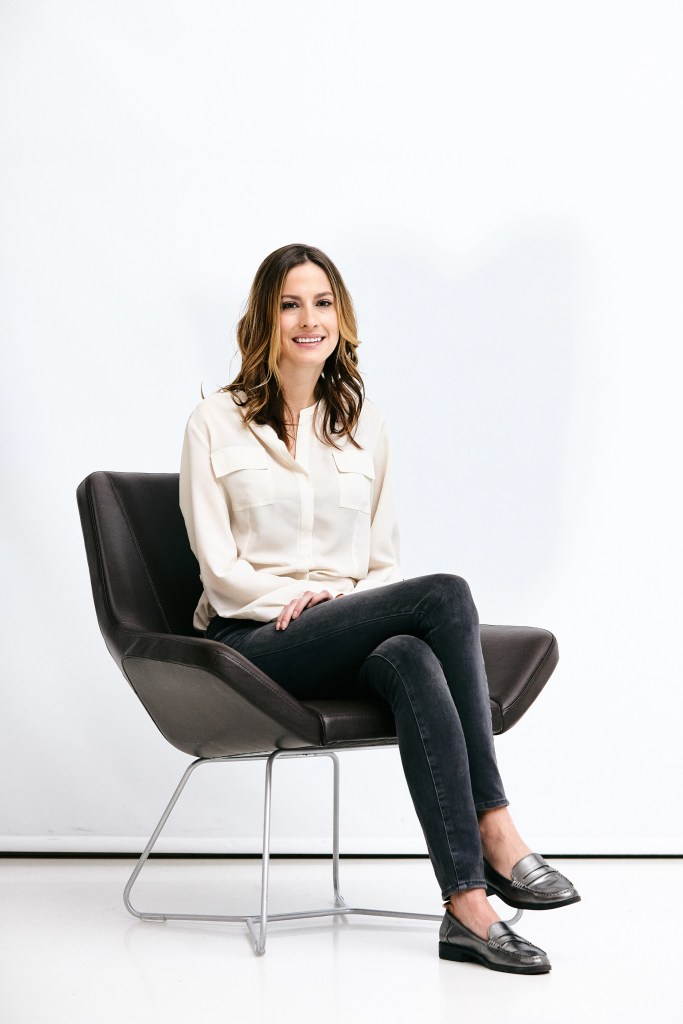
“Many brands are embracing the need to engage and include people with disabilities. But when they include people with disabilities in creative content, we need to be seen for who we are — beyond our disabilities — without ignoring the fact that we have one.”
Christina Mallon, Leiterin für inklusives Design und Barrierefreiheit, Wunderman Thompson
Christina Mallon leads Inclusive Design at Wunderman Thompson, where she consults with brands on implementing inclusive design practices into their business strategies. She is at the forefront of an important movement toward inclusivity in design and advertising. At the start of Christina’s professional career, her arms slowly became paralyzed. The transition to “disabled” was challenging, but has never slowed her down. As a young digital marketing professional starting her career with a disability, she felt under-represented as a consumer. Rather than being discouraged, she recognized the opportunity to build awareness and make a measurable impact within the industry. This realization inspired her to start an inclusive design practice at Wunderman Thompson. Read more about Christina’s work here und here.
A recent Nielsen survey found that people with a disability are more likely to feel that there is insufficient representation of their identity group on TV. The lack of representation in linear TV and advertising, which reaches more than 80% of the adult U.S. population, may be why disabled social media influencers and creators often carry the weight of rewriting the narrative around the media’s presentation of disability. From educating on inclusive language to the proliferation of captions for video segments across TikTok or Instagram, disability representation and inclusion topics are advancing at the grassroots level while more traditional media catches up. Influencers like TikTok’s @Scarlet_may.1, Instagram’s @Chelsiehill, @blindishlatina, @Christina_disarmed, among others share their personal stories through relatable content. Influencers are stepping in to share product hacks and recommendations of inclusive brands to diverse followers including people with disabilities, their loved ones and allies—all consumers open to spending on brands that take action on causes they care about.
Jetzt agieren
While progress is being made to increase the visibility of disability, there are immediate steps that the advertising industry can take to accelerate it. Engaging with organizations that are leading the charge to improve representation in media, such as RespectAbility and ReelAbilities, can help brands fine tune future strategies, especially as many look ahead to 2022. When it comes to creative development, brands can cast more disabled people and develop more inclusive storylines, while being careful not to slip into “inspiration porn,” which is often used to motivate non-disabled people at the expense of the disabled experience. When planning a campaign, brands must include various formats and accessibility features to accommodate a variety of people living with different disabilities. Brands can also improve representation in their organizations by hiring more people living with disabilities, like many organizations that are part of the Valuable 500.
Das Leben mit einer Behinderung ist für Millionen von Menschen Realität und Teil der vielfältigen Identitäten, die sie in den Inhalten, die sie konsumieren, und in den Marken, die sie kaufen, authentisch dargestellt sehen möchten. Unabhängig davon, ob eine Behinderung sichtbar oder unsichtbar ist, kann die einzigartige Perspektive einer Person mit einer chronischen Krankheit oder einer anderen Behinderung die Inklusionsbemühungen einer Marke und die Erfahrungen der Verbraucher mit einer Behinderung bereichern. Wenn Sie Menschen mit Behinderungen als einen wichtigen Teil Ihrer Zielgruppe anerkennen, müssen Sie verstehen, wie Ihre Produkte oder Dienstleistungen einen einzigartigen Mehrwert für sie darstellen.